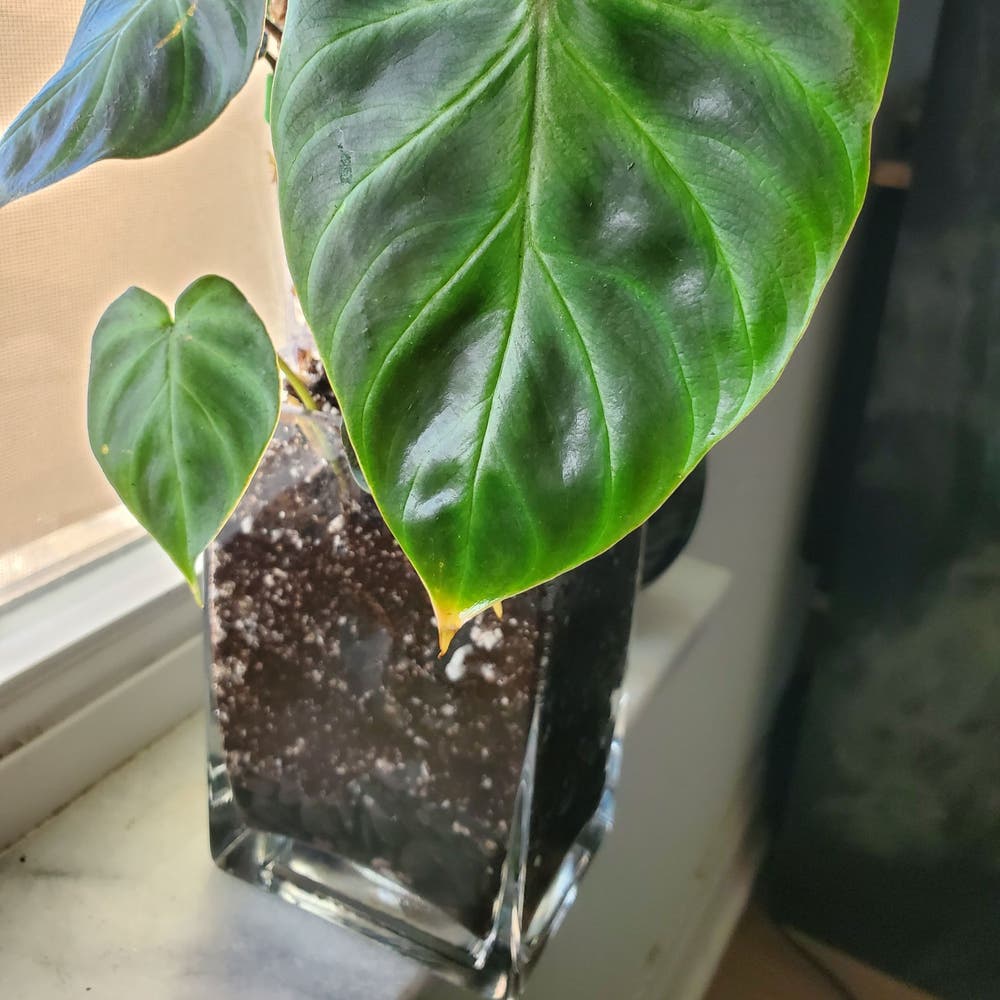
How Do I Cure Ecuador Philodendron Root Rot?
Philodendron verrucosum
By the Greg Editorial Team
Jun 18, 2024•4 min read
This article was created with the help of AI so we can cover more plants for you. May contain errors. See one? Report it here.
- Yellow leaves and mushy roots signal root rot in Ecuador Philodendron.
- Repot with well-draining soil and pot; trim rotten roots carefully.
- Monitor and adjust watering using tools like moisture meters.
Spotting the Trouble: Symptoms of Root Rot in Your Ecuador Philodendron
🚨 Visual Red Flags
Yellowing leaves are the plant's SOS signal; they're the first hint that your Ecuador Philodendron might be in trouble. If you spot browning stems or an increase in leaf drop, take note—these are not just quirky plant behaviors.
🕵️ Below the Surface
To really get to the root of the problem, you'll need to play detective. Healthy roots are firm and light-colored, while rotting ones are dark, mushy, and frankly, they stink. It's a dirty job, but someone's got to do it—get in there and inspect the roots for these telltale signs.
🌧️ Environmental Clues
Don't just blame overwatering for soggy soil; poor drainage can be the real culprit behind root rot. If your pot's more of a swamp than a home, it's time for a drainage intervention. Keep an eye out for these environmental red flags—they're critical in diagnosing and preventing root rot.

First Aid for Root Rot: Immediate Steps to Save Your Plant
✂️ Snip and Trim
Root rot is like a bad haircut; it's got to go. Trim the mushy, brown roots with sterilized scissors—you're on a rescue mission, not a gardening show.
🌱 Fresh Start
Repotting is your plant's ticket to a new life. Grab a pot that boasts more holes than a detective's alibi and fill it with soil that drains faster than a sink in a spy movie.
💧 Post-Op Care
After surgery, your plant's not ready for a marathon. Water sparingly, as if each drop is a step on a tightrope. Balance is key—too much, and you're back to square one.

Keeping It Dry: Watering Practices to Prevent Root Rot
💧 The Goldilocks Zone
Finding the right watering schedule for your Ecuador Philodendron is crucial. It's like hitting the sweet spot in a game of pinball—aim for just enough action without tilting the machine. During the winter months, your plant's thirst dwindles, so cut back on the water. In the summer, it's party time for your green buddy, so offer a bit more to drink. Remember, the top inch of soil should feel like yesterday's coffee filter—damp but not dripping—before you reach for the watering can again.
🛠 Tools of the Trade
Invest in a moisture meter; it's the tech-savvy plant lover's wand for measuring soil wetness. Think of it as a Fitbit for your plant, keeping track of hydration levels so you don't have to guess. If you're more old-school, the finger test still holds up—dive two knuckles deep into the soil. If it's dry, it's time to water; if not, give it a break. And always, always ensure your pot has enough drainage holes. They're like escape hatches for excess water, keeping your plant's feet from getting too soggy.

Building Defenses: Long-Term Strategies to Keep Root Rot at Bay
🌱 Pot and Soil Wisdom
Pot choice and soil composition aren't just details; they're the bedrock of plant health. For your Ecuador Philodendron, think of the pot as its home and the soil as its diet. Choose a pot with ample drainage holes to prevent water from pooling. As for the soil, aim for a mix that's like a good party host—welcoming but not clingy. Incorporate perlite or sand to ensure it's well-draining and aerated.
💨 The Air Down There
Roots need to breathe, too. Prevent soil compaction by gently fluffing the topsoil periodically and mixing in organic matter when necessary. This keeps the root environment airy and discourages the soggy conditions that root rot fungi love. Think of it as giving your plant's roots room to dance.
👀 Vigilant Monitoring
Make regular root check-ups a part of your routine. It's like a dental visit for your plant—catching problems early can save a lot of pain down the road. If the soil feels more like a wet sponge than a moist crumble, it's time to reassess your watering habits. And remember, sterilize your tools after any surgery to prevent spreading any potential infection. Stay alert, and your Ecuador Philodendron will thank you with vibrant growth.
⚠️ Safety First
This content is for general information and may contain errors, omissions, or outdated details. It is not medical, veterinary advice, or an endorsement of therapeutic claims.
Always consult a qualified healthcare professional before using any plant as food, medicine, or supplement.
Never eat any plant (or feed one to pets) without confirming its identity with at least two trusted sources.
If you suspect poisoning, call Poison Control (800) 222-1222, the Pet Poison Helpline (800) 213-6680, or your local emergency service immediately.
Spotted an error? Please report it here.
Ensure your Ecuador Philodendron overcomes root rot by monitoring moisture 🌱 with Greg's personalized watering reminders based on your plant's recovery needs.