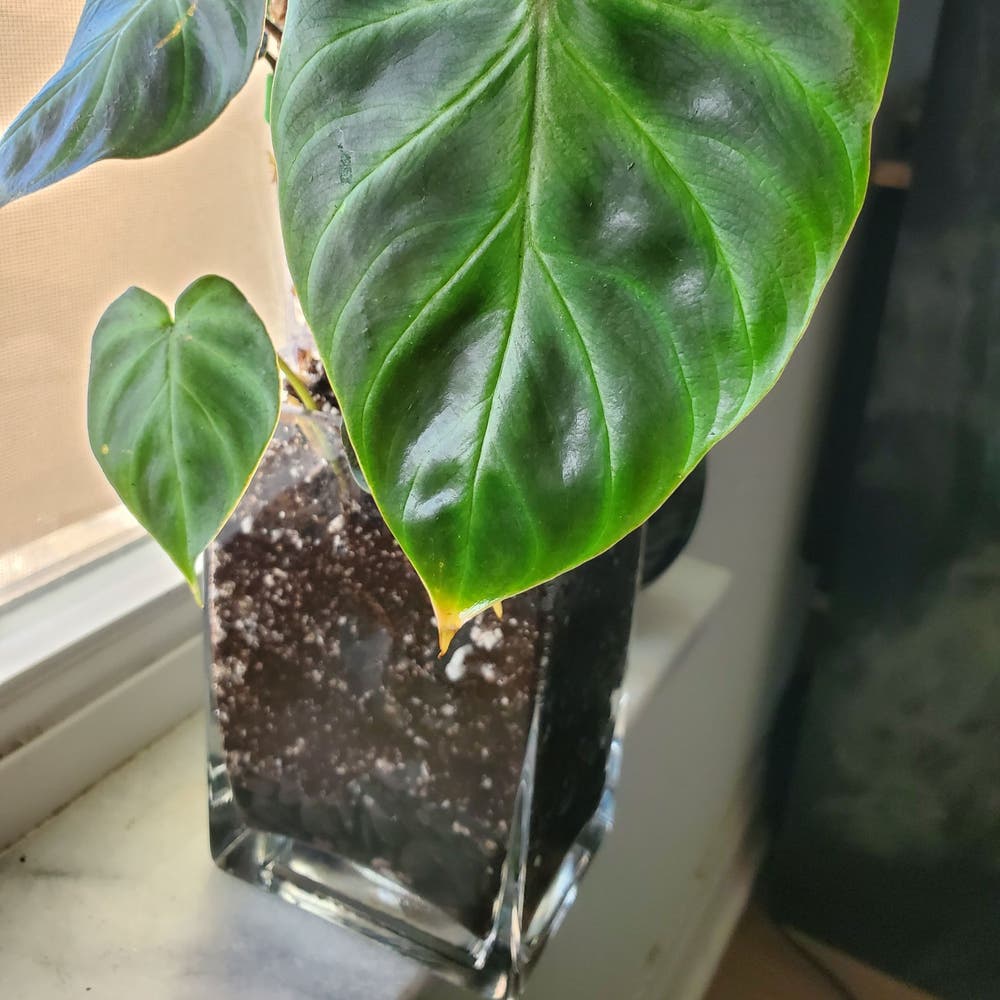
Propagating Ecuador Philodendron: Step-by-Step Guide
Philodendron verrucosum
By the Greg Editorial Team
Jun 18, 2024•4 min read
This article was created with the help of AI so we can cover more plants for you. May contain errors. See one? Report it here.
- Choose healthy stems and use sharp tools for clean cuts below nodes.
- Water vs. soil rooting: Each has unique benefits for stem cuttings.
- Monitor moisture, light, and humidity to ensure successful propagation.
Snip & Dip: Prepping Your Stem Cuttings
🌱 Choosing Your Champion Stem
Selecting the right stem is pivotal. Look for a stem that's healthy, free of disease, and semi-hardwood. Ideally, it should be about 4-6 inches long, with several leaf nodes.
✂️ The Cut: Making the Snip
Sharp tools are non-negotiable. Use sterilized pruners or scissors to make a clean, angled cut just below a node. This angle increases the surface area for rooting and helps the stem absorb moisture.
💧 Rooting Rendezvous: Water vs. Soil
Decide between water or soil rooting. Water is straightforward and allows you to observe root growth, while soil can lead to stronger root systems and less transplant shock.
🌿 Setting the Stage
Create a nurturing environment. Ensure the cutting's base is free of leaves to avoid rot, and consider using rooting hormone to encourage growth. Maintain consistent moisture and warmth, and wait for nature to do its thing.

High Up in the Air: Mastering Air Layering
🎯 Selecting the Perfect Spot
To kick off air layering, choose a healthy section of your Ecuador Philodendron. Look for a stem that's vigorous and free from any signs of distress. This will be your propagation champion.
🎁 Wrapping It Up
Gather your materials: you'll need a sharp blade, sphagnum moss, rooting hormone, clear plastic wrap, and something to tie it all up, like wire or twine. Soak your moss, then squeeze out excess water. Make two parallel cuts around the stem and remove the bark between them to expose the cambium. Apply rooting hormone generously. Wrap the moss pad around the exposed area and secure it with plastic wrap. Tie it up to ensure it stays moist and in place.
⏳ The Waiting Game
Patience is key. Roots may take up to 3 months to develop. Keep an eye on your philodendron's aerial bundle for signs of root growth. Once you've got a healthy root system, it's time to sever the new plant from the mother. Congratulations, you've just expanded your philodendron family!

Caring for Your Future Philodendrons
💧 The Right Touch of TLC
Your propagates need consistent moisture—think damp, not swampy. Drainage holes are non-negotiable; soggy roots are a no-go. Aim for a watering sweet spot; when the top inch of soil feels like a dry martini, it's time to hydrate.
Philodendrons crave bright, indirect light—like a sunbather under a beach umbrella. Direct sun? That's a recipe for leaf-fried disaster. Keep them glowing, not roasting.
💦 Humidity Haven
These tropical treasures beg for humidity. If your air is drier than a comedian's wit, consider a humidifier or a pebble tray. Consistent temperatures help too—avoid giving your cuttings a cold shoulder or a hot flash.
Remember, your propagates are delicate, like a house of cards in a breeze. Keep conditions stable and watch them flourish.

Propagation Pitfalls: Troubleshooting Tips
🚩 Spotting Trouble Early
Yellow leaves or stunted growth are your first red flags. They're like the plant's way of saying, "Hey, I'm not okay!" Catch these cries for help early, and you're already ahead of the game.
🛠 Quick Fixes for Common Hiccups
Wilting? Could be a thirst issue or too much sun. If your plant's not parched and it's lounging in the shade, check for a cramped pot. More space can mean a world of difference.
Root rot looks like the aftermath of a horror movie for plants. If the roots resemble mushy noodles, it's surgery time. Snip the gunk, air out the survivors, and replant in fresh, well-draining soil. Remember, overwatering is the express lane to Root Rot City.
Spotty leaves might be throwing shade about the humidity — or lack thereof. Boost moisture in the air with a pebble tray or a humidifier to keep your plant from going on a leaf-losing spree.
Seeing pink leaves? It's not a fashion statement; it's stress. If your plant's turning into a pink flamingo, it's time to play detective for pests or diseases.
If your cutting's growth is slower than a snail on a leisurely stroll, it might be craving more light. Bright, indirect sunlight is like a power-up for your plant's growth without turning it into a crispy critter.
Temperature too chilly? Your plant might droop like it's trying to escape into the pot. Move it to a warmer spot, and watch it perk up like it just had a shot of espresso.
Got yellowing leaves? It could be a sign of waterlogged soil or an insect rave. Evict those pests and tweak your watering schedule to avoid turning your plant into a swamp creature.
Remember, propagation is a mix of art, science, and a dash of patience. Keep these tips handy, and you'll navigate through the propagation maze like a pro.
⚠️ Safety First
This content is for general information and may contain errors, omissions, or outdated details. It is not medical, veterinary advice, or an endorsement of therapeutic claims.
Always consult a qualified healthcare professional before using any plant as food, medicine, or supplement.
Never eat any plant (or feed one to pets) without confirming its identity with at least two trusted sources.
If you suspect poisoning, call Poison Control (800) 222-1222, the Pet Poison Helpline (800) 213-6680, or your local emergency service immediately.
Spotted an error? Please report it here.
Turn your Ecuador Philodendron propagation into a success story 🌟 with Greg's tailored reminders for optimal moisture, warmth, and light conditions from this step-by-step guide.