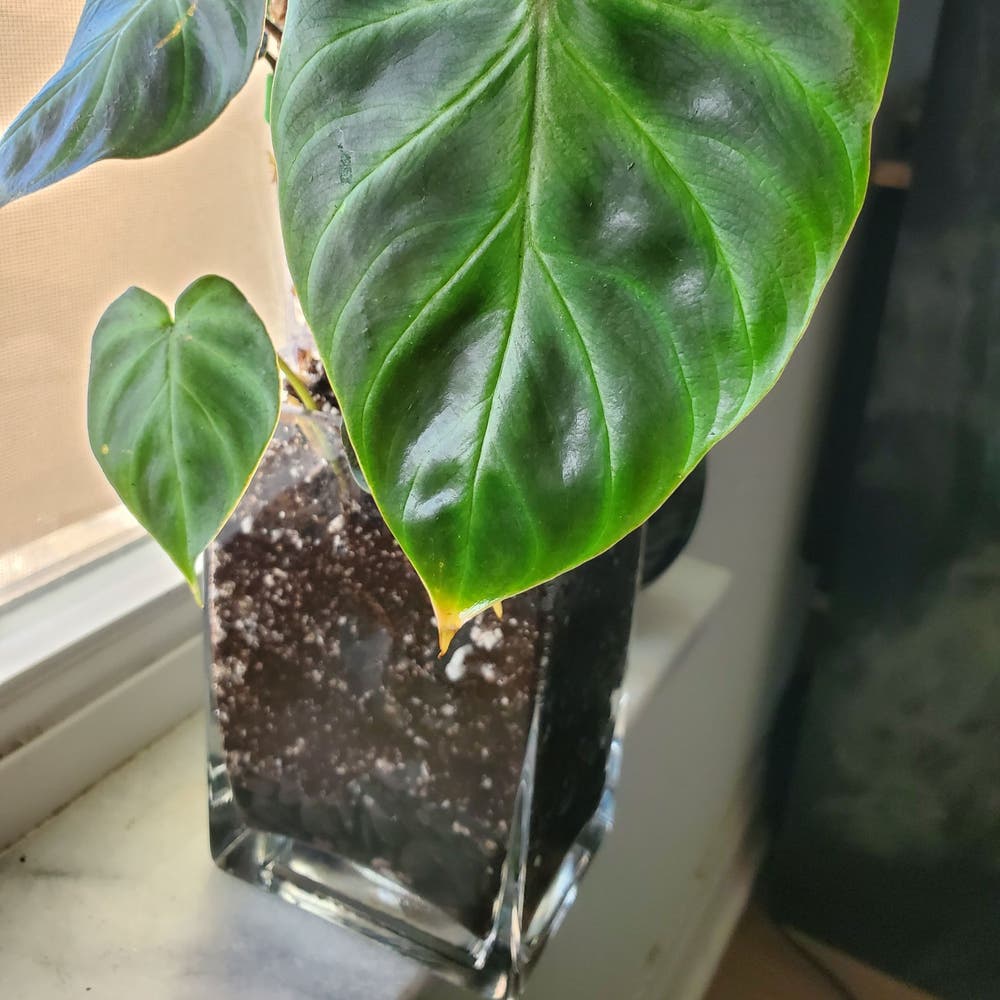
Why Are My Ecuador Philodendron Leaves Mushy?
Philodendron verrucosum
By the Greg Editorial Team
Jun 18, 2024•3 min read
This article was created with the help of AI so we can cover more plants for you. May contain errors. See one? Report it here.
- Overwatering? Yellow leaves and brown spots are your clues.
- Root rot signs: Foul odor and mushy roots.
- Immediate action: Stop watering and prune affected areas.
Spotting the Trouble: Symptoms of Mushy Leaves
🌧️ Recognizing Overwatering Signs
Yellowing leaves might be the first hint that your Ecuador Philodendron is getting a bit too soggy. If the soil feels like a wet sponge, it's a clear sign you've been overzealous with the watering can. Brown spots on the leaves, particularly at the lower regions, are like flashing warning lights indicating your plant is drowning in excess moisture.
🦠 Identifying Root Rot Symptoms
Root rot is the plant equivalent of a silent scream. If you notice a foul odor emanating from the soil or see roots that are more brown and mushy than firm and white, it's time to act fast. Stem rot at the soil line, where the stem turns into a slimy shadow of its former self, is another red flag that your Philodendron's roots are gasping for air.

Immediate Rescue: What to Do When You Spot Mushiness
🚑 Halting Water Intake
The moment you notice your Ecuador Philodendron's leaves turning into a mushy mess, stop watering. It's like hitting the brakes when you see a red light. Your plant's roots are gasping for air, not water. Let the soil dry out completely before you even consider reaching for that watering can again.
🏥 Emergency Pruning Tactics
It's surgery time. Get your sterilized scissors ready and remove the affected leaves and roots. Think of it as pruning the dead weight to save the healthy parts of the plant. Snip off the mushy leaves and any roots that are more brown than a well-done steak. After the operation, let the roots air out before repotting in fresh, well-draining soil. Remember, white and firm roots are the goal.

Long-Term Care Adjustments to Prevent Repeat Offenses
💧 Perfecting Your Watering Technique
Finding the sweet spot for hydration is crucial. Overwatering is the fast track to mushy leaves, so wait until the top inch of soil is dry before giving your Philodendron a drink. Use room-temperature water to avoid shocking the plant's roots, and consider the soak-and-dry method for thorough watering without the sogginess.
🌱 Soil and Pot Perfection
Selecting the right soil mix is like choosing a good mattress for a restful sleep. Aim for a well-draining mix that allows your Philodendron's roots to breathe, preventing root rot. Ensure the pot has adequate drainage holes to let excess water escape. If your plant is growing faster than a teenager, don't hesitate to repot to give it the space it needs.
Routine checks are non-negotiable. Like a detective on a stakeout, keep an eye on your plant for any signs of distress. Adjust your care with the seasons, as your Philodendron's needs will change throughout the year. And remember, consistency is key; erratic care is the nemesis of plant health.

Monitoring and Maintaining Plant Health
🕵️ Regular Check-Ups
Routine inspections are your first line of defense in plant health. Like checking your phone for notifications, make it a habit to scrutinize your Ecuador Philodendron for any signs of distress. Leaf discoloration, unusual spots, or changes in texture—these are the plant's cryptic texts for help. Respond with the urgency of a late-night snack craving.
🍂 Adjusting Care with the Seasons
As the seasons shift, so do the needs of your leafy companion. Think of it as updating your plant's wardrobe to suit the weather. Less water may be needed when winter invites itself over, while summer might call for some extra shade to prevent your Philodendron from throwing a sunburnt tantrum. Keep your care as dynamic as the seasons themselves—consistency in adjustment is key.
⚠️ Safety First
This content is for general information and may contain errors, omissions, or outdated details. It is not medical, veterinary advice, or an endorsement of therapeutic claims.
Always consult a qualified healthcare professional before using any plant as food, medicine, or supplement.
Never eat any plant (or feed one to pets) without confirming its identity with at least two trusted sources.
If you suspect poisoning, call Poison Control (800) 222-1222, the Pet Poison Helpline (800) 213-6680, or your local emergency service immediately.
Spotted an error? Please report it here.
Stop the mushiness in your Ecuador Philodendron by letting Greg craft a precise watering schedule 💧 to keep your green friend thriving.