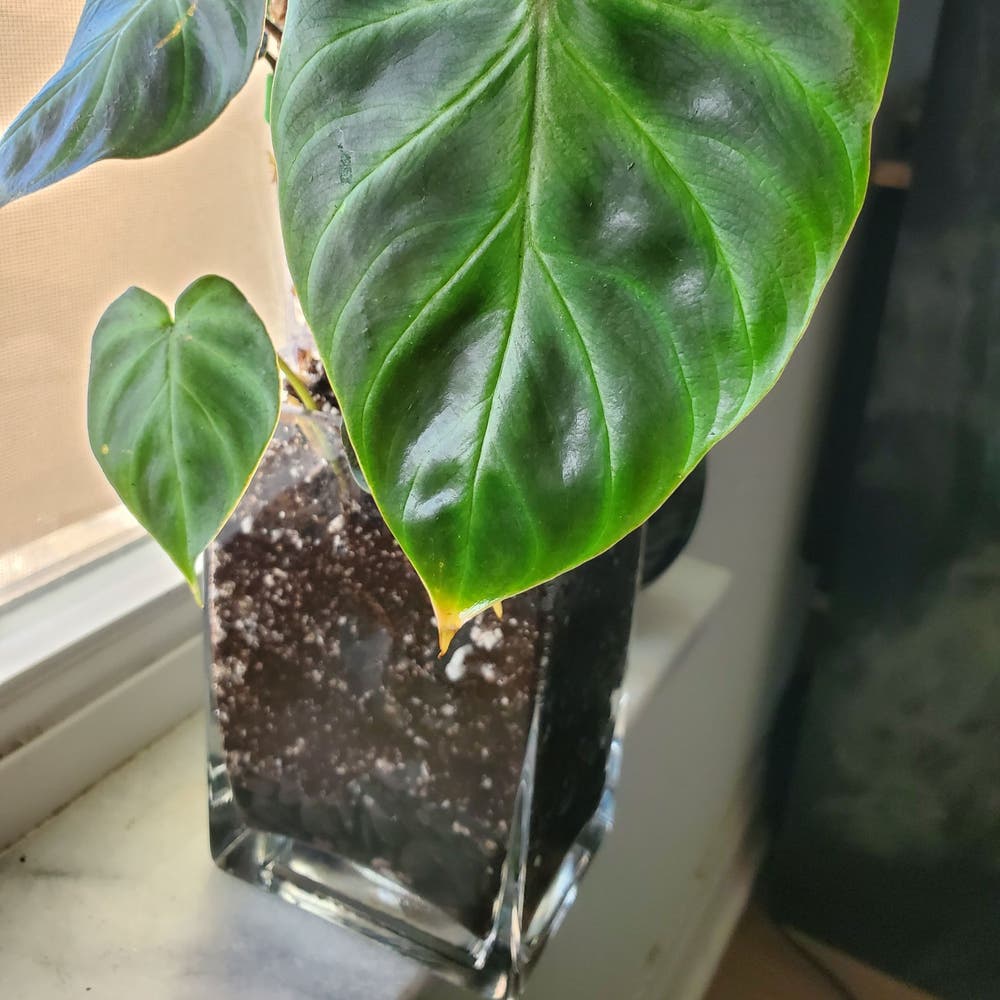
🌞 Is Direct Sunlight Good for My Ecuador Philodendron?
Philodendron verrucosum
By the Greg Editorial Team
Jun 18, 2024•4 min read
This article was created with the help of AI so we can cover more plants for you. May contain errors. See one? Report it here.
- 🌞 Direct vs. indirect sunlight: Your Philodendron prefers the audience.
- Leaf structure indicates sunlight tolerance; adjust placement accordingly.
- Seasonal care shifts essential for year-round Philodendron happiness.
Sunlight Simplified: What Does Your Philodendron Experience?
🌞 Defining Direct vs. Indirect Sunlight
Imagine the sun as a spotlight in a theater—direct sunlight is when your plant is center stage, basking in the full glare. Indirect sunlight is like sitting in the audience; the plant enjoys the show without the harsh spotlight.
🌤 How Much Sun is Too Much?
Your Ecuador Philodendron's leaves are the tattle-tales of too much sun. Leaf yellowing and a droopy demeanor scream 'I'm getting sunburnt!'. If multiple leaves turn yellow at once, it's like your plant is waving a white flag at the sun. Remember, bright but indirect light is your Philodendron's best friend.

Can Your Ecuador Philodendron Soak Up the Sun?
🌳 Native Habitat Clues
Ecuador Philodendrons hail from the dappled light of rainforest canopies. This origin story suggests they're not sun worshippers by nature. They thrive under the protection of taller trees, which filter the harshness of direct sunlight.
Leaves Tell a Story
The leaf structure of your Ecuador Philodendron is a sunlight tolerance snitch. Broad, green leaves hint at an ability to handle lower light, while thinner leaves might indicate a preference for the sun's filtered embrace. Watch for signs like leaf scorch or fading, which scream, "I've had too much sun!"

Finding the Sweet Spot: Where to Place Your Plant
⬅️ Window Direction Wisdom
North-facing windows are a Philodendron's best friend, offering a consistent, gentle light that won't toast its leaves. If that's not an option, 3-4 feet away from an east or west window is your next best bet. This spot provides a cozy balance of light without the harsh midday sun.
🌍 Hemisphere Hints
In the Northern Hemisphere, a south-facing window is like a tanning bed for plants—intense and direct. Flip that if you're down under in the Southern Hemisphere; here, north-facing is the VIP section for sunlight. But remember, your Philodendron isn't sunbathing—it's more about avoiding a sunburn than getting a golden tan. Keep it a safe distance from the window, or use sheer curtains as a plant sunscreen.
Remember, your plant's not a statue—rotate it regularly to ensure even growth. And as the seasons change, so should your plant's position. Keep an eye on the light, and don't be afraid to play musical chairs with your green buddy.

Seasonal Sun Shifts: Keeping Your Philodendron Happy Year-Round
🌞 Summer Sun Strategies
In the summer, your Ecuador Philodendron's thirst for light can get a bit too greedy. Direct sunlight can turn from friend to foe as it intensifies. To avoid the botanical equivalent of a sunburn, shield your plant with sheer curtains or relocate it from south and west-facing windows. Think of it as putting on sunscreen; you're not avoiding the sun, just softening its impact.
Rotate your plant regularly to ensure even growth and prevent the "I only tan on one side" look. And remember, like a cat finding the only patch of sun in a room, your Philodendron will stretch towards the light. Counter this by giving it a quarter-turn with each watering.
❄️ Winter Light Woes
Winter is the season your Philodendron might start to feel the blues—or rather, the dull greens. Light is like that flaky friend who's not around much, and your plant will miss it. Move your green buddy closer to the light, but keep it away from chilly windows. It's like giving it a warm sweater and a seat by the fire, without the fire hazard.
Watering needs dial back in winter; let the soil dry out more than usual before giving it a drink. Overwatering is the equivalent of forcing your plant to wear wet socks—unpleasant and cold. If your Philodendron's leaves start dropping like flies, it's a cry for help—probably too cold or too dark. Adjust accordingly, and maybe consider a grow light as a seasonal pick-me-up.
⚠️ Safety First
This content is for general information and may contain errors, omissions, or outdated details. It is not medical, veterinary advice, or an endorsement of therapeutic claims.
Always consult a qualified healthcare professional before using any plant as food, medicine, or supplement.
Never eat any plant (or feed one to pets) without confirming its identity with at least two trusted sources.
If you suspect poisoning, call Poison Control (800) 222-1222, the Pet Poison Helpline (800) 213-6680, or your local emergency service immediately.
Spotted an error? Please report it here.
Ensure your Ecuador Philodendron flourishes by relying on Greg to optimize 🌿 its spot and care routine as the seasons change, preventing sun damage and droopiness.