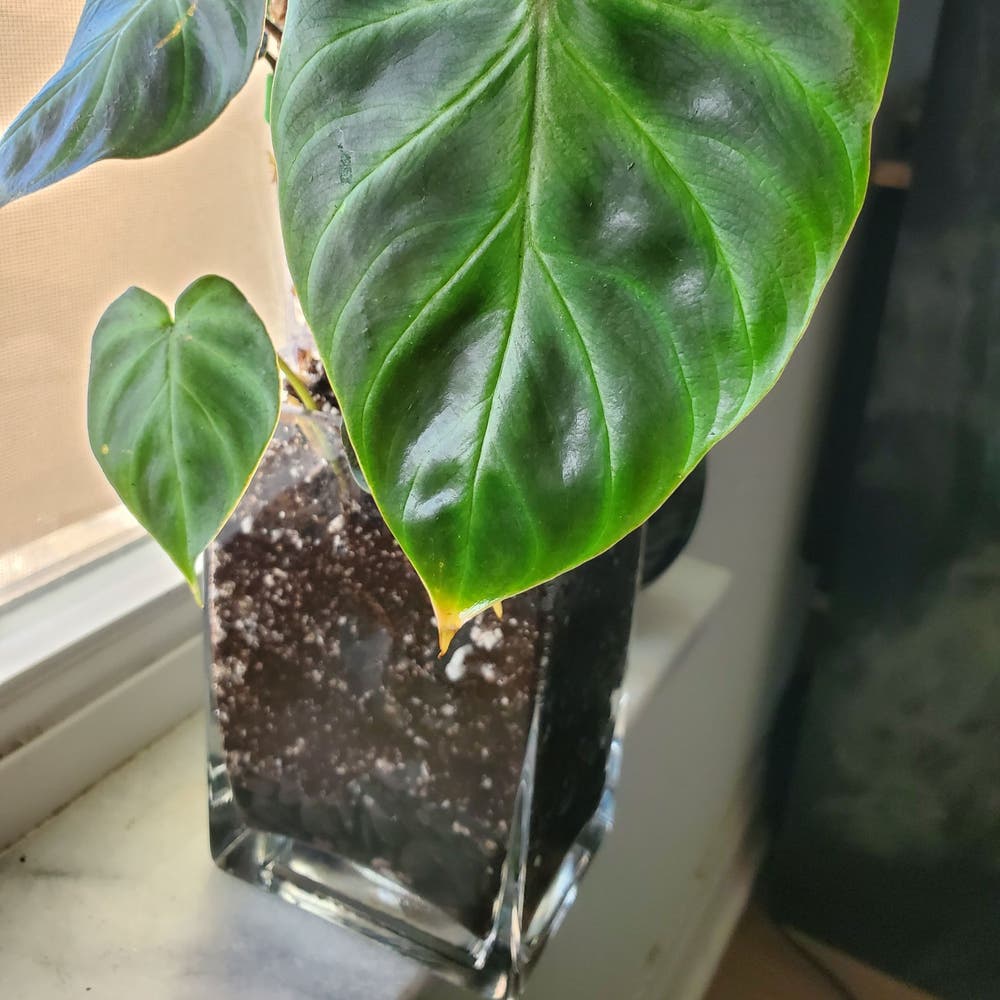
Why Are There Brown Spots on My Ecuador Philodendron Leaves?
Philodendron verrucosum
By the Greg Editorial Team
Jun 18, 2024•4 min read
This article was created with the help of AI so we can cover more plants for you. May contain errors. See one? Report it here.
- 💧 Overwatering and underwatering both cause brown spots.
- 🌬️ Boost humidity with grouped plants or pebble trays.
- 🍄 Prune and circulate air to combat fungal infections.
Spotting the Culprits: Causes of Brown Spots
💧 Overwatering and Root Rot
Overwatering is like a love that smothers; it's well-intentioned but ultimately harmful. Your plant's roots need to breathe, and too much water drowns them, leading to root rot.
Signs of overwatering include leaves with brown spots, often starting from the lower leaves and moving upward. If the soil feels soggy or if the roots are mushy and dark, it's time to reassess your watering habits.
🏜️ Underwatering Stress Signals
Conversely, underwatering leaves your Philodendron parched and stressed. Brown edges or spots often signal that your plant's soil is too dry.
Check the soil: if it's bone-dry several inches down, your plant is likely thirsty. Underwatering can make leaves crispy and cause them to develop brown spots or margins.
💨 Humidity Woes
Philodendrons are tropical plants that crave humidity. If your living room is as dry as a desert, your plant might protest with brown spots.
Look for brown leaf edges or tips as a clue that the air is too dry. A quick humidity check can help you determine if you need to add moisture to your plant's environment.
🍄 Fungal Foes
Fungal infections often start with overwatering but can also occur in overly humid conditions without proper airflow. Spotty leaves with a yellow halo might indicate a fungal issue.
Different fungi cause different types of spots, so it's crucial to identify the infection correctly. Fungal spots can be circular, irregular, or even resemble a target. If you spot these, it's time to act fast.

Turning Over a New Leaf: Remedies and Prevention
💧 Balancing the Watering Act
Overwatering is a no-go; it's the fast track to root rot and those dreaded brown spots. To hit the watering sweet spot, check the soil before giving your plant a drink. If it's dry an inch down, it's time to water. If not, hold off. Simple, right? Consider a moisture meter to take the guesswork out of the equation. It's like having a plant whisperer at your fingertips.
🌿 Humidity Harmony
Your Ecuador Philodendron doesn't need a rainforest, just a humidity boost. Group plants together or set up a pebble tray with water underneath to up the ante. It's a low-tech hack that can make all the difference. And remember, misting is like a mini spa treatment for your leafy friend, but don't overdo it—nobody likes soggy leaves.
🍄 Fungal Infection First Aid
Spot a fungal party crasher? Act fast. Prune affected leaves to stop the spread and improve air circulation. It's like giving your plant a breath of fresh air. Fungicides can be lifesavers, but choose wisely between natural and chemical options. Prevention beats cure, so keep your plant's living space tidy and avoid overwatering like it's the plague.

The Proactive Plant Parent: Long-Term Prevention
💧 Watering Wisdom
Mastering the art of watering isn't about sticking to a rigid schedule; it's about being responsive to your plant's needs. Seasonal changes affect your Philodendron's thirst—less frequent watering may be needed in winter, more in summer. Ensure good drainage to prevent root rot; choose pots with drainage holes and consider a soil mix that promotes aeration and moisture control.
🌿 Humidity Haven
Creating a humidity-friendly zone for your Philodendron doesn't require a greenhouse. Use a humidity meter to monitor levels, and if they dip, employ a humidifier or set up a pebble tray for a low-tech moisture boost. Grouping plants can create a microclimate, but remember, it's not a substitute for proper watering.
💨 Airflow and Plant Placement
Strategic placement is key. Your Philodendron craves fresh air without being blasted by the AC or heater. Open a window or use a fan for gentle circulation. Avoid stagnant corners; your plant isn't a fan of dead air. Regularly check the soil for moisture and remember, your Philodendron's leaves will tell you if it's happy with its spot.

⚠️ Safety First
This content is for general information and may contain errors, omissions, or outdated details. It is not medical, veterinary advice, or an endorsement of therapeutic claims.
Always consult a qualified healthcare professional before using any plant as food, medicine, or supplement.
Never eat any plant (or feed one to pets) without confirming its identity with at least two trusted sources.
If you suspect poisoning, call Poison Control (800) 222-1222, the Pet Poison Helpline (800) 213-6680, or your local emergency service immediately.
Spotted an error? Please report it here.
Keep your Ecuador Philodendron spot-free 🍃 with Greg's tailored reminders to adjust watering and humidity, ensuring your green buddy thrives.