Best Potting Soil Mix for Ecuador Philodendron
Philodendron verrucosum
By the Greg Editorial Team
Jun 18, 2024•4 min read
This article was created with the help of AI so we can cover more plants for you. May contain errors. See one? Report it here.
- Mold and waterlogging signal unhealthy soil; act quickly to fix.
- Peat moss, perlite, pine bark make the perfect Ecuador Philodendron mix.
- Repot when roots show or leaves droop post-watering, ideally in spring.
Spotting and Fixing Unhealthy Soil
🚨 Recognizing Trouble
Moldy soil in your Ecuador Philodendron is like a flashing neon sign that screams "trouble." Mold signals excess moisture and poor air circulation. If the soil smells like a dank basement or you spot a white fuzz party, it's time for action. Compacted or waterlogged soil is another red flag; it's suffocating your plant's roots. Look for symptoms like a heavy, dense soil texture or water that sits on the surface without draining.
🚑 The Rescue Plan
When you encounter mold or soggy conditions, don't just stand there—act fast. Start by removing any visible mold and replacing the top layer of soil with fresh, sterile potting mix. If the soil is waterlogged, consider repotting the entire plant. Use a mix that includes ingredients like peat moss or perlite to improve drainage and prevent future waterlogging. Ensure your pot has drainage holes; it's non-negotiable. Regularly check the soil moisture before watering—your plant's life depends on it. If root rot has set in, be ruthless: trim away the affected roots and repot in fresh soil. Remember, proper aeration is key; your plant's roots need to breathe just as much as they need water.

Crafting the Perfect Potting Soil Mix
💧 The Must-Have Ingredients
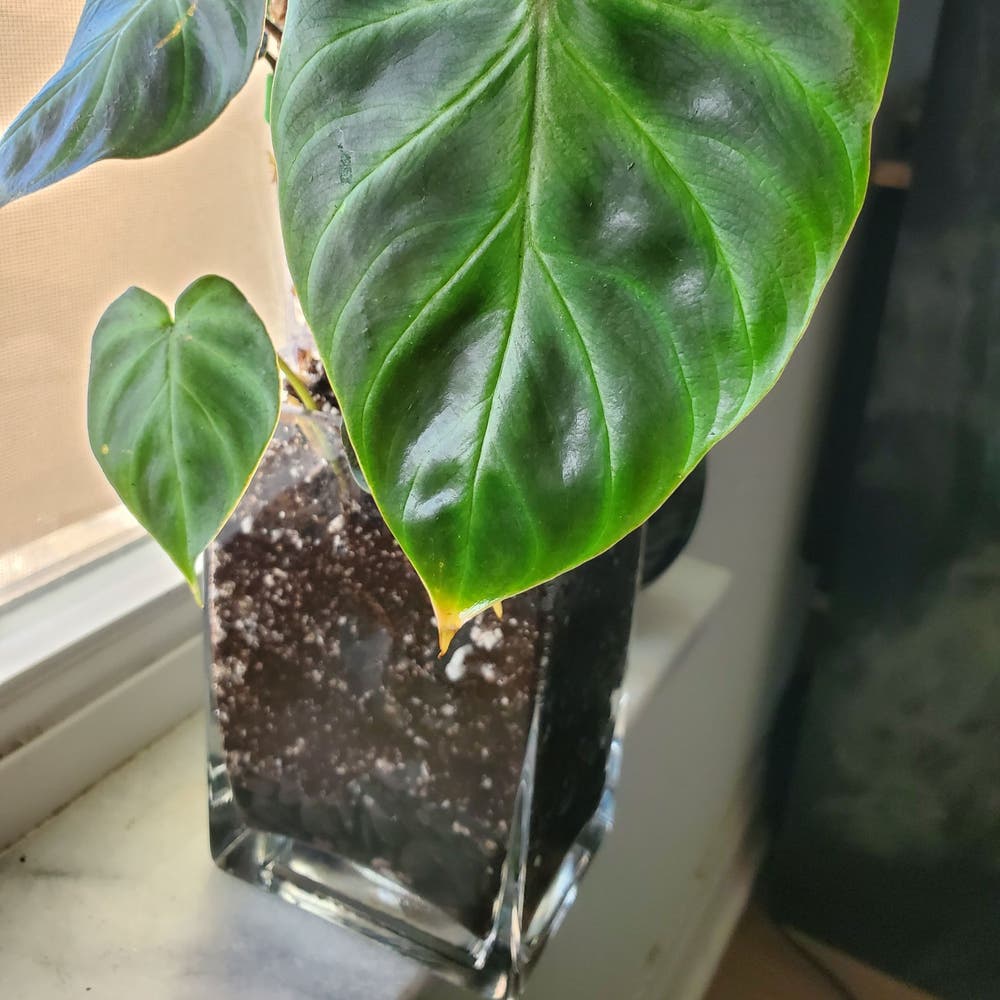
To hit the sweet spot for your Ecuador Philodendron's potting soil, start with peat moss. It's the hydration hero, keeping the soil moist but not soggy. Perlite is your aeration ace, ensuring roots get enough oxygen and preventing soil compaction. Don't overlook pine bark; it's the structural backbone that improves drainage and adds a bit of nutritional oomph.
🎛 Balancing Act
Achieving the perfect soil mix is like being a DJ at the decks, mixing tracks for the ultimate playlist. You want a blend that grooves well with aeration, moisture retention, and nutrient availability. It's not just about throwing together ingredients; it's about fine-tuning the ratios to get your Ecuador Philodendron popping and locking in growth.

DIY Soil Mix for Your Ecuador Philodendron
🌱 Mixing It Right
Creating your own potting mix is like becoming the chef of your plant's world. Let's dive into the recipe.
- Measure your ingredients: aim for 1 part peat moss or coco coir, 1 part perlite, and 1 part pine bark.
- Blend them together until you get a uniform mix—no shortcuts here.
- Moisten the mix slightly if you're using it straight away, or keep it dry if you're storing it for later.
Remember, the goal is to achieve a mix that's well-aerated, retains moisture, but doesn't stay soggy.
🌿 Fine-Tuning Your Mix
Your plant will talk to you, not with words, but with its health. If leaves yellow, your soil may be too wet—add more perlite. If growth is slow, consider a nutrient boost with worm castings or compost.
Adjust the mix based on your plant's performance. It's a living experiment, one that rewards the attentive gardener with lush, green growth.

When to Repot with Fresh Soil
⏰ Timing is Everything
Knowing when to repot your Ecuador Philodendron is like catching the perfect wave; timing is crucial. Your plant's roots should dictate the calendar, not the other way around.
- Roots peeking out of drainage holes? That's your plant waving a white flag for more space.
- Water runs off the soil like a duck's back? It's a telltale sign the soil is exhausted and your plant is likely root-bound.
- Droopy leaves post-watering? They're not being dramatic; they're parched because the soil isn't retaining moisture anymore.
Signs that your Ecuador Philodendron needs a soil refresh
Spring is the season of rebirth, and it's the ideal time to give your plant a fresh start with new soil. But don't just spring into action because the calendar says so.
- If it's been a year or two, consider that your soil's expiration date.
- A soil change can be as revitalizing as a double espresso on a Monday morning.
- When the soil dries out faster than your phone battery, it's time to repot.
Remember, repotting is not a hobby, it's a response to your plant's silent screams for help. Listen closely, and you'll know when it's time to act.
⚠️ Safety First
This content is for general information and may contain errors, omissions, or outdated details. It is not medical, veterinary advice, or an endorsement of therapeutic claims.
Always consult a qualified healthcare professional before using any plant as food, medicine, or supplement.
Never eat any plant (or feed one to pets) without confirming its identity with at least two trusted sources.
If you suspect poisoning, call Poison Control (800) 222-1222, the Pet Poison Helpline (800) 213-6680, or your local emergency service immediately.
Spotted an error? Please report it here.
Ensure your Ecuador Philodendron flourishes by crafting the ideal potting mix, and rely on Greg for tailored soil health reminders 🌿.