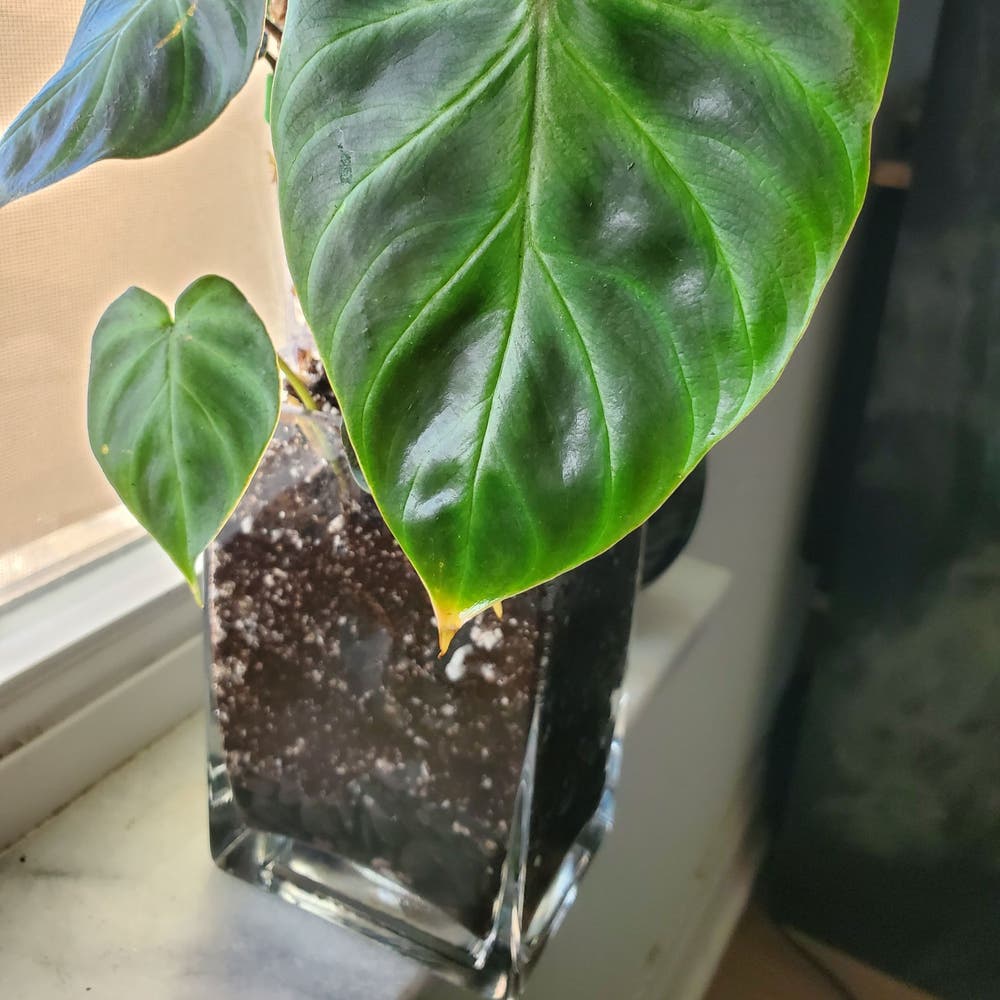
❄️ Step-by-Step Guide to Winterizing Ecuador Philodendron
Philodendron verrucosum
By the Greg Editorial Team
Sep 30, 2024•4 min read
This article was created with the help of AI so we can cover more plants for you. May contain errors. See one? Report it here.
- ❄️ Protect Ecuador Philodendron from frost using cloth, burlap, or mulch.
- 🌡️ Maintain indoor humidity between 50-70% for optimal winter health.
- 🌱 Adjust watering and fertilization to prevent overwatering and nutrient buildup.
Winter Care Requirements
❄️ Frost Protection Methods
Frost protection is crucial for Ecuador Philodendron, as these sensitive plants can suffer severe damage from cold temperatures. Implementing effective frost protection methods can make all the difference in keeping your plant healthy.
Outdoor Protection Strategies
To shield your Philodendron from frost outdoors, consider these methods:
- Covering with Frost Cloth or Burlap: This provides a barrier against cold air and frost.
- Using Mulch Around the Base: Mulch insulates the roots, helping to maintain a stable temperature.
Indoor Protection Strategies
For indoor care, focus on minimizing exposure to cold drafts and windows.
- Keep Away from Cold Drafts: Position your plant away from doors and windows that may let in chilly air.
- Utilize Space Heaters or Heat Mats: These can help maintain a warm environment, especially during particularly cold spells.
💧 Adjusting Watering Schedules for Winter Months
In winter, it's essential to adjust your watering routine.
- Reduced Watering Frequency: Allow the soil to dry out between waterings to prevent root rot.
- Recommended Moisture Levels: Aim for slightly moist soil, avoiding sogginess.
Watch for signs of overwatering, such as yellowing leaves or a musty smell from the soil.
🥦 Fertilizing Schedule Adjustments During Winter
During winter dormancy, it's important to reduce fertilization.
- Importance of Reducing Fertilization: This helps prevent nutrient buildup, which can harm your plant.
- Recommended Types of Fertilizers: Use a diluted, balanced fertilizer if necessary.
Timing is key; fertilize once a month or skip it altogether while your plant is dormant.
🌱 Indoor Care Tips
Maintaining optimal indoor conditions is vital for your Ecuador Philodendron's health.
- Optimal Indoor Humidity Levels: Aim for 50-70% humidity to keep foliage vibrant.
- Adjusting Light Exposure: If natural light is insufficient, consider using grow lights to supplement.
- Monitoring Temperature: Keep indoor temperatures between 65°F and 75°F (18°C to 24°C) for best results.
By following these winter care requirements, you can ensure your Ecuador Philodendron remains healthy and vibrant throughout the colder months. Next, we’ll explore how to prepare your plant for the spring season, ensuring a smooth transition from winter dormancy to lively growth.
Spring Preparation
Signs of recovery from winter damage 🌱
As spring approaches, keep an eye out for signs of healthy regrowth in your Ecuador Philodendron. New leaf emergence and vibrant colors indicate that your plant is bouncing back from winter dormancy.
Conversely, yellowing leaves or wilting can signal stress. Address these issues promptly to ensure your plant thrives.
Preparing for spring growth after winter dormancy 🌼
Reintroducing your plant to outdoor conditions should be gradual. Start by adjusting watering and fertilizing schedules to support new growth.
Pruning dead or damaged leaves is also crucial. This not only enhances the plant's appearance but encourages fresh growth.
Transitioning back to outdoor conditions 🌞
Timing is key when moving your plant outside. Wait until after the last frost date to avoid any cold damage.
The acclimatization process is essential. Gradually expose your plant to outdoor light and temperatures to help it adjust.
For outdoor placement, choose a spot with indirect sunlight and some shelter. This will protect your Ecuador Philodendron from harsh elements while it acclimates.
With these steps, your plant will be well on its way to thriving in the warmer months ahead.
Common Winter Problems and Solutions
❄️ Identifying and Addressing Frost Damage
Frost damage can be a real concern for your Ecuador Philodendron. Look for symptoms like brown, crispy leaf edges and wilting, which indicate that your plant has been affected.
To recover, prune away the damaged areas. This not only improves the plant's appearance but also encourages new growth. Additionally, enhance your care routine to help your plant bounce back.
🌬️ Managing Humidity Levels Indoors During Winter
Humidity is crucial for the health of your Ecuador Philodendron, especially during the dry winter months. Maintaining optimal humidity levels helps keep the foliage lush and vibrant.
To increase humidity, consider these methods:
- Using humidifiers: They can effectively raise moisture levels in your home.
- Grouping plants together: This creates a microenvironment with higher humidity.
- Placing water trays near plants: As the water evaporates, it adds moisture to the air.
🐜 Dealing with Pests That May Thrive Indoors
Indoor pests can become a nuisance during winter. Common culprits include spider mites and aphids, which can thrive in the dry indoor air.
To prevent infestations, conduct regular inspections of your plants. Maintaining overall plant health is key to keeping pests at bay.
If you do encounter pests, treatment options like insecticidal soap and neem oil can be effective. Apply these solutions as directed to help protect your Ecuador Philodendron.
As you navigate these winter challenges, remember that proactive care can make all the difference. With the right strategies, your plant will thrive even in the colder months. Next, let’s explore how to prepare your Ecuador Philodendron for the vibrant growth of spring.
⚠️ Safety First
This content is for general information and may contain errors, omissions, or outdated details. It is not medical, veterinary advice, or an endorsement of therapeutic claims.
Always consult a qualified healthcare professional before using any plant as food, medicine, or supplement.
Never eat any plant (or feed one to pets) without confirming its identity with at least two trusted sources.
If you suspect poisoning, call Poison Control (800) 222-1222, the Pet Poison Helpline (800) 213-6680, or your local emergency service immediately.
Spotted an error? Please report it here.
Keep your Ecuador Philodendron thriving this winter ❄️ with Greg's tailored watering reminders and frost protection tips to ensure it emerges vibrant and healthy come spring!