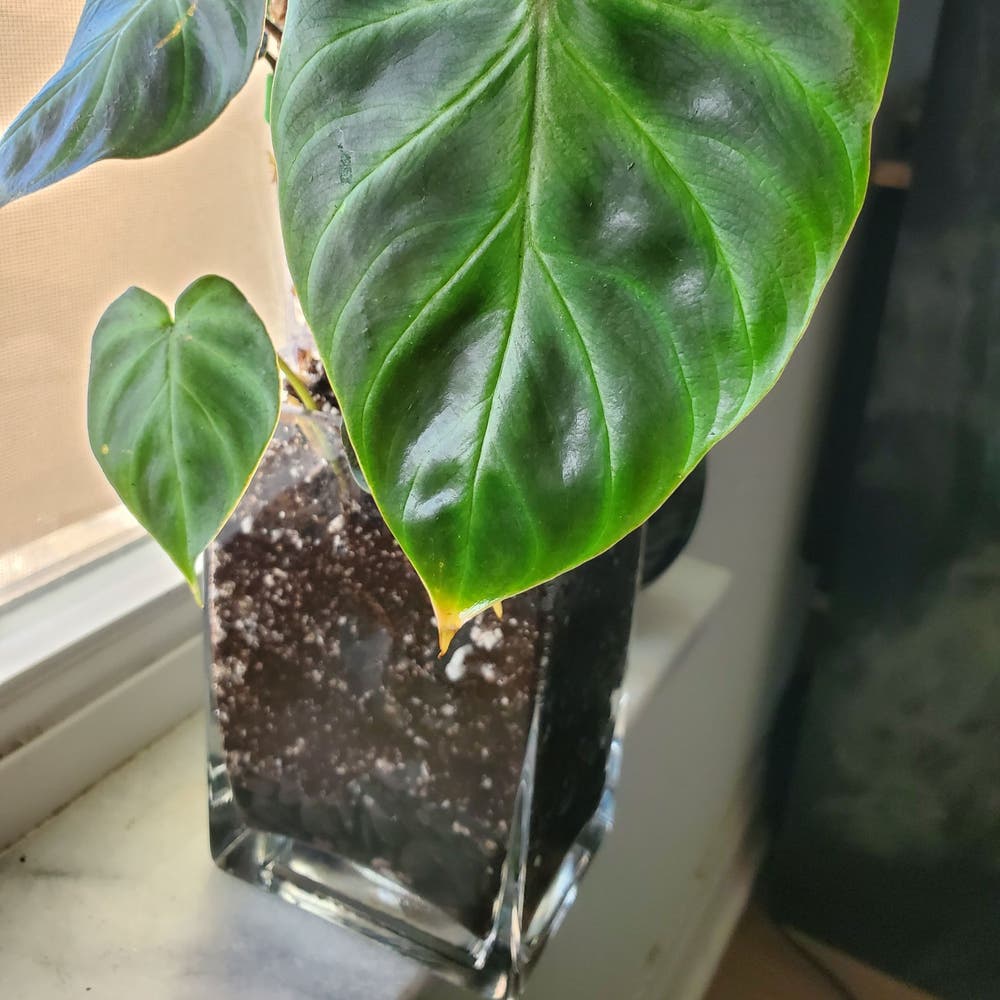
10 Top Pot Choices for Your Ecuador Philodendron 🪴
Philodendron verrucosum
By the Greg Editorial Team
Sep 30, 2024•6 min read
This article was created with the help of AI so we can cover more plants for you. May contain errors. See one? Report it here.
- 🌱 Use 4-6 inch pots for seedlings; transition to 10-14 inches as they grow.
- 🏺 Choose breathable materials like clay for optimal moisture retention and drainage.
- 🔄 Repot every 1-2 years to prevent stunted growth and ensure healthy roots.
Pot Sizes for Different Growth Stages
Recommended Sizes for Seedlings 🌱
For your Ecuador Philodendron seedlings, choose a container size of 4-6 inches in diameter. Small pots are crucial for initial root development, allowing roots to establish themselves without excess space.
Ideal Sizes for Mature Plants 🌳
As your plant matures, transition to a container size of 10-14 inches in diameter. Larger pots accommodate growth, but be mindful of how quickly your plant expands.
Frequency of Repotting 🔄
Repotting is essential every 1-2 years as your Ecuador Philodendron matures. This practice ensures that the roots have enough room to thrive and prevents stunted growth.
Understanding the right pot sizes at each growth stage is vital for your plant's health. With the right choices, your Ecuador Philodendron will flourish beautifully.
Materials for Pots
🌱 Benefits of Clay Pots
Clay pots are a favorite among plant enthusiasts for several reasons. Their breathability allows for essential air circulation to the roots, promoting healthier growth.
Additionally, clay pots excel in moisture retention, helping to maintain humidity levels that many tropical plants, like the Ecuador Philodendron, crave. Plus, their natural aesthetic complements any indoor decor, adding a touch of earthy elegance.
🪴 Advantages of Plastic Pots
Plastic pots are another popular choice, especially for those who prioritize convenience. They are lightweight and easy to move, making them ideal for rearranging your plant display.
Cost-effectiveness is another significant advantage, as plastic pots come in various sizes to fit any budget. They also retain moisture longer than clay pots, which can reduce the frequency of watering—a bonus for busy plant parents.
⚖️ Comparison of Other Materials
Ceramic Pots
Ceramic pots are known for their attractive designs, adding a decorative flair to your plant collection. However, they tend to be heavier and more expensive than both clay and plastic options.
While they offer good moisture retention, they may lack adequate drainage, which is crucial for the health of your Ecuador Philodendron.
Metal Pots
Metal pots are durable and can withstand the test of time. However, they can heat up quickly, which may negatively affect root health.
These pots are generally not ideal for moisture-sensitive plants like the Ecuador Philodendron, as they can lead to rapid drying of the soil.
In summary, choosing the right pot material is essential for the health and growth of your Ecuador Philodendron. Each option has its pros and cons, so consider your plant's needs and your personal preferences when making a decision.
Next, let’s explore the critical aspect of drainage considerations to ensure your plant thrives.
Drainage Considerations
Importance of Drainage Holes 🌊
Drainage holes are crucial for preventing water accumulation in your pot. This simple feature significantly reduces the risk of root rot, which can be detrimental to your Ecuador Philodendron's health.
Healthy drainage is essential for maintaining robust growth. Without it, excess water can lead to soggy soil, suffocating the roots and stunting your plant's development.
How to Ensure Proper Drainage 🛠️
To ensure proper drainage, choose pots with multiple drainage holes. This allows excess water to escape easily, keeping the soil at an optimal moisture level.
Additionally, consider adding a layer of gravel or stones at the bottom of the pot. This not only enhances drainage but also creates a buffer that helps prevent soil from clogging the holes.
By prioritizing drainage, you set your Ecuador Philodendron up for success. A well-drained pot is a key factor in promoting healthy, vibrant growth.
Next, let’s explore the signs that indicate it’s time to repot your plant.
Repotting Ecuador Philodendron
Signs That It’s Time to Repot 🌱
Recognizing when to repot your Ecuador Philodendron is crucial for its health. Look for roots growing out of the drainage holes, which indicates that the plant has outgrown its current pot.
If you notice stunted growth despite providing proper care, it’s another sign that repotting is necessary. Additionally, if the soil dries out too quickly, your plant may be struggling for space and nutrients.
Step-by-Step Guide to Repotting 🛠️
Repotting can seem daunting, but following these steps makes it manageable:
- Choose the right pot size based on the growth stage of your plant.
- Prepare fresh potting soil that is suitable for Philodendron.
- Gently remove the plant from its current pot, being careful not to damage the roots.
- Inspect roots for damage and trim any that appear unhealthy.
- Place the plant in the new pot and fill it with soil, ensuring it’s secure.
- Water thoroughly and allow excess water to drain out.
Choosing the Right Pot During Repotting 🪴
When selecting a new pot, consider both the material and drainage features. A pot with good drainage is essential to prevent water accumulation.
Make sure the new pot is only slightly larger than the current one. This helps avoid overwatering, which can lead to root rot and other issues.
Repotting your Ecuador Philodendron not only refreshes its environment but also gives you a chance to check on its health. With the right pot and care, your plant will thrive and continue to beautify your space.
Impact of Pot Choice on Growth
🌱 How Pot Choice Influences Root Health
Choosing the right pot size is crucial for the healthy expansion of your Ecuador Philodendron's roots. A properly sized container allows roots to spread out, promoting robust growth and stability.
The material of the pot also plays a significant role in root health. Different materials can affect moisture levels and aeration, which are vital for preventing root rot and ensuring your plant thrives.
🧪 Effects of Pot Material on Moisture Retention
When it comes to moisture retention, clay and plastic pots behave quite differently. Clay pots are porous, allowing for better air circulation but can dry out faster, requiring more frequent watering.
On the other hand, plastic pots retain moisture longer, which can be beneficial in reducing watering frequency. However, this can lead to overwatering if not monitored closely, especially in a moisture-sensitive plant like the Ecuador Philodendron.
🔍 Importance of Monitoring Soil Moisture Based on Pot Material
Understanding the moisture dynamics of your pot material is essential. Regularly check the soil moisture to ensure your plant receives the right amount of water.
By being attentive to these factors, you can create an optimal environment for your Ecuador Philodendron to flourish. This sets the stage for a successful repotting process, which we’ll explore next.
⚠️ Safety First
This content is for general information and may contain errors, omissions, or outdated details. It is not medical, veterinary advice, or an endorsement of therapeutic claims.
Always consult a qualified healthcare professional before using any plant as food, medicine, or supplement.
Never eat any plant (or feed one to pets) without confirming its identity with at least two trusted sources.
If you suspect poisoning, call Poison Control (800) 222-1222, the Pet Poison Helpline (800) 213-6680, or your local emergency service immediately.
Spotted an error? Please report it here.
Give your Ecuador Philodendron the perfect potting home 🏺 with Greg's tailored reminders and tips to keep it thriving at every growth stage!