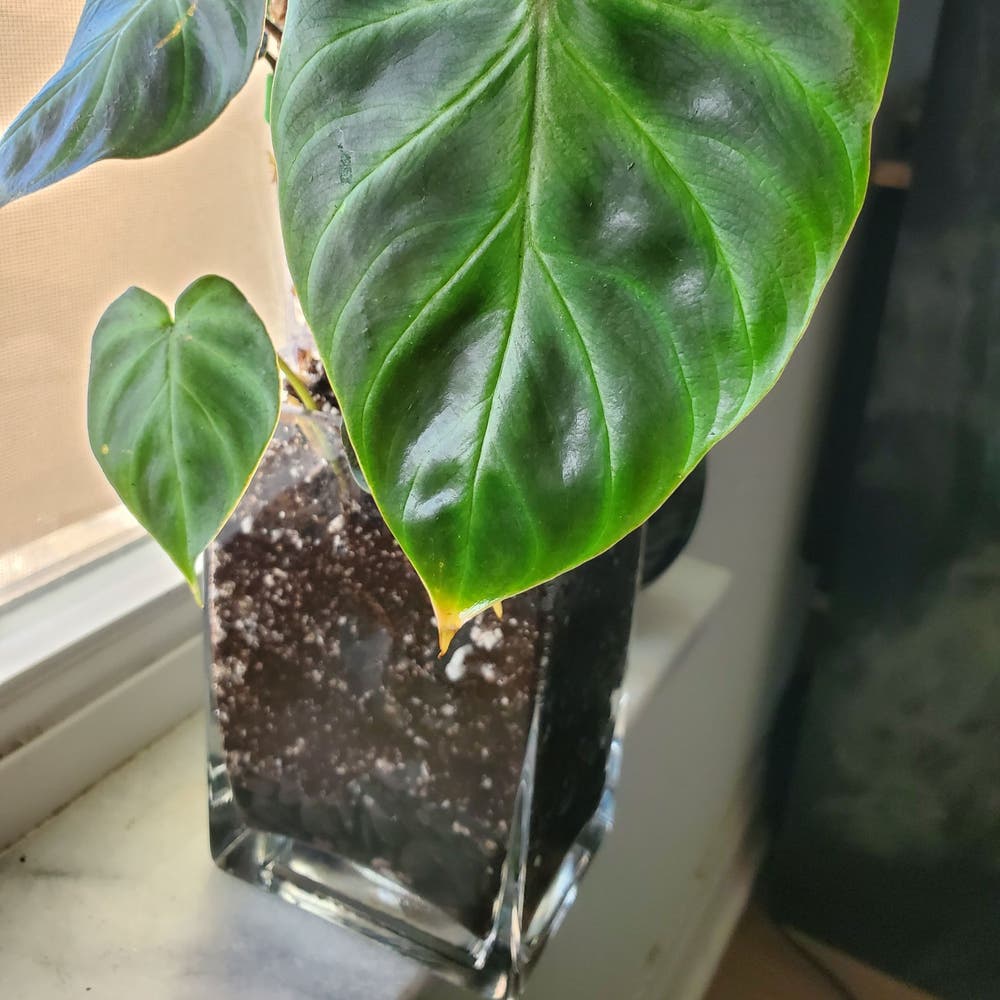
🌺 Ecuador Philodendron Is a Perennial
Philodendron verrucosum
By the Greg Editorial Team
Sep 30, 2024•6 min read
This article was created with the help of AI so we can cover more plants for you. May contain errors. See one? Report it here.
- 🌱 Ecuador Philodendron is a perennial, thriving for over 10 years with proper care.
- 🌞 Optimal growth requires indirect sunlight and well-draining, nutrient-rich soil.
- 🌿 Germination takes 2-4 weeks, leading to rapid growth and annual flowering.
Characteristics of Ecuador Philodendron as a Perennial
🌱 Multi-Year Lifecycle
The Ecuador Philodendron thrives as a perennial, showcasing a fascinating multi-year lifecycle. This lifecycle includes four distinct stages: germination, vegetative growth, flowering, and dormancy.
- Germination: This initial phase typically lasts 2-4 weeks, where seeds sprout and begin to establish roots.
- Vegetative Growth: Following germination, the plant enters a vigorous growth phase lasting about 6-12 months, characterized by rapid leaf development.
- Flowering: Once mature, the Ecuador Philodendron blooms, usually occurring annually, with flowering lasting several weeks.
- Dormancy: In cooler months, the plant may enter dormancy for 1-3 months, conserving energy and resources.
🌿 Growth Patterns and Regrowth
Ecuador Philodendron exhibits unique growth habits that make it a standout in any garden. Its climbing or trailing nature allows it to adapt beautifully to various spaces, whether indoors or outdoors.
- Leaf Production and Size Variation: The plant produces large, glossy leaves that can vary in size, depending on environmental conditions and care.
- Regrowth Process: Each season, healthy roots play a crucial role in supporting new growth. Strong roots not only anchor the plant but also enhance nutrient uptake, ensuring longevity and vitality.
Understanding these characteristics helps gardeners appreciate the Ecuador Philodendron's resilience and adaptability. With proper care, this perennial can thrive for years, bringing lush greenery and occasional blooms to your space.
As we delve deeper into the impact of its perennial nature, we’ll explore how these characteristics influence growth and flowering cycles.
Impact of Perennial Nature
Effects on Growth and Flowering 🌸
The Ecuador Philodendron showcases unique flowering cycles that are influenced by its perennial nature. Typically, these plants bloom once or twice a year, depending on environmental conditions such as light and humidity.
Perennials like the Ecuador Philodendron tend to have longer flowering durations compared to annuals. This extended blooming period allows for a more vibrant display, making them a favorite among gardeners.
Lifespan and Longevity Factors ⏳
In optimal conditions, the Ecuador Philodendron can thrive for several years, often reaching an impressive lifespan of 10 years or more. This longevity makes it a valuable addition to any garden.
However, several factors can influence its lifespan. Soil quality plays a crucial role; well-draining, nutrient-rich soil supports healthier plants.
Watering practices also matter. Overwatering or underwatering can stress the plant, leading to a shorter lifespan.
Lastly, environmental stressors, such as extreme temperatures or pests, can impact the overall health and longevity of the Ecuador Philodendron.
Understanding these factors can help you create the ideal conditions for your plant, ensuring it flourishes for years to come.
As we explore the dormancy and seasonal changes next, you'll see how these aspects further influence the Ecuador Philodendron's growth cycle.
Dormancy and Seasonal Changes
🌱 Description of Dormancy Periods
Ecuador Philodendron experiences a dormancy period during the cooler months. Signs of dormancy include slowed growth, yellowing leaves, and a general lack of new foliage.
Typically, this dormancy lasts several weeks to a few months, depending on environmental conditions. Factors such as temperature drops and reduced sunlight can trigger this restful phase.
🍂 Seasonal Changes
As the seasons shift, so do the growth patterns of Ecuador Philodendron. During warm months, the plant thrives, showcasing vibrant leaves and robust growth.
In contrast, cooler months bring reduced activity. This is when the plant may drop some leaves, conserving energy for regrowth when temperatures rise again.
🌍 Adaptations to Seasonal Changes
Ecuador Philodendron is well-equipped to handle seasonal fluctuations. The leaf drop during dormancy is a natural adaptation, allowing the plant to focus on root health.
When warmer weather returns, expect a burst of new growth. This cyclical pattern ensures the plant remains resilient and ready to flourish year after year.
Transitioning into the next section, understanding these dormancy and seasonal changes can significantly enhance your gardening strategy.
Advantages for Gardeners
Benefits of Reduced Replanting 🌱
Ecuador Philodendron offers significant cost savings for gardeners. Since it's a perennial, you won't need to purchase seeds or new plants every season.
This not only saves money but also reduces the time spent on planting and maintenance. With fewer replanting tasks, you can focus on enjoying your garden rather than constantly tending to it.
Importance of Established Root Systems 🌳
Strong root systems are a game changer for plant health. They enhance nutrient uptake, ensuring your Ecuador Philodendron thrives.
Additionally, established roots improve drought resistance. This means your plants can better withstand dry spells, making them more resilient in varying conditions.
Incorporating Ecuador Philodendron into your garden not only simplifies your gardening routine but also boosts plant health and longevity. As you plan your garden, consider these advantages to maximize your gardening experience.
Variations Across Climate Zones
🌦️ Differences in Behavior in Various Climates
Ecuador Philodendron exhibits distinct growth patterns depending on the climate. In tropical zones, the warm temperatures and high humidity create an ideal environment for rapid growth, leading to lush foliage and frequent flowering.
In contrast, temperate zones present challenges. Here, cooler temperatures can slow growth rates significantly. The plant may not flower as often, and its overall vigor can diminish without the warmth it craves.
🌍 Adaptability to Different Environments
One of the remarkable traits of the Ecuador Philodendron is its adaptability. This plant can adjust to varying conditions, making it a versatile choice for many gardeners.
For instance, in drier climates, it may develop thicker leaves to conserve moisture. In more humid areas, it thrives with larger, more expansive foliage, showcasing its resilience.
⏳ Factors Influencing Longevity
Soil type plays a crucial role in the health of Ecuador Philodendron. Well-draining soil is essential to prevent root rot, which can be detrimental to its longevity.
Watering and fertilization practices also require attention. In humid climates, less frequent watering may be necessary, while drier regions might demand more regular moisture to keep the plant thriving.
Understanding these factors can significantly enhance the lifespan and overall health of your Ecuador Philodendron, ensuring it remains a vibrant part of your garden for years to come.
As we explore the next section, we'll delve into maximizing the benefits of this perennial in your garden planning.
Maximizing Benefits in Garden Planning
Tips for Long-Term Cultivation 🌱
To ensure your Ecuador Philodendron thrives, start with proper soil preparation. Use well-draining soil enriched with organic matter to promote healthy root development.
Establish a consistent watering schedule. Aim to keep the soil moist but not soggy, allowing the top inch to dry out between waterings.
Strategies for Incorporating into Garden Designs 🌼
When planning your garden, consider companion planting. Plants like ferns and peace lilies thrive alongside Ecuador Philodendron, enhancing both aesthetics and health.
Placement is key for optimal growth. Position your Philodendron in a spot that receives indirect sunlight, ensuring it flourishes without scorching.
Seasonal Planning 📅
Timing is everything. Plant your Ecuador Philodendron in the spring to align with its active growth phase, and schedule maintenance tasks like pruning during the growing season for best results.
By following these tips, you can create a vibrant garden that showcases the beauty and resilience of the Ecuador Philodendron. Transitioning to the next section, let’s explore how variations across climate zones can influence your gardening success.
⚠️ Safety First
This content is for general information and may contain errors, omissions, or outdated details. It is not medical, veterinary advice, or an endorsement of therapeutic claims.
Always consult a qualified healthcare professional before using any plant as food, medicine, or supplement.
Never eat any plant (or feed one to pets) without confirming its identity with at least two trusted sources.
If you suspect poisoning, call Poison Control (800) 222-1222, the Pet Poison Helpline (800) 213-6680, or your local emergency service immediately.
Spotted an error? Please report it here.
Ensure your Ecuador Philodendron thrives for years to come 🌿 with Greg's tailored watering schedules and care reminders that match its unique growth phases!