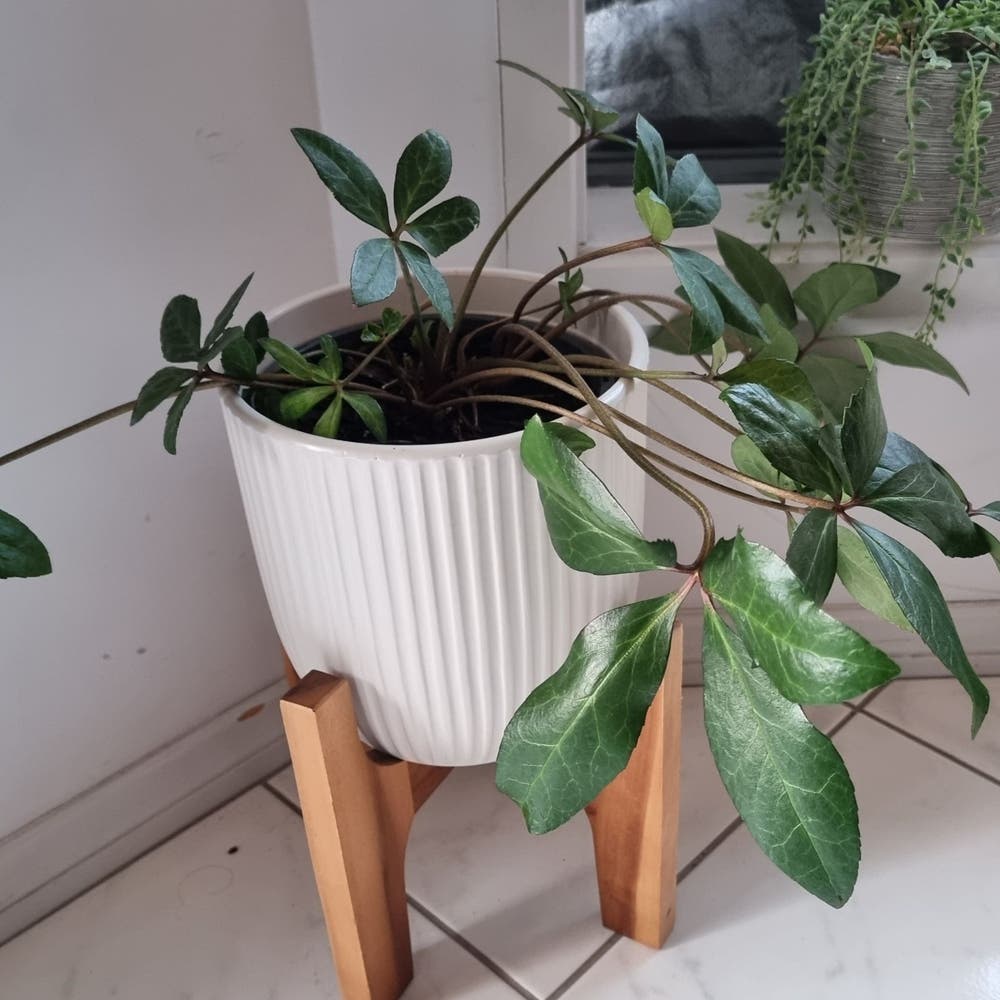
🌸 Lenten Rose is Not an Invasive Plant
Helleborus orientalis
By the Greg Editorial Team
Oct 15, 2024•6 min read
This article was created with the help of AI so we can cover more plants for you. May contain errors. See one? Report it here.
Uncover how Lenten Rose beautifies gardens and supports biodiversity without being invasive! 🌼
- 🌱 Lenten Rose is non-invasive, thriving slowly without outcompeting native plants.
- 🌼 Blooms from late winter to spring, attracting early pollinators and supporting biodiversity.
- 🌳 Ideal for shaded gardens, offering year-round appeal and low maintenance for beginners.
Plant Classification
Definition of Invasive Species 🌱
Invasive species are plants that exhibit certain characteristics making them detrimental to local ecosystems. They typically grow rapidly, spread aggressively, and can displace native species, leading to negative impacts on biodiversity.
These plants often outcompete local flora, disrupting established ecosystems and altering habitats. Their unchecked growth can result in significant ecological imbalances, making it crucial to identify and manage them effectively.
Why Lenten Rose is Not Invasive 🌼
Lenten Rose, or Helleborus orientalis, stands apart from invasive plants due to its slow growth rate and limited spread potential. This plant prefers shaded environments, which restricts its ability to compete with more aggressive species.
Additionally, Lenten Rose does not outcompete native flora or disrupt local ecosystems. Instead, it coexists harmoniously, contributing positively to the garden landscape without posing a threat to local biodiversity.
Understanding these traits helps gardeners appreciate the value of Lenten Rose in creating sustainable, thriving gardens. As we explore its growth habits next, we’ll see how this plant fits beautifully into various garden designs.
Growth Habits
🌱 Typical Growth Patterns in Gardens
Lenten Rose exhibits a charming clumping habit, showcasing its evergreen foliage throughout the year. Typically, it reaches heights of 12-18 inches and spreads 18-24 inches wide, making it a perfect fit for various garden designs.
The blooming period occurs from late winter to early spring, offering a delightful display that lasts several weeks. This early flowering not only brightens up the garden but also provides essential nectar for pollinators emerging from winter.
🌼 Natural Spread Potential
When it comes to natural spread, Lenten Rose is relatively modest. It produces seeds, but the germination rates are not particularly high, limiting its potential to spread uncontrollably.
Additionally, its habitat preferences restrict its natural dispersal. This means it’s less likely to invade spaces where it’s not wanted, making it a safe choice for gardeners.
🌍 Environmental Limits to Growth
Lenten Rose thrives in well-drained, rich soil but is surprisingly tolerant of various soil types. This adaptability allows it to flourish in different garden conditions.
Light requirements are crucial for its growth; it prefers shaded or partially shaded areas. This makes it an excellent choice for those tricky spots under trees or in woodland gardens.
In terms of hardiness, Lenten Rose is suitable for USDA zones 4-9, ensuring it can withstand a range of climates. This resilience adds to its appeal for gardeners looking for a reliable, low-maintenance plant.
With its unique growth habits and environmental adaptability, Lenten Rose stands out as a valuable addition to any garden. Next, we’ll explore its ecological role and the benefits it brings to local wildlife.
Ecological Role
🐝 Benefits to Local Wildlife
Lenten Rose is a boon for local wildlife, especially during its early blooming season. It attracts pollinators like bees, providing them with essential nectar when few other flowers are available.
Additionally, this plant offers habitat and food for beneficial insects. By supporting these creatures, Lenten Rose plays a vital role in maintaining a balanced ecosystem.
🌱 Interactions with Other Plants
Companion planting with Lenten Rose enhances biodiversity in your garden. It supports other plants, creating a thriving environment that benefits all.
This plant is particularly compatible with shade-loving species, such as ferns and hostas. Together, they create a lush, vibrant garden that flourishes in low-light conditions.
🌍 Contribution to Biodiversity
Lenten Rose contributes significantly to maintaining healthy ecosystems. Its presence supports local wildlife populations, promoting ecological balance.
By fostering a diverse plant community, Lenten Rose helps sustain the intricate web of life in your garden. This not only benefits the environment but also enriches your gardening experience.
As we explore how to incorporate Lenten Rose into garden designs, consider its ecological advantages and the beauty it brings to shaded spaces.
Garden Management
Incorporating Lenten Rose into Garden Designs 🌿
Lenten Rose thrives in shaded environments, making it perfect for planting under trees or in shaded borders. Consider incorporating it into woodland gardens for a natural look that enhances the overall aesthetic.
Grouping Lenten Rose with other shade-tolerant plants can create a stunning visual impact. This not only adds depth to your garden but also fosters a harmonious ecosystem.
Aesthetic Considerations 🎨
One of the standout features of Lenten Rose is its year-round appeal. Its evergreen foliage provides structure and color, while its early blooms bring life to the garden in late winter.
The flowers come in a delightful range of colors, from pristine white to rich deep purple. This variety allows for creative combinations that can brighten up any shaded area.
Practical Growth Control Methods ⚙️
To keep your Lenten Rose healthy and vibrant, regular deadheading is essential. This practice encourages more blooms and prevents the plant from becoming leggy.
Spacing is another critical factor to consider. Ensure adequate room between plants to prevent overcrowding, allowing each Lenten Rose to flourish without competing for resources.
Incorporating Lenten Rose into your garden not only enhances its beauty but also supports local wildlife. As we move forward, let’s explore how this plant interacts with other flora and contributes to biodiversity.
Comparison to Other Plants
🌱 Similar Non-Invasive Plants
When considering non-invasive alternatives, bleeding heart and foamflower stand out. Both plants share a preference for shaded areas and exhibit similar clumping growth habits, making them excellent companions for the Lenten Rose.
🌼 Unique Qualities of Lenten Rose
What sets the Lenten Rose apart is its distinctive late winter blooms and evergreen foliage. Additionally, it boasts medicinal properties and has been used traditionally for various health benefits, adding to its allure in the garden.
🌿 Benefits of Lenten Rose Over Other Plants
One of the most appealing aspects of the Lenten Rose is its low maintenance requirements, making it perfect for beginner gardeners. It thrives in challenging conditions, such as shade and poor soil, ensuring that even the most difficult garden spots can come alive with beauty.
Incorporating Lenten Rose into your garden not only enhances its aesthetic but also supports a sustainable ecosystem. As we delve deeper into garden management, we’ll explore how to effectively integrate this lovely plant into your landscape.
Legal and Environmental Considerations
📜 Relevant Classifications and Guidelines
Understanding local regulations is crucial when planting non-invasive species like Lenten Rose. Many areas have guidelines that encourage the use of native or non-invasive plants to protect local ecosystems.
Selecting the right plants not only complies with these regulations but also supports sustainable gardening practices. By choosing Lenten Rose, gardeners contribute to a healthier environment while enjoying its beauty.
🌱 Sustainable Gardening Practices
Incorporating Lenten Rose into eco-friendly garden designs is a smart choice. This plant thrives in shaded areas, making it ideal for woodland gardens or under trees.
Using Lenten Rose enhances biodiversity and helps preserve habitats. Its presence can attract beneficial insects and pollinators, creating a vibrant ecosystem.
🌍 Environmental Impact of Lenten Rose
Lenten Rose positively contributes to local ecosystems by providing food and shelter for wildlife. Its early blooms attract pollinators, supporting their populations during critical times.
By promoting sustainable gardening practices, Lenten Rose encourages wildlife-friendly gardens. This plant not only beautifies spaces but also plays a vital role in maintaining ecological balance.
In the next section, we will explore how to effectively manage Lenten Rose in your garden for optimal growth and aesthetic appeal.
⚠️ Safety First
This content is for general information and may contain errors, omissions, or outdated details. It is not medical, veterinary advice, or an endorsement of therapeutic claims.
Always consult a qualified healthcare professional before using any plant as food, medicine, or supplement.
Never eat any plant (or feed one to pets) without confirming its identity with at least two trusted sources.
If you suspect poisoning, call Poison Control (800) 222-1222, the Pet Poison Helpline (800) 213-6680, or your local emergency service immediately.
Spotted an error? Please report it here.
Transform your garden with the charming Lenten Rose 🌿, a non-invasive beauty that thrives in shade, and let Greg provide tailored care reminders to help your plants thrive effortlessly!