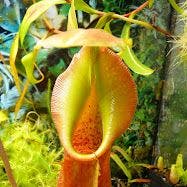
9 Factors for Optimal Ampullaria Pitcher Plant Growth 🏺
Nepenthes ampullaria
By the Greg Editorial Team
Oct 02, 2024•5 min read
This article was created with the help of AI so we can cover more plants for you. May contain errors. See one? Report it here.
Transform your space with thriving Ampullaria pitcher plants 🌱 by mastering essential care tips for vibrant growth!
- 🌱 Optimal growth requires 50-80% humidity and temperatures between 20°C to 30°C.
- 💡 Provide bright, indirect light to prevent leaf scorching; consider grow lights if needed.
- 🌿 Use acidic, nutrient-poor soil with sphagnum moss and perlite for best results.
Optimal Growing Conditions
Choosing the Right Location (Indoor vs. Outdoor) 🏡
When it comes to growing Ampullaria pitcher plants, location is key. Indoor growing offers a controlled environment, allowing you to manage temperature and humidity easily.
On the other hand, outdoor growing can be rewarding if you have the right climate. Look for a spot that mimics their natural habitat, ensuring they receive adequate warmth and moisture.
Light Requirements and Placement 💡
Ampullaria pitcher plants thrive in bright, indirect light. Direct sunlight can scorch their leaves, so aim for a well-lit area that filters the sun's rays.
For optimal placement, consider positioning them near windows or using grow lights. This ensures they receive the light they need without the risk of damage.
Humidity and Temperature Needs 🌡️
Humidity is crucial for these plants, with a requirement of 50-80% relative humidity. Maintaining this level helps them flourish and develop their unique pitchers.
Temperature also plays a significant role, with ideal conditions ranging from 20°C to 30°C (68°F to 86°F). Keeping these parameters in check will set your plants up for success.
With the right conditions established, you’re ready to delve into soil and planting techniques that will further enhance your Ampullaria's growth.
Soil and Planting Techniques
🌱 Soil Preparation
The right soil is crucial for your Ampullaria pitcher plant's health. These plants thrive in acidic, nutrient-poor soil, which mimics their natural habitat.
For optimal growth, consider using a mix of sphagnum moss, perlite, and orchid bark. This combination ensures excellent drainage while maintaining the necessary moisture levels.
🌿 Planting Techniques and Depth Considerations
When planting your Ampullaria, depth matters. Aim to plant it just deep enough to cover the roots, allowing the crown to sit above the soil line for optimal growth.
Container size is also essential. A minimum pot size of 6 inches in diameter is recommended to support healthy root development and prevent overcrowding.
With the right soil and planting techniques, your pitcher plant will be set up for success. Next, let's dive into the watering and fertilizing needs to keep it thriving!
Watering and Fertilizing
💧 Watering Frequency and Methods
Proper watering is crucial for the health of your Ampullaria pitcher plant. Aim to keep the soil consistently moist but not soggy.
For moisture retention, consider using a well-draining potting mix. This helps prevent waterlogging, which can lead to root rot.
When it comes to water, distilled water or rainwater is preferred. Tap water often contains minerals that can harm your plant over time.
🌱 Best Practices for Fertilizing
Fertilizing your pitcher plant is essential for robust growth. A monthly fertilization schedule during the growing season will keep your plant thriving.
Opt for diluted orchid fertilizer or specialized carnivorous plant food. These options provide the right nutrients without overwhelming your plant.
🥗 Tips for Effective Fertilization
Watch for signs of nutrient deficiency, such as yellowing leaves or poor pitcher formation. These indicators suggest that your plant may need more nutrients.
Adjust your fertilization based on the growth stage of your plant. Younger plants may require less fertilizer, while mature plants will benefit from a more regular feeding schedule.
With the right watering and fertilizing practices, your Ampullaria pitcher plant will flourish. Next, let’s explore ongoing care and maintenance to ensure your plant remains healthy year-round.
Ongoing Care and Maintenance
🌱 Developing a Plant Care Routine
Creating a consistent care routine is essential for your Ampullaria pitcher plant. Focus on three key components: watering, light adjustment, and monitoring humidity.
Regularly check the moisture level of the soil to ensure it remains damp but not soggy. Adjust the light exposure based on the season; your plant may need more light during the longer days of summer.
🍂 Seasonal Adjustments
As the seasons change, so should your care routine. In winter, reduce watering and light exposure to mimic the plant's natural dormancy period.
When spring arrives, ramp up humidity and fertilization to prepare your plant for the growing season. This proactive approach will help your Ampullaria thrive.
✂️ Pruning Techniques for Healthy Growth
Pruning is vital for encouraging new growth and maintaining the health of your plant. Regularly remove dead leaves and spent pitchers to promote airflow and prevent disease.
Use clean, sharp scissors to cut back old growth, ensuring you don’t damage the healthy parts of the plant. This simple practice can significantly enhance your plant's vitality.
❄️ Seasonal Care Adjustments
Adjusting care for winter dormancy is crucial. During this time, your plant requires less water and light, allowing it to conserve energy.
As you prepare for the growing season, increase humidity levels and resume a regular fertilization schedule. These adjustments will set the stage for robust growth and vibrant pitchers.
By following these ongoing care and maintenance tips, you'll ensure your Ampullaria pitcher plant remains healthy and thriving. Next, let’s explore common challenges and solutions to keep your plant in top shape.
Common Challenges and Solutions
🐛 Identifying and Addressing Common Problems
Ampullaria pitcher plants can face a few pesky challenges. Common issues include pests like aphids and mealybugs, as well as diseases such as fungal infections.
Look out for signs of trouble, including wilting leaves, discoloration, and a noticeable lack of pitcher formation. These symptoms can indicate that your plant needs immediate attention.
🔧 Troubleshooting Growth Issues
If your plant isn’t thriving, it might be time to reassess your care routine. Adjusting light levels, humidity, and watering practices can often lead to significant improvements.
Regularly monitoring environmental conditions is crucial. This proactive approach helps catch issues before they escalate.
🌱 Tips for Successful Container Growing
Choosing the right container is essential for your plant's health. Opt for pots that provide good drainage and are appropriately sized for your Ampullaria.
Managing soil moisture is another key factor. Techniques like using a moisture meter can help prevent overwatering and root rot, ensuring your plant stays happy and healthy.
With these strategies in mind, you can tackle common challenges head-on and foster a thriving environment for your Ampullaria pitcher plant. Next, let’s explore how to develop a consistent plant care routine that keeps your plant flourishing year-round.
⚠️ Safety First
This content is for general information and may contain errors, omissions, or outdated details. It is not medical, veterinary advice, or an endorsement of therapeutic claims.
Always consult a qualified healthcare professional before using any plant as food, medicine, or supplement.
Never eat any plant (or feed one to pets) without confirming its identity with at least two trusted sources.
If you suspect poisoning, call Poison Control (800) 222-1222, the Pet Poison Helpline (800) 213-6680, or your local emergency service immediately.
Spotted an error? Please report it here.
Grow your Ampullaria pitcher plant like a pro 🌿 with Greg's tailored care reminders and expert tips to keep light, humidity, and watering just right for vibrant growth!