🌞 How Much Sunlight Does My Nepenthes ampullaria Need?
Nepenthes ampullaria
By the Greg Editorial Team
Feb 09, 2024•3 min read
This article was created with the help of AI so we can cover more plants for you. May contain errors. See one? Report it here.
Nurture thriving Nepenthes ampullaria with the perfect light balance—no more guesswork! 🌿⚖️
- Dappled light is key for Nepenthes ampullaria, mimicking its natural habitat.
- East or west-facing windows indoors provide the ideal light balance.
- Artificial grow lights supplement when natural sunlight isn't enough.
Sunlight Mimicking the Jungle Canopy
🌿 Understanding Dappled Light
Dappled light is the speckled sunlight that filters through the forest canopy, and it's exactly what Nepenthes ampullaria craves. To simulate these conditions, position your plant where sunlight is softened by tree leaves or use a shade cloth to break up direct rays.
🌳 Shady Business
Shade plays a critical role in the health of Nepenthes ampullaria. Direct sunlight can be too intense, so aim for locations that offer protection during the peak hours. Outdoor placement should ensure that the plant receives gentle morning or late afternoon sun, avoiding the harsh midday rays.
Bringing the Jungle Indoors
⛅️ Window Wisdom
Finding the right spot for your Nepenthes ampullaria indoors is like playing a strategic game of chess with Mother Nature. East or west-facing windows are your best bet, offering a balance of light without the harsh midday sun. Morning light from an east-facing window is gentle yet ample, while the west offers a warmer afternoon glow. Remember, these plants are used to lounging under a jungle canopy, so direct sunlight is a no-go. It's all about that bright, indirect light.
💡 Artificial Sun: Grow Lights
Grow lights enter the chat when your windows just aren't cutting it. They're the VIP pass for your Nepenthes ampullaria to get enough light, especially during those gloomy months. LED or fluorescent lights are the ticket, offering a spectrum of light that mimics the sun's rays. Hang them about a foot above your plant, and watch it bask in the glow. It's like giving your plant a personal sun without the risk of a sunburn.
Light's Influence on Pitchers and Blooms
🌿 Pitcher Perfection
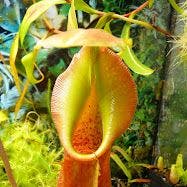
Pitcher plants, like Nepenthes ampullaria, are a balancing act when it comes to light. Bright, indirect light is their jam, fostering robust pitcher development. Too little light, and these carnivorous wonders become stingy with their trademark traps, producing smaller pitchers, if any. Conversely, high light levels can lead to larger, more pigmented pitchers, but with a trade-off: reduced leaf size and potential stress indicators, like red spotting. It's all about finding that sweet spot where the pitchers flourish without the plant breaking a sweat.
🌸 Blooming Brilliance
Flowering in Nepenthes ampullaria is a rare event, akin to catching a glimpse of a shooting star. It's elusive but light plays a pivotal role in this spectacle. Consistent and moderate light encourages the plant to consider blooming. Think of it as a green light for reproductive showtime. However, just like their pitcher development, too much light can lead to a no-show in the bloom department. Keep an eye on the light and your Nepenthes might just surprise you with a rare floral display.
⚠️ Safety First
This content is for general information and may contain errors, omissions, or outdated details. It is not medical, veterinary advice, or an endorsement of therapeutic claims.
Always consult a qualified healthcare professional before using any plant as food, medicine, or supplement.
Never eat any plant (or feed one to pets) without confirming its identity with at least two trusted sources.
If you suspect poisoning, call Poison Control (800) 222-1222, the Pet Poison Helpline (800) 213-6680, or your local emergency service immediately.
Spotted an error? Please report it here.
Watch your Nepenthes ampullaria flourish 🌿 with Greg's PlantVision, which ensures the ideal light for your pitcher plant and customizes care reminders for effortless growth.