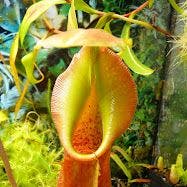
Why Pitcher Plant Is A Perennial Plant 🏺
Nepenthes ampullaria
By the Greg Editorial Team
Oct 18, 2024•5 min read
This article was created with the help of AI so we can cover more plants for you. May contain errors. See one? Report it here.
Transform your garden with resilient Pitcher Plants 🌱 that thrive year after year, offering beauty and low maintenance!
- 🌱 Pitcher Plants are perennials, thriving for years unlike annuals or biennials.
- 🌿 Robust root systems enable yearly regrowth, ensuring sustainability and low maintenance.
- ☀️ Seasonal changes influence growth, with flowering peaking in spring and early summer.
Characteristics of Pitcher Plant as a Perennial
🌱 Multi-Year Lifecycle
The Pitcher Plant boasts a remarkable multi-year lifecycle, allowing it to thrive for several years. Unlike annuals that complete their life cycle in one season or biennials that take two, Pitcher Plants continuously regrow from their robust root systems.
This longevity highlights the sustainability of perennials. Once established, they contribute to the ecosystem year after year, providing benefits that short-lived plants simply can't match.
🌿 Growth Patterns and Regrowth from Roots
Each year, the Pitcher Plant develops new pitchers from its established roots. This consistent growth pattern ensures that the plant remains vibrant and functional, adapting to its environment as needed.
The root system of the Pitcher Plant is deep and extensive. This characteristic not only supports nutrient uptake but also provides stability, allowing the plant to withstand environmental challenges effectively.
With these unique traits, the Pitcher Plant stands out as a resilient perennial. Its ability to thrive year after year makes it a valuable addition to any garden.
As we explore seasonal changes and dormancy, we’ll see how these factors further influence the Pitcher Plant's lifecycle.
Seasonal Changes and Dormancy
🌱 Dormancy Periods in Pitcher Plant
Dormancy in Pitcher Plants typically occurs during the colder months. During this time, growth significantly slows, allowing the plant to conserve energy and resources.
To adapt, Pitcher Plants enter a state of reduced metabolic activity. This helps them survive harsh conditions until warmer weather returns.
🌼 Seasonal Changes Affecting Growth and Flowering
Seasonal changes play a crucial role in the flowering of Pitcher Plants. Flowering usually takes place in spring or early summer, marking a vibrant return to life.
Environmental triggers like temperature and moisture levels are essential for growth cycles. These factors signal the plant when to awaken from dormancy and begin its annual growth.
Understanding these seasonal dynamics can enhance your appreciation for Pitcher Plants and their resilience. As we explore the advantages of their perennial nature, we’ll see how these traits benefit gardeners and ecosystems alike.
Advantages of Perennial Nature
🌱 Benefits for Gardeners
Pitcher Plants offer significant advantages for gardeners, particularly in terms of maintenance. Once established, these fascinating plants do not require annual replanting, saving you time and effort.
Their robust root systems contribute to stability and resilience. This means they can withstand environmental stressors better than many annuals, making them a reliable choice for your garden.
⏳ Expected Lifespan and Factors Influencing Longevity
The typical lifespan of a Pitcher Plant can span several years, with some species living over a decade. This longevity is a testament to their hardiness and adaptability.
However, several factors can influence their lifespan. Soil quality, water availability, and climate conditions play crucial roles in determining how long these plants thrive in your garden.
Understanding these elements can help you create the ideal environment for your Pitcher Plants, ensuring they flourish for years to come. As you plan your garden, consider how these perennial wonders can enhance your landscape while requiring less upkeep than their annual counterparts.
Next, we'll explore how seasonal changes impact the growth and flowering of Pitcher Plants.
Variations Across Climate Zones
Differences in Perennial Behavior in Various Climates 🌍
Pitcher Plants exhibit remarkable adaptability across different climate zones. Their growth and flowering patterns can vary significantly based on local conditions, showcasing their resilience.
For instance, in warmer, humid regions, Pitcher Plants may thrive year-round, producing vibrant flowers in spring. Conversely, in cooler climates, they might enter dormancy during the winter months, conserving energy until the temperatures rise again.
Impact of Growing Conditions on Pitcher Plant's Lifecycle 🌱
Soil type and moisture levels play a crucial role in the lifecycle of Pitcher Plants. They prefer nutrient-poor, wetland habitats, which provide the ideal conditions for their growth.
Seasonal variations also impact their development. In regions with distinct wet and dry seasons, Pitcher Plants may adjust their growth cycles, responding to changes in temperature and precipitation to optimize their survival and flowering.
Understanding these variations can help gardeners create the best environments for their Pitcher Plants, ensuring they flourish regardless of climate.
Maximizing Benefits in Garden Planning
Tips for Long-Term Cultivation 🌱
To successfully cultivate Pitcher Plants, start with proper soil preparation. They thrive in nutrient-poor, acidic soils, so consider using a mix of sphagnum moss and perlite for optimal drainage.
Watering is crucial; these plants prefer consistently moist conditions. Use distilled or rainwater to avoid harmful minerals found in tap water.
Sunlight exposure is another key factor. Pitcher Plants love bright, indirect light, so place them where they can soak up the sun without being scorched.
Understanding your local climate is essential for tailored care. Different regions may require adjustments in watering frequency and light exposure, so keep an eye on seasonal changes.
Strategies for Integrating Pitcher Plant into Garden Design 🌼
Companion planting can enhance your garden's ecosystem. Pair Pitcher Plants with other perennials that share similar moisture and light requirements for a harmonious garden.
Designing for seasonal interest is also vital. Plan your garden layout to ensure that Pitcher Plants bloom in spring or early summer, adding vibrant colors and textures to your landscape throughout the year.
Consider the visual appeal of your garden. By strategically placing Pitcher Plants, you can create stunning focal points that draw the eye and inspire curiosity.
With these tips and strategies, you can maximize the benefits of Pitcher Plants in your garden, ensuring a thriving, beautiful space that changes with the seasons.
⚠️ Safety First
This content is for general information and may contain errors, omissions, or outdated details. It is not medical, veterinary advice, or an endorsement of therapeutic claims.
Always consult a qualified healthcare professional before using any plant as food, medicine, or supplement.
Never eat any plant (or feed one to pets) without confirming its identity with at least two trusted sources.
If you suspect poisoning, call Poison Control (800) 222-1222, the Pet Poison Helpline (800) 213-6680, or your local emergency service immediately.
Spotted an error? Please report it here.
Cultivate thriving Pitcher Plants 🌱 for years to come with Greg's personalized care tips and watering reminders that ensure your garden flourishes effortlessly!