Best Fertilizer for Your Pitcher Plant 🏺
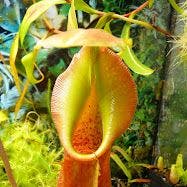
Nepenthes ampullaria
By the Greg Editorial Team
Oct 18, 2024•5 min read
This article was created with the help of AI so we can cover more plants for you. May contain errors. See one? Report it here.
Master the art of fertilizing your pitcher plants 🌱 for vibrant growth and stunning blooms all season long!
- 🌱 Organic vs. synthetic fertilizers: Choose wisely for optimal pitcher plant health.
- 💧 Dilute fertilizers to prevent root burn; water thoroughly before and after application.
- 🌼 Signs of nutrient deficiency include yellowing leaves and stunted growth—monitor regularly!
Fertilizer Types
🌱 Organic vs. Synthetic
When it comes to fertilizing your pitcher plant, understanding the difference between organic and synthetic fertilizers is crucial.
Organic fertilizers are slow-release options that are less likely to cause over-fertilization. Common examples include fish emulsion and seaweed extract, both of which provide a gentle nutrient boost.
On the other hand, synthetic fertilizers offer quick-release nutrients but come with a higher risk of root burn if misapplied. Popular choices include 10-10-10 NPK fertilizers and specialized carnivorous plant fertilizers designed to meet specific needs.
🛒 Recommended Brands and Products
Finding the best fertilizer for your pitcher plant can make a significant difference in its health and growth.
For general use, Maxsea 16-16-16 is a fantastic option that provides balanced nutrition. If you're looking for something more specialized, Dyna-Gro Foliage-Pro offers a well-rounded nutrient profile.
If you prefer organic options, Neptune's Harvest Fish Fertilizer is a great choice for a natural approach. Additionally, FoxFarm Liquid Nutrient Trio delivers comprehensive feeding, ensuring your plant gets everything it needs to thrive.
With the right fertilizer in hand, you're well on your way to nurturing a vibrant pitcher plant. Next, let’s explore how to apply these fertilizers effectively to maximize their benefits.
How to Fertilize
Step-by-Step Process 🌱
Fertilizing your pitcher plant is straightforward. Start by choosing the right fertilizer type—organic or synthetic.
Next, if you're using liquid fertilizers, dilute them to half the recommended strength. This helps prevent any potential root burn.
Apply the fertilizer during the growing season, which runs from spring to early fall. Timing is crucial for optimal growth.
Finally, water the plant thoroughly before and after applying fertilizer. This step is essential to protect the roots from damage.
Best Methods for Application 💧
When using liquid fertilizer, apply it directly to the soil around the base of the plant. This ensures that the nutrients reach the roots effectively.
For an alternative approach, consider foliar feeding. Use a spray bottle to mist the leaves, ensuring even coverage for maximum nutrient absorption.
If you opt for granular fertilizer, sprinkle it lightly around the base of the plant. Avoid direct contact with the plant to minimize any risk of burning.
By following these steps and methods, you'll set your pitcher plant up for success. Now, let’s explore when to fertilize for the best results.
When to Fertilize
🌱 Seasonal Schedule
Timing is everything when it comes to fertilizing your pitcher plant.
Early Spring: Start fertilization as soon as you notice new growth. This is when your plant is waking up and ready to thrive.
Mid-Summer: Reapply every 4-6 weeks during peak growth. Your plant will be actively growing, so it needs that extra boost.
Late Fall: As the plant enters dormancy, reduce or stop fertilization. This helps prevent unnecessary stress during the colder months.
⚠️ Signs of Nutrient Deficiency
Even with the best intentions, your pitcher plant might show signs it's not getting enough nutrients.
Yellowing Leaves: This is a classic sign of nitrogen deficiency. If you see this, it’s time to reassess your fertilization routine.
Stunted Growth: If your plant isn’t growing as expected, it might be lacking essential nutrients. Keep an eye out for this telltale sign.
Poor Blooming: If your pitcher plant isn’t producing blooms, it may signal insufficient phosphorus or potassium. Adjust your fertilizer accordingly to encourage those beautiful flowers.
Understanding when to fertilize and recognizing signs of nutrient deficiency will set your pitcher plant up for success. Next, let’s dive into how much fertilizer to use for optimal growth.
How Much to Fertilize
Dosage Guidelines 🌱
When it comes to fertilizing your pitcher plant, dosage is key. For seedlings, stick to using 1/4 strength of the recommended dosage to avoid overwhelming them.
Established plants can handle full-strength fertilizer, but keep a close eye on them for any signs of stress. Monitoring is crucial to ensure they thrive.
Adjusting Based on Conditions 🌡️
Environmental factors play a significant role in how much you should fertilize. If temperatures and light levels are high, consider increasing your feeding to support the plant's growth.
Conversely, during cooler temperatures, you may need to reduce your fertilizer application. Adapting to these conditions helps maintain a healthy pitcher plant.
Understanding these guidelines will set you on the right path to nurturing your plant effectively. Next, let’s explore how to avoid over-fertilization and its potential pitfalls.
Avoiding Over-Fertilization
🥴 Symptoms of Over-Fertilization
Over-fertilization can be a sneaky issue for pitcher plants.
- Leaf burn: Look for brown tips and edges on leaves, a clear sign that your plant is stressed.
- Wilting: If your plant wilts despite adequate watering, it may be struggling with root stress.
- Stunted growth: A noticeable decline in overall vigor indicates that something's off.
🚑 Recovery Methods
If you suspect over-fertilization, don’t panic! There are effective recovery methods to help your pitcher plant bounce back.
- Flush the soil: Use distilled water to wash away excess nutrients. This helps reset the soil's balance.
- Repot the plant: Move your pitcher plant to fresh, nutrient-poor soil to give it a clean slate.
- Monitor closely: Keep an eye on your plant for signs of recovery, adjusting care as needed.
By staying vigilant and responsive, you can help your pitcher plant thrive again. Next, let’s explore how much fertilizer to use for optimal growth.
⚠️ Safety First
This content is for general information and may contain errors, omissions, or outdated details. It is not medical, veterinary advice, or an endorsement of therapeutic claims.
Always consult a qualified healthcare professional before using any plant as food, medicine, or supplement.
Never eat any plant (or feed one to pets) without confirming its identity with at least two trusted sources.
If you suspect poisoning, call Poison Control (800) 222-1222, the Pet Poison Helpline (800) 213-6680, or your local emergency service immediately.
Spotted an error? Please report it here.
Boost your pitcher plant's growth with the right fertilizer and expert tips 🌿 from Greg, ensuring you apply nutrients effectively for vibrant, thriving foliage!