🥤 Ultimate Guide to Fixing Dropping Leaves on Pitcher Plant
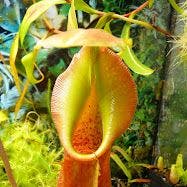
Nepenthes ampullaria
By the Greg Editorial Team
Oct 18, 2024•5 min read
This article was created with the help of AI so we can cover more plants for you. May contain errors. See one? Report it here.
Master the secrets to preventing leaf drop 🌱 and keep your pitcher plants thriving with expert care tips!
- 🌱 Dropping leaves indicate distress; check for drooping, browning, or yellowing signs.
- 💧 Consistent watering is essential; both overwatering and underwatering cause leaf drop.
- ☀️ Bright, indirect sunlight and humidity are crucial for healthy pitcher plants.
Diagnosing Leaf Drop
🌿 Identifying Symptoms of Leaf Drop
Dropping leaves on your pitcher plant can be alarming. Look for visual signs like drooping, browning, or yellowing leaves, which indicate distress.
Understanding the difference between healthy and unhealthy pitchers is crucial. Healthy pitchers are firm and vibrant, while unhealthy ones may appear limp or discolored.
🌡️ Assessing Environmental Conditions
Next, assess the environmental conditions surrounding your plant. Check the temperature and humidity levels, as both play a significant role in leaf health.
Light exposure is another critical factor. Ensure your pitcher plant receives adequate light, as insufficient sunlight can lead to weak, unhealthy leaves.
🐛 Checking for Pests and Diseases
Regular inspections are vital for early detection of pests and diseases. Look closely at the leaves and stems for any signs of infestation.
Common pests like aphids or spider mites can severely affect leaf health. Identifying these pests early can save your plant from further damage.
💧 Evaluating Watering Practices
Consistent watering schedules are essential for pitcher plants. Both overwatering and underwatering can lead to leaf drop, so finding the right balance is key.
Signs of overwatering include yellowing leaves and root rot, while underwatering often results in crispy, brown edges. Pay attention to your plant's needs to keep it thriving.
Preventing Leaf Drop
🌱 Ideal Growing Conditions for Pitcher Plants
To keep your pitcher plants thriving, aim for a temperature range of 70°F to 85°F (21°C to 29°C). Humidity levels should ideally be between 50% and 70% to mimic their natural habitat.
Light is crucial for optimal growth. Pitcher plants thrive in bright, indirect sunlight, so placing them near a window with filtered light is ideal.
💧 Proper Watering Techniques
Establish a consistent watering routine. Water your pitcher plants when the top inch of soil feels dry, typically every 1-2 weeks.
Using distilled or rainwater is essential. Tap water can contain minerals that harm these sensitive plants.
🌿 Nutrient Management
For healthy growth, use a balanced fertilizer designed for carnivorous plants. A diluted solution every 4-6 weeks during the growing season will provide essential nutrients.
Feeding should be tailored to the plant's needs. Observe your pitcher plants and adjust the schedule based on their growth and health.
🐞 Pest Prevention Strategies
Regular monitoring is key to preventing pest infestations. Check your plants weekly for signs of pests like aphids or spider mites.
Consider companion planting or using natural deterrents. Plants like marigolds can help keep pests at bay, creating a healthier environment for your pitcher plants.
By implementing these preventive measures, you can significantly reduce the risk of leaf drop and ensure your pitcher plants remain vibrant and healthy. Next, let’s explore how to treat dropping leaves effectively.
Treating Dropping Leaves
Immediate Actions to Take When Leaves Drop 🌱
When you notice leaves dropping from your pitcher plant, the first step is to assess the cause. Look for signs of environmental stress, such as temperature fluctuations or inadequate humidity.
Adjusting environmental conditions promptly can make a significant difference. Ensure your plant is in a stable environment that meets its needs.
Adjusting Care Routines 💧
Next, modify your watering and feeding schedules based on the symptoms observed. If the plant appears underwatered, increase the frequency, but do so gradually.
Making gradual changes is crucial to avoid further stress. Sudden shifts can shock the plant, leading to more leaf drop.
Rehabilitating Affected Plants 🌿
Reviving stressed pitcher plants requires specific techniques. Start by providing optimal light and humidity, as these factors are vital for recovery.
Patience and observation are key during this process. Monitor your plant closely for signs of improvement, and be ready to adjust care as needed.
When to Prune or Remove Damaged Leaves ✂️
Pruning can be beneficial when dealing with damaged leaves. Aim to remove dead or unhealthy foliage to encourage new growth.
Timing is essential; prune during the plant's active growth phase for the best results. This practice not only improves appearance but also helps the plant focus its energy on healthy leaves.
By following these steps, you can effectively treat dropping leaves and promote a healthier pitcher plant. Next, let's explore long-term care strategies to maintain vibrant foliage.
Long-term Care for Healthy Leaves
🌱 Best Practices for Maintaining Leaf Health
Regularly monitor your pitcher plant's environmental conditions. This ensures that any changes are promptly addressed, keeping your plant thriving.
Consistency is key in your care routine. Establishing a reliable schedule for watering, feeding, and light exposure helps maintain leaf health.
📊 Regular Monitoring and Adjustments
Keep a care journal to track changes and adjustments. This practice not only helps you remember what works but also highlights patterns in your plant's health.
Being observant for early signs of stress can save your plant from more significant issues. Look for subtle changes in leaf color or texture as indicators.
💧 Importance of Humidity and Light
Maintaining optimal humidity levels is crucial for pitcher plants. Use trays filled with water or humidifiers to create a suitable environment.
Adjust light exposure based on seasonal changes. Your plant may need more light in the spring and summer, while less light is beneficial in the fall and winter.
🌿 Choosing the Right Soil and Potting Methods
Select the right soil types for your pitcher plants, such as sphagnum moss or peat. These materials provide the necessary drainage and acidity that pitcher plants thrive in.
Pay attention to pot size and drainage. A pot that’s too small can restrict root growth, while proper drainage prevents waterlogging, promoting a healthy root system.
Maintaining these long-term care practices will help ensure your pitcher plants remain vibrant and healthy. As you nurture them, you'll develop a deeper connection and understanding of their unique needs.
⚠️ Safety First
This content is for general information and may contain errors, omissions, or outdated details. It is not medical, veterinary advice, or an endorsement of therapeutic claims.
Always consult a qualified healthcare professional before using any plant as food, medicine, or supplement.
Never eat any plant (or feed one to pets) without confirming its identity with at least two trusted sources.
If you suspect poisoning, call Poison Control (800) 222-1222, the Pet Poison Helpline (800) 213-6680, or your local emergency service immediately.
Spotted an error? Please report it here.
Keep your pitcher plant thriving 🌿 by using Greg's tailored reminders and expert tips to master optimal light and watering routines for vibrant, healthy leaves!