What to Do About Your Pitcher Plant Wilting 🪴
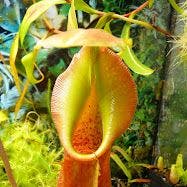
Nepenthes ampullaria
By the Greg Editorial Team
Oct 18, 2024•5 min read
This article was created with the help of AI so we can cover more plants for you. May contain errors. See one? Report it here.
Transform your wilting Pitcher Plant 🌱 into a thriving beauty with expert tips on diagnosis and care!
- 💧 Wilting in Pitcher Plants often results from under-watering or over-watering.
- 🌡️ Heat stress causes wilting and browning; provide shade or cooler conditions.
- 🌱 Regular monitoring of moisture and environment prevents future wilting issues.
Common Causes of Wilting Leaves
💧 Water Stress
Water stress is a primary culprit behind wilting leaves in Pitcher Plants. Both insufficient and excessive watering can lead to drooping leaves, dry soil, or overly saturated conditions.
When the soil is too dry, the plant struggles to absorb moisture, leading to wilting. Conversely, over-watering can suffocate roots, causing similar symptoms.
🌡️ Heat Stress
High temperatures can significantly impact the health of your Pitcher Plant. Symptoms of heat stress include wilting, browning leaf edges, and a noticeable loss of turgor.
If your plant is exposed to intense sunlight for prolonged periods, it may become overwhelmed and start to show these signs.
🦠 Disease-Related Wilting
While disease-related wilting is rare in Pitcher Plants, it can occur. Common signs include yellowing leaves, mushy stems, and unusual spots on the foliage.
Before jumping to conclusions about disease, it’s crucial to rule out other causes like water or heat stress. This careful assessment can save your plant from unnecessary treatment.
Diagnosing Wilting
🕵️♂️ Step-by-Step Guide to Diagnose Wilting
Diagnosing wilting in your Pitcher Plant starts with assessing your watering habits. Check the soil moisture levels; is it too dry or overly saturated?
Next, evaluate the environmental conditions. High temperatures and low humidity can stress your plant, leading to wilting.
Inspect the plant closely for any signs of pests or disease. Look for unusual spots or discoloration that could indicate a problem.
Finally, check for root health. Gently remove the plant from its pot to inspect the roots for any signs of rot or damage.
🔍 Identifying Symptoms and Environmental Factors
Correlating symptoms with potential causes is crucial for effective diagnosis. For instance, drooping leaves may indicate water stress, while browning edges could signal heat stress.
Maintaining a consistent environment is key to your plant's health. Fluctuations in temperature and humidity can exacerbate wilting, so aim for stability in your care routine.
By following these steps, you can pinpoint the cause of wilting and take appropriate action to revive your Pitcher Plant. Next, let’s explore effective solutions to address these issues.
Solutions for Wilting
🌊 Addressing Water Stress
Water stress is a common culprit behind wilting in Pitcher Plants. For under-watering, the best approach is gradual rehydration through bottom watering, which allows the roots to absorb moisture without overwhelming them.
On the flip side, if over-watering is the issue, let the soil dry out before watering again. Improving drainage can also help prevent future waterlogging.
🔥 Managing Heat Stress
High temperatures can wreak havoc on your Pitcher Plants. To combat heat stress, consider relocating your plant to a cooler area or providing shade during peak sunlight hours.
Adjusting humidity levels can also help mitigate temperature fluctuations, creating a more stable environment for your plant.
🦠 Solutions for Disease-Related Wilting
While disease-related wilting is rare in Pitcher Plants, it’s essential to act quickly if you suspect an issue. Start by removing any affected leaves to prevent the spread of disease and improve air circulation around the plant.
If necessary, using fungicides can be effective, but always follow the label instructions for safe application.
🌱 Techniques for Reviving a Wilted Plant
Reviving a wilted Pitcher Plant can be straightforward if you follow these steps:
- Assess the extent of wilting to determine the severity.
- Implement bottom watering techniques to rehydrate the plant gradually.
- Temporarily relocate the plant to a more suitable environment with better conditions.
- Prune any damaged leaves to encourage new growth.
These methods can help restore your plant's vitality and prevent future wilting issues.
With these solutions in hand, you can tackle wilting effectively and keep your Pitcher Plant thriving. Next, let’s explore preventive measures to minimize future wilting.
Preventive Measures
Best Practices to Minimize Future Wilting 🌱
To keep your Pitcher Plant thriving, regular monitoring of soil moisture is essential. Check the soil frequently to ensure it’s neither too dry nor overly saturated.
Implementing a consistent watering schedule tailored to your plant's needs can make a world of difference. This helps prevent the extremes of under-watering and over-watering that lead to wilting.
Environmental Adjustments 🌤️
Maintaining optimal humidity and temperature is crucial for your plant's health. Aim for a humid environment, as Pitcher Plants thrive in moisture-rich conditions.
Using appropriate soil mixes is equally important. Choose a mix that retains moisture without becoming waterlogged, ensuring your plant has the right balance for healthy growth.
By following these preventive measures, you can significantly reduce the risk of wilting in your Pitcher Plant. This proactive approach sets the stage for a vibrant, flourishing plant that brings joy to your space.
Next, let’s explore when it might be time to seek expert assistance for your wilting plant.
When to Seek Help
🚨 Signs That Require Expert Assistance
Sometimes, despite your best efforts, your pitcher plant may continue to wilt. If you notice persistent wilting even after adjusting care routines, it’s time to consider seeking professional help.
Look for signs of severe disease, such as yellowing leaves or mushy stems. Additionally, if you spot pests like aphids or spider mites, don’t hesitate to reach out for assistance.
📚 Resources for Assistance
Local nurseries can be a treasure trove of knowledge. They often have experienced staff who can provide tailored advice for your specific situation.
Online communities, like Greg, are also fantastic resources. Engaging with fellow plant enthusiasts can offer new insights and support as you navigate your plant care journey.
By knowing when to seek help, you can ensure your pitcher plant gets the care it needs to thrive. Now, let’s explore some preventive measures to keep your plant healthy in the long run.
⚠️ Safety First
This content is for general information and may contain errors, omissions, or outdated details. It is not medical, veterinary advice, or an endorsement of therapeutic claims.
Always consult a qualified healthcare professional before using any plant as food, medicine, or supplement.
Never eat any plant (or feed one to pets) without confirming its identity with at least two trusted sources.
If you suspect poisoning, call Poison Control (800) 222-1222, the Pet Poison Helpline (800) 213-6680, or your local emergency service immediately.
Spotted an error? Please report it here.
Revive your wilting Pitcher Plant by understanding its needs and using Greg's custom watering reminders 🌿 to create the perfect environment for thriving growth!