Ultimate Guide to Pitcher Plant Lifecycle
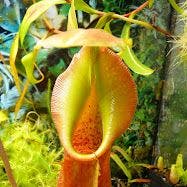
Nepenthes ampullaria
By the Greg Editorial Team
Oct 18, 2024•5 min read
This article was created with the help of AI so we can cover more plants for you. May contain errors. See one? Report it here.
Unlock the secrets of pitcher plants 🌱 and master their care from seed to stunning bloom!
- 🌱 Pitcher plant seeds need warmth, humidity, and light for successful germination.
- 🌼 Flowering lasts 2-4 weeks, crucial for pollination and seed development.
- 🌿 Understanding the lifecycle stages is key for effective cultivation and care.
Seed and Germination Stage
Seed Structure and Characteristics 🌱
Pitcher plant seeds are small and lightweight, often featuring wings that aid in wind dispersal. These seeds can vary significantly between species, showcasing different sizes and shapes that reflect their unique adaptations.
Germination Process and Conditions 🌡️
For successful germination, pitcher plant seeds thrive in warm temperatures ranging from 20-30°C (68-86°F). High humidity and light exposure are crucial, and seeds should be surface-sown on a well-draining medium, lightly misted to maintain moisture.
Duration of the Germination Stage ⏳
Typically, germination takes about 2-4 weeks, but this can vary based on species and environmental conditions. Key factors influencing success include moisture levels, temperature stability, and light availability, all of which play a vital role in nurturing these delicate seeds.
As we move forward, understanding the seedling stage will reveal how these tiny seeds transform into robust plants ready to thrive in their environments.
Seedling Stage
🌱 Characteristics of the Seedling Stage
In the seedling stage, pitcher plants showcase small, delicate leaves that are just beginning to form their iconic pitcher structures. This early growth is crucial as it sets the foundation for the plant's future nutrient uptake.
🌳 Importance of Root Establishment
Establishing a strong root system is vital for the seedling's health. Roots not only anchor the plant but also absorb essential nutrients and water from the soil.
🌞 Environmental Requirements for Seedlings
Optimal Light Conditions
Seedlings thrive in bright, indirect light. This helps prevent leaf scorching while providing the energy needed for growth.
💧 Watering Needs
Maintaining consistent moisture is key. The soil should be kept moist but not waterlogged, striking a balance that promotes healthy development.
⏳ Duration of the Seedling Stage
The seedling stage typically lasts about 3-6 months. During this time, seedlings should develop several true leaves and show initial pitcher formation, indicating they are ready for transplanting.
✅ Indicators of Readiness
Look for robust growth and the emergence of true leaves as signs that your seedlings are maturing. These indicators signal that they are prepared to move on to the next stage of their lifecycle.
As seedlings transition into the vegetative growth stage, they will undergo significant changes that enhance their growth and adaptability.
Vegetative Growth Stage
Description of Vegetative Growth 🌱
During the vegetative growth stage, pitcher plants exhibit rapid leaf production. This phase is characterized by the expansion of pitcher structures, which are crucial for their survival.
Different species display unique growth habits. Some may vine, stretching towards the light, while others grow upright, showcasing their striking pitchers.
Changes in Leaf Structure and Function 🍃
As pitcher plants mature, they transition from juvenile to adult leaves. This change brings increased size and complexity to the pitchers, enhancing their ability to trap insects.
The functionality of these pitchers is vital. They adapt to efficiently absorb nutrients, making them essential for the plant's overall health.
Duration of the Vegetative Growth Stage ⏳
Typically, the vegetative growth stage lasts between 1 to 3 years. This duration can vary based on species and environmental conditions.
Several factors influence the growth rate. Light availability, water levels, and nutrient content in the soil play significant roles in determining how quickly a pitcher plant thrives.
As we explore the next stage, the flowering process, we’ll see how these plants shift their energy from growth to reproduction.
Flowering Stage
🌸 Description of the Flowering Process
Flowering marks a pivotal moment in the pitcher plant's lifecycle. During this stage, flower stalks emerge from the center of the plant, showcasing the unique beauty of each species.
Different species exhibit varied flowering habits. Some may produce a single stalk, while others can burst forth with multiple blooms, creating a stunning display.
🐝 Pollination and Fertilization
Pollination is crucial for the continuation of pitcher plants. These plants primarily rely on insects for cross-pollination, making them dependent on their surrounding ecosystem.
Once pollination occurs, the fertilization process begins. Seeds develop within the flower, setting the stage for the next generation of pitcher plants.
⏳ Duration of the Flowering Stage
The flowering stage typically lasts between 2 to 4 weeks. After flowering, the plant enters a seed development phase, which is equally important.
This stage significantly impacts the plant's energy allocation. As resources shift from vegetative growth to reproduction, the overall health and vigor of the plant may fluctuate.
The flowering stage is a fascinating part of the pitcher plant's lifecycle, leading seamlessly into the next phase: seed production and maturation.
Seed Production and Maturation
🌱 Seed Production Process
After fertilization, pitcher plants develop seed pods that house the seeds. These pods are crucial for protecting the seeds as they mature and ensuring successful dispersal.
🌤️ Importance of Environmental Conditions
Environmental conditions play a significant role in seed maturation. Factors like temperature, humidity, and light exposure can greatly influence the success of seed development.
⏳ Maturation Time for Seeds
Typically, it takes about 4-6 weeks for seeds to mature after fertilization. This timeframe can vary based on species and environmental conditions.
🔍 Factors Influencing Seed Viability and Quality
Several factors can impact seed viability and quality. Environmental stressors, such as drought or excessive moisture, along with genetic diversity, are key players in determining the health of the seeds.
🌿 Lifespan of the Pitcher Plant
The average lifespan of a pitcher plant ranges from 5 to 15 years, depending on the species and environmental conditions.
⏲️ Factors Affecting Lifespan
Habitat quality, care practices, and susceptibility to diseases or pests all influence how long a pitcher plant can thrive.
🔄 Notable Changes Throughout Life
As pitcher plants age, their energy allocation shifts from vegetative growth to reproductive efforts. This transition can impact their overall health and vigor, making it essential to provide optimal care throughout their lifecycle.
Understanding these stages not only highlights the resilience of pitcher plants but also emphasizes the importance of their environment. Next, we’ll explore the fascinating flowering stage, where these unique plants showcase their beauty and reproductive strategies.
⚠️ Safety First
This content is for general information and may contain errors, omissions, or outdated details. It is not medical, veterinary advice, or an endorsement of therapeutic claims.
Always consult a qualified healthcare professional before using any plant as food, medicine, or supplement.
Never eat any plant (or feed one to pets) without confirming its identity with at least two trusted sources.
If you suspect poisoning, call Poison Control (800) 222-1222, the Pet Poison Helpline (800) 213-6680, or your local emergency service immediately.
Spotted an error? Please report it here.
Master the pitcher plant lifecycle 🌿 with Greg's tailored care tips and reminders, ensuring your plants flourish from seed to stunning bloom!