6 Advantages of Having a Pitcher Plant 🐜
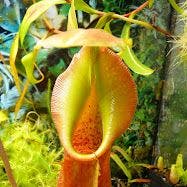
Nepenthes ampullaria
By the Greg Editorial Team
Oct 18, 2024•4 min read
This article was created with the help of AI so we can cover more plants for you. May contain errors. See one? Report it here.
Transform your garden and home with Pitcher Plants—nature's pest control and stunning decor! 🌿✨
- 🌱 Pitcher Plants naturally control pests, eliminating the need for harmful pesticides.
- 🌍 They promote biodiversity and eco-friendly gardening practices in your space.
- 🎨 These unique plants enhance decor, adding striking colors and shapes to any setting.
Unique Pest Control Capabilities
🐞 Natural Pest Management
Pitcher Plants are nature's little pest control agents. They attract and digest insects, offering a chemical-free solution that’s perfect for both gardens and homes.
This natural pest management method not only keeps your space insect-free but also reduces your reliance on harmful pesticides. Imagine a garden thriving without the need for synthetic chemicals!
🌱 Eco-Friendly Gardening
Incorporating Pitcher Plants into your gardening routine promotes sustainable practices. These plants contribute to biodiversity, creating a more vibrant ecosystem.
By controlling pest populations, they help maintain a balanced environment. This eco-friendly approach not only benefits your garden but also supports the health of the planet.
With Pitcher Plants, you’re not just beautifying your space; you’re also making a positive impact on the environment. Ready to explore more benefits? Let’s dive into their aesthetic appeal next!
Aesthetic Appeal in Home Decor
Unique Houseplants 🌱
Pitcher Plants are not just plants; they are vibrant, living art pieces. Their striking colors and unique shapes make them standout additions to any indoor space, effortlessly drawing the eye.
These plants fit seamlessly into various decor styles, whether your home leans modern, rustic, or somewhere in between. They add a touch of nature that complements your aesthetic beautifully.
Decorative Arrangements 🪴
Incorporating Pitcher Plants into your decor is easy and versatile. They thrive in terrariums, where their unusual forms can be showcased alongside other plants, creating a mini-ecosystem.
Alternatively, they can serve as standalone features, enhancing the visual appeal of home gardens or indoor settings. Their presence not only beautifies your space but also sparks conversations about their fascinating nature.
With Pitcher Plants, you can elevate your home decor while embracing the wonders of the natural world. This unique aesthetic can inspire a deeper appreciation for plant life and its role in our environment.
Educational Value for Children and Adults
Learning Opportunities 🌱
Pitcher Plants are not just fascinating; they ignite curiosity in children about plant biology and ecosystems. Their unique characteristics make them perfect for sparking discussions about how plants adapt to their environments.
Adults can dive deeper into the world of carnivorous plants, exploring topics like adaptations and nutrient acquisition. This exploration can lead to a greater appreciation for nature's complexities.
Hands-On Experience 👐
Caring for Pitcher Plants offers a hands-on learning experience that encourages observation and interaction. This practical approach makes them an excellent educational tool for both kids and adults alike.
By engaging with these plants, learners can witness firsthand the intricacies of plant life, fostering a deeper connection to the natural world. This interaction not only enhances knowledge but also cultivates a sense of responsibility towards the environment.
As we explore the next section, we'll uncover how Pitcher Plants contribute to biodiversity and ecosystem health, further highlighting their importance in our gardens and beyond.
Contribution to Biodiversity and Ecosystem Health
🌱 Habitat Support
Pitcher Plants are more than just fascinating flora; they create unique habitats for various organisms. By providing shelter and resources, they contribute significantly to local biodiversity.
These plants support beneficial insects and microorganisms that thrive in their specialized environments. This interaction fosters a rich ecosystem, making your garden a vibrant hub of life.
🌍 Conservation Awareness
Growing Pitcher Plants also plays a crucial role in raising awareness about the importance of preserving native habitats. As you nurture these plants, you become part of a larger conversation about ecosystem health.
Their presence in gardens can spark curiosity and discussions about conservation efforts. This awareness can lead to more sustainable gardening practices and a deeper appreciation for our natural world.
With each Pitcher Plant you cultivate, you're not just enhancing your garden; you're contributing to a healthier planet. This small act can inspire others to consider the impact of their gardening choices, creating a ripple effect of positive change.
As we explore the cultural significance of Pitcher Plants next, we’ll see how they resonate beyond just their ecological benefits.
Cultural Significance and Symbolism
🌱 Cultural Symbolism
Pitcher Plants symbolize resilience, thriving in harsh environments where few others can survive. Their ability to flourish in nutrient-poor soils serves as a powerful metaphor for overcoming challenges and adapting to change.
📜 Historical and Modern Interpretations
Historically, some indigenous cultures have utilized Pitcher Plants in traditional medicine, showcasing their practical value. Today, there's a growing interest in these unique plants within contemporary gardening and eco-conscious communities, highlighting their role in sustainable practices.
As we explore the cultural significance of Pitcher Plants, we see how they not only beautify our spaces but also inspire us to appreciate the delicate balance of nature. This appreciation can lead us to the next advantage: their contribution to biodiversity and ecosystem health.
⚠️ Safety First
This content is for general information and may contain errors, omissions, or outdated details. It is not medical, veterinary advice, or an endorsement of therapeutic claims.
Always consult a qualified healthcare professional before using any plant as food, medicine, or supplement.
Never eat any plant (or feed one to pets) without confirming its identity with at least two trusted sources.
If you suspect poisoning, call Poison Control (800) 222-1222, the Pet Poison Helpline (800) 213-6680, or your local emergency service immediately.
Spotted an error? Please report it here.
Transform your space with Pitcher Plants' beauty and eco-friendly benefits 🌿 while Greg provides tailored care tips to help you cultivate a thriving garden!