Identifying Bugs on Your Pitcher Plant 🐞
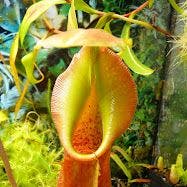
Nepenthes ampullaria
By the Greg Editorial Team
Oct 18, 2024•6 min read
This article was created with the help of AI so we can cover more plants for you. May contain errors. See one? Report it here.
Keep your pitcher plants thriving 🌱 by mastering pest identification and treatment with these essential tips!
- 🐛 Identify common pests like spider mites and aphids to protect your pitcher plants.
- 🌱 Recognize damage signs such as yellowing leaves and sticky residue for early detection.
- 🌿 Use organic treatments like neem oil for eco-friendly pest control options.
Common Pests Affecting Pitcher Plants
🕷️ Spider Mites
Identification
Spider mites are tiny, spider-like creatures often lurking on the undersides of leaves. Look for fine webbing and stippled leaves as telltale signs of their presence.
Damage Caused
These pests can cause yellowing and browning of leaves, ultimately reducing the plant's vigor. If left unchecked, they can significantly weaken your pitcher plant.
Treatment Options
For chemical solutions, consider using miticides specifically formulated for spider mites. Alternatively, organic options like neem oil or insecticidal soap can effectively manage these pests.
🐞 Scale Insects
Identification
Scale insects are small, oval-shaped pests that appear as bumps on stems and leaves. You might notice sticky leaves due to honeydew secretion, a clear sign of their activity.
Damage Caused
These insects weaken plants by sucking sap, which can lead to stunted growth. If your pitcher plant seems to be lagging, scale insects could be the culprit.
Treatment Options
Systemic insecticides are effective chemical treatments for scale insects. For an organic approach, use rubbing alcohol on a cotton swab to remove the scales manually.
🦟 Fungus Gnats / Fruit Flies
Identification
Fungus gnats are small, dark flies that hover around the soil surface. You may also spot larvae in the soil, which indicates a more significant problem.
Damage Caused
The larvae feed on roots, causing root rot and overall plant stress. This can lead to serious health issues for your pitcher plant.
Treatment Options
Chemical insecticides targeting flying insects can help control fungus gnats. On the organic side, allow the soil to dry out between waterings and use yellow sticky traps to catch them.
🐛 Mealybugs
Identification
Mealybugs appear as white, cottony masses on leaves and stems. Sticky leaves and potential sooty mold growth are common signs of their infestation.
Damage Caused
These sapsucking pests weaken plants and can lead to fungal infections. If you notice a decline in your plant's health, mealybugs might be to blame.
Treatment Options
Insecticidal sprays are a reliable chemical option for treating mealybugs. For a more organic solution, consider using neem oil or introducing natural predators like ladybugs.
🐜 Aphids
Identification
Aphids are small, green or black insects that cluster on new growth. Look for curling leaves and sticky residue as indicators of their presence.
Damage Caused
These pests can cause leaf distortion and even transmit plant viruses. Early detection is key to preventing serious damage.
Treatment Options
Broad-spectrum insecticides can effectively eliminate aphids. Alternatively, water sprays can dislodge them, or you can use insecticidal soap for an organic approach.
🦋 Whiteflies
Identification
Whiteflies are tiny white insects that fly up when the plant is disturbed. Yellowing leaves and sticky residue are common signs of their activity.
Damage Caused
These sapsucking pests weaken plants and can lead to sooty mold. If your pitcher plant is looking unhealthy, whiteflies may be the issue.
Treatment Options
Systemic insecticides are effective against whiteflies. For organic control, yellow sticky traps and insecticidal soap can help manage their population.
🐞 Weevils
Identification
Weevils are small beetles characterized by their elongated snouts. Look for holes in leaves and potential leaf drop as signs of their presence.
Damage Caused
The larvae feed on roots, leading to plant instability. This can be particularly damaging for pitcher plants, which rely on healthy roots for nourishment.
Treatment Options
Insecticides targeting beetles are a chemical option for weevil control. For organic methods, handpicking and using beneficial nematodes can be effective strategies.
Understanding these common pests is crucial for maintaining the health of your pitcher plants. By identifying and treating these issues promptly, you can ensure your plants thrive. Next, let’s explore natural pest resistance and how pitcher plants fend off these invaders.
Pest Resistance
Natural Pest Resistance 🦗
Pitcher plants boast unique adaptations that help them fend off pests. Their tubular leaves are designed to trap insects, which not only aids in nutrient absorption but also deters some unwanted visitors.
These plants thrive in nutrient-poor wetlands, creating an environment that limits pest populations. This natural habitat plays a crucial role in keeping certain pests at bay, allowing pitcher plants to flourish.
Less Likely Affected Pests 🐛
Interestingly, some pests like caterpillars and beetles are less common around pitcher plants. The plant's insect-trapping abilities make it a challenging environment for these pests to thrive.
By understanding these natural defenses, you can appreciate how pitcher plants maintain their health and vigor. This knowledge empowers you to cultivate a thriving pitcher plant garden with fewer pest-related worries.
Prevention
🛡️ Preventative Measures
Regular inspections are your first line of defense against pests. Look for early signs, such as discoloration or unusual spots, to catch issues before they escalate.
Maintaining optimal growing conditions is equally crucial. Healthy plants are less susceptible to pests, so ensure they have the right light, humidity, and nutrients.
🧼 Plant Hygiene Tips
Keep your plants clean by removing dead leaves and debris. This not only improves aesthetics but also eliminates potential hiding spots for pests.
Don’t forget to clean your pots and tools regularly. This simple step can prevent the transfer of pests from one plant to another.
🔍 Regular Inspection Routines
Make it a habit to check your plants weekly for any signs of trouble. Early detection can save you a lot of headaches down the line.
Document any changes in plant health or appearance. Keeping a record helps you spot trends and react promptly to any issues that arise.
By implementing these preventative measures, you can significantly reduce the risk of pest infestations. Next, let’s explore general pest management strategies to keep your pitcher plants thriving.
General Pest Management
🌱 Integrated Pest Management (IPM) Principles
Integrated Pest Management (IPM) is a holistic approach to pest control that combines cultural, biological, and chemical methods. This strategy emphasizes the importance of monitoring and accurately identifying pests before taking action, ensuring that interventions are both effective and environmentally responsible.
🔍 Importance of Early Detection
Early detection is crucial in managing pests effectively. A quick response to pest sightings can prevent larger infestations, saving your pitcher plants from significant damage.
Regular monitoring not only helps in spotting pests but also maintains the overall health and vigor of your plants. By keeping a close eye on your plants, you can catch issues before they escalate, ensuring a thriving garden.
Incorporating these pest management strategies will empower you to protect your pitcher plants effectively. Next, we’ll explore how to distinguish between similar pests, enhancing your identification skills even further.
Distinguishing Between Similar Pests
Identification Tips 🕵️♂️
When identifying pests on your pitcher plant, start by comparing their size, color, and behavior. A magnifying glass can be a game-changer, revealing details that are otherwise easy to miss.
Visual Cues 👀
Pay attention to the feeding patterns and types of damage caused by different pests. Documenting these differences can help you pinpoint the specific invader wreaking havoc on your plant.
Utilizing Pest Pictures 📸
Having a reference library of pest images can be incredibly helpful. This visual aid allows for accurate identification, ensuring you tackle the right problem effectively.
Understanding these distinctions not only empowers you as a plant caretaker but also enhances your ability to maintain a healthy pitcher plant. With this knowledge, you can transition smoothly into effective pest management strategies.
⚠️ Safety First
This content is for general information and may contain errors, omissions, or outdated details. It is not medical, veterinary advice, or an endorsement of therapeutic claims.
Always consult a qualified healthcare professional before using any plant as food, medicine, or supplement.
Never eat any plant (or feed one to pets) without confirming its identity with at least two trusted sources.
If you suspect poisoning, call Poison Control (800) 222-1222, the Pet Poison Helpline (800) 213-6680, or your local emergency service immediately.
Spotted an error? Please report it here.
Protect your pitcher plants from pesky invaders 🐞 by using Greg's tailored pest identification and care tips to keep them thriving and healthy!