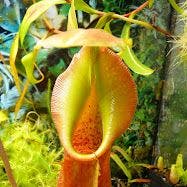
Best Spots to Plant Your Pitcher Plant 🏺
Nepenthes ampullaria
By the Greg Editorial Team
Oct 18, 2024•3 min read
This article was created with the help of AI so we can cover more plants for you. May contain errors. See one? Report it here.
Create a thriving pitcher plant paradise 🌱 by mastering their sunlight, soil, and drainage needs for optimal growth!
- ☀️ Pitcher plants need 6-8 hours of sunlight; adjust for shade-loving varieties.
- 🌱 Use sphagnum moss or peat for optimal soil conditions; avoid fertilizers.
- 🌬️ Ensure good airflow and drainage to prevent root rot and promote healthy growth.
Ideal Locations for Pitcher Plant
☀️ Sunlight Exposure Requirements
Pitcher plants thrive in specific light conditions. Sarracenia prefers full sun, needing 6 to 8 hours of direct sunlight daily, while Nepenthes can tolerate partial shade, requiring about 4 to 6 hours.
To assess light intensity, consider using a light meter or simply observe your plants. If you notice elongated stems or pale coloration, your plants might not be getting enough light.
Seasonal variations in sunlight can also impact growth. Be prepared to adjust your plant placement as the sun's angle changes throughout the year.
🌱 Soil Type Preferences
The right soil is crucial for your pitcher plants. They thrive in sphagnum moss or peat-based mixes, which provide the low-nutrient, acidic environment they crave, ideally with a pH between 4.5 and 6.0.
When it comes to soil amendments, avoid fertilizers. Instead, stick to pure sphagnum or peat, as organic matter helps retain moisture.
Testing your soil conditions is essential. Use soil testing kits to check pH and nutrient levels, ensuring your plants have the best possible environment.
🌿 Proximity to Other Plants or Structures
Companion planting can significantly affect your pitcher plants' health. Avoid placing them near aggressive plants that compete for resources. Instead, consider pairing them with other carnivorous plants or moisture-loving species.
Distance from structures is also important. Ensure your pitcher plants receive adequate airflow and sunlight, steering clear of shaded areas created by buildings or fences.
📍 Assessing the Best Spot
Evaluating your garden layout is the first step in finding the ideal spot for your pitcher plants. Map out your garden areas and identify potential planting zones that receive the right amount of sunlight.
Creating a microclimate can enhance growth. Utilize walls or fences to provide warmth and group plants together to boost humidity levels.
💧 Drainage Considerations
Proper drainage is vital for the health of your pitcher plants. Waterlogged conditions can lead to root rot and plant stress, so understanding this risk is key.
For ideal drainage setups, consider using raised beds or mounds to facilitate better water flow. Incorporating coarse materials like perlite into your soil mixes can also help.
To enhance drainage further, amend your soil with sand or perlite, and create drainage layers in pots. This will ensure your pitcher plants thrive in their new homes.
With these considerations in mind, you're well on your way to creating the perfect environment for your pitcher plants. Next, let’s explore how to care for them once they’re planted!
⚠️ Safety First
This content is for general information and may contain errors, omissions, or outdated details. It is not medical, veterinary advice, or an endorsement of therapeutic claims.
Always consult a qualified healthcare professional before using any plant as food, medicine, or supplement.
Never eat any plant (or feed one to pets) without confirming its identity with at least two trusted sources.
If you suspect poisoning, call Poison Control (800) 222-1222, the Pet Poison Helpline (800) 213-6680, or your local emergency service immediately.
Spotted an error? Please report it here.
Give your pitcher plants the perfect home 🌱 with Greg's tailored care reminders and tips for sunlight, soil, and drainage to help them flourish!