🥤 Humidity Needs for Your Pitcher Plant
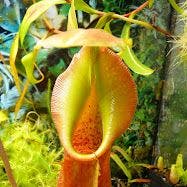
Nepenthes ampullaria
By the Greg Editorial Team
Oct 18, 2024•5 min read
This article was created with the help of AI so we can cover more plants for you. May contain errors. See one? Report it here.
Boost your pitcher plants' health 🌱 by mastering humidity levels for vibrant growth and stunning blooms!
- 🌧️ Nepenthes thrive at 60-80% humidity, while Sarracenia prefers 50-70%.
- 🌿 Monitor local humidity with hygrometers for optimal pitcher plant care.
- 💧 Boost humidity using trays, misting, or grouping plants together effectively.
Ideal Humidity Levels for Different Pitcher Plant Species
🌧️ Nepenthes Humidity Requirements
Nepenthes, commonly known as tropical pitcher plants, thrive in humidity levels ranging from 60% to 80%. This high humidity is crucial for their growth and overall health.
Specific Species Examples
Take Nepenthes alata, for instance. This species prefers the upper end of that humidity range, making it essential to replicate its native environment for optimal care.
🌬️ Sarracenia Humidity Needs
On the other hand, Sarracenia, or North American pitcher plants, require slightly lower humidity levels, ideally between 50% and 70%. These plants are more adaptable to varying conditions but still benefit from adequate moisture.
Specific Species Examples
Sarracenia purpurea showcases remarkable adaptations to its humid habitat. Its structure allows it to thrive even when humidity dips, but consistent moisture is still key for its vitality.
🌱 Adaptations to Native Humid Environments
Both Nepenthes and Sarracenia have evolved unique traits to survive in their respective humid environments. Understanding these adaptations can guide you in providing the right care for each species.
By tailoring your approach based on these humidity needs, you can ensure your pitcher plants flourish. Next, let’s explore how to assess local humidity conditions effectively.
Local Humidity Considerations
Assessing Local Humidity Conditions 🌧️
Understanding your local humidity is crucial for the health of your pitcher plants. Tools like hygrometers and weather apps can provide accurate readings, helping you gauge the moisture levels in your environment.
Seasonal variations can significantly impact humidity. Monitor these changes to adjust your care routine effectively, ensuring your plants thrive year-round.
Impact of Local Climate on Pitcher Plant Care 🌍
Different climates—tropical, temperate, and arid—affect humidity levels and, consequently, the health of your pitcher plants. Tropical climates typically offer high humidity, ideal for species like Nepenthes, while temperate zones may require more careful management.
Adapting your care based on local conditions is essential. For instance, indoor growing may necessitate additional humidity-boosting strategies, while outdoor plants might benefit from natural moisture. Understanding these dynamics will help you provide the best care for your pitcher plants.
As you navigate the humidity needs of your plants, consider how local conditions shape their growth. This awareness will empower you to create an optimal environment, setting the stage for vibrant, healthy pitcher plants.
Strategies for Boosting Humidity
🌊 Using Humidity Trays
Humidity trays are a simple yet effective way to boost moisture levels around your pitcher plants. These shallow trays filled with water and pebbles create a localized humid environment that mimics their natural habitat.
To set up a humidity tray, fill a shallow container with pebbles and add water until it just touches the top of the pebbles. Place your pitcher plant pot on top, ensuring the bottom doesn’t sit in the water. Regularly check the water level and refill as needed to maintain humidity.
💦 Misting Techniques
Misting is another easy method to temporarily increase humidity. It mimics natural conditions, providing a quick moisture boost that pitcher plants appreciate.
For best results, mist your plants early in the morning or late in the afternoon. This timing allows the moisture to evaporate slowly, preventing excess water from sitting on the leaves, which can lead to mold.
💧 Humidifiers and Their Effectiveness
Humidifiers can be a game-changer for maintaining optimal humidity levels. You can choose between cool mist and warm mist humidifiers, both of which can benefit your pitcher plants.
When using a humidifier, place it near your plants but not directly on them. Regular maintenance, such as cleaning the unit, ensures it operates effectively and provides consistent humidity.
🌱 Grouping Plants for Humidity
Grouping your pitcher plants together can create a micro-humid environment. This strategy takes advantage of the moisture released by each plant, enhancing overall humidity.
Aim to cluster a few plants together, leaving enough space for air circulation. This not only boosts humidity but also creates a visually appealing display in your growing area.
By implementing these strategies, you can create a thriving environment for your pitcher plants, ensuring they receive the humidity they need to flourish. Next, we’ll explore how to reduce humidity when it becomes excessive, keeping your plants healthy and happy.
Strategies for Reducing Humidity
🌬️ Ventilation Techniques
Airflow is crucial for preventing mold and mildew in high humidity conditions. By using fans or simply opening windows, you can significantly improve air circulation around your pitcher plants.
🪴 Choosing the Right Potting Mix
Selecting a potting mix that promotes drainage is essential for reducing excess moisture. Materials like sphagnum moss and perlite are excellent choices, as they help maintain the right balance of moisture without suffocating the roots.
📏 Monitoring Moisture Levels
To keep track of soil moisture, consider using soil moisture meters. These handy tools can help you identify when your plants are overwatered, allowing you to adjust your watering practices accordingly.
By implementing these strategies, you can create a healthier environment for your pitcher plants, ensuring they thrive without the stress of excess humidity. Next, let’s explore common humidity-related problems and how to tackle them effectively.
Common Humidity-Related Problems
🌵 Signs of Low Humidity Stress
Low humidity can be a silent killer for your pitcher plants. Watch for symptoms like brown leaf tips, wilting, and a noticeable drop in pitcher formation.
If you spot these signs, act quickly. Increase humidity levels by misting or using humidity trays to revive your plants.
💧 Solutions for High Humidity Issues
High humidity can lead to its own set of problems. Look out for mold growth, root rot, and pest infestations as telltale signs of excessive moisture.
To combat high humidity, ensure proper ventilation. Use fans or open windows to improve airflow and keep your plants healthy.
⚠️ Safety First
This content is for general information and may contain errors, omissions, or outdated details. It is not medical, veterinary advice, or an endorsement of therapeutic claims.
Always consult a qualified healthcare professional before using any plant as food, medicine, or supplement.
Never eat any plant (or feed one to pets) without confirming its identity with at least two trusted sources.
If you suspect poisoning, call Poison Control (800) 222-1222, the Pet Poison Helpline (800) 213-6680, or your local emergency service immediately.
Spotted an error? Please report it here.
Master your pitcher plants' humidity needs 🌧️ with Greg's tailored reminders and tips, ensuring they thrive in their ideal environment!