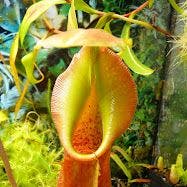
What to Do About Curling Leaves on Your Pitcher Plant 🥤
Nepenthes ampullaria
By the Greg Editorial Team
Oct 18, 2024•5 min read
This article was created with the help of AI so we can cover more plants for you. May contain errors. See one? Report it here.
Revive your pitcher plant's vitality 🌱 by mastering the causes of curling leaves and their quick fixes!
- 🌱 Curling leaves indicate stress from temperature, humidity, or nutrient issues.
- 💧 Maintain humidity above 50% and use distilled water for optimal health.
- 🌞 Provide bright, indirect light to prevent curling from excessive or insufficient sunlight.
Causes of Curling Leaves
🌡️ Environmental Stress Factors
High temperatures can wreak havoc on your pitcher plant. The ideal temperature range is between 20°C to 30°C (68°F to 86°F); anything above can lead to curling leaves.
Low humidity is another culprit. Maintaining humidity levels above 50% is crucial for your plant's health, as dry air can cause leaves to curl and become crispy.
Light exposure plays a significant role too. Too much direct sunlight can scorch the leaves, while insufficient light can lead to weak growth and curling.
🥦 Nutrient Deficiencies
Nutrient deficiencies are common issues that can affect your pitcher plant. Key nutrients like nitrogen, phosphorus, and potassium are essential for healthy growth.
Symptoms of these deficiencies often include yellowing leaves and stunted growth. Remember, pitcher plants thrive on carnivorous feeding habits, which help them absorb these vital nutrients.
🐜 Pest Infestations
Pest infestations can be a nightmare for your plant. Common pests include aphids, spider mites, and mealybugs, all of which can cause significant damage.
Look for signs of infestation such as sticky residue, webbing, and visible insects. These pests can severely impact leaf health and overall plant vigor, so early detection is key.
💧 Improper Watering Techniques
Improper watering techniques can lead to curling leaves as well. Overwatering is a common mistake, leading to root rot and other issues.
On the flip side, underwatering can cause dehydration, resulting in curled leaves. Always use distilled or rainwater to ensure your plant gets the best quality hydration.
Understanding these causes is the first step in addressing curling leaves. Next, we’ll explore how to diagnose the specific issues affecting your pitcher plant.
Diagnosing Curling Leaves
🌿 Identifying Symptoms
Curling leaves on your pitcher plant can be a clear indicator of underlying issues. Pay attention to the type of curl: upward curling often signals stress, while downward curling may suggest dehydration.
Color changes are equally telling. If your vibrant green leaves start turning yellow or brown, it’s time to investigate further.
🔍 Differentiating Between Causes
Understanding whether the curling is due to environmental stress or nutrient deficiency is crucial. Look for signs of stress, like wilting or discoloration, which can indicate issues like high temperatures or low humidity.
On the other hand, nutrient deficiencies often manifest as yellowing leaves and stunted growth. If you notice these symptoms, consider the plant's feeding habits and soil quality.
🐛 Pest Damage vs. Watering Issues
Pests can wreak havoc on your pitcher plant, so be vigilant. Signs of infestation include sticky residue, webbing, or visible insects. If you spot these, it’s likely pests are the culprits behind the curling leaves.
Conversely, improper watering can also lead to curling. Overwatering typically results in root rot, while underwatering shows up as dry, curled leaves. Knowing the difference can help you take the right action.
By carefully observing these symptoms and differentiating between causes, you can effectively diagnose the issue with your pitcher plant. This understanding sets the stage for implementing the right solutions to restore its health.
Solutions for Curling Leaves
🌬️ Adjusting Humidity Levels
Maintaining the right humidity is crucial for your pitcher plant's health. Aim for a humidity range of 50% to 80% to keep those leaves perky.
To boost humidity, consider these methods:
- Humidifiers: A great way to maintain consistent moisture.
- Pebble trays: Place your plant on a tray filled with water and pebbles to create a microenvironment.
- Misting: Lightly misting the leaves can provide a quick humidity boost.
💧 Correcting Watering Practices
Watering practices can make or break your plant's health. Indoor plants typically need watering every 1-2 weeks, while outdoor plants may require more frequent checks.
To ensure you're not over or under-watering, try these techniques:
- Finger test: Stick your finger into the soil about an inch deep. If it feels dry, it’s time to water.
- Moisture meters: These handy tools can help you gauge soil moisture levels accurately.
🌱 Fertilization Tips
Carnivorous plants like pitcher plants thrive on low-nitrogen fertilizers. Look for options specifically designed for these unique species.
Apply fertilizer monthly during the growing season to give your plant the nutrients it craves. This will help prevent nutrient deficiencies that can lead to curling leaves.
🐞 Pest Management Strategies
Pests can wreak havoc on your pitcher plant. Keep an eye out for common culprits like aphids and spider mites.
For organic pest control, consider these methods:
- Neem oil: A natural solution that can deter pests without harming your plant.
- Insecticidal soap: Effective against a variety of pests, it’s safe and easy to use.
Regular inspections are key. Catching infestations early can save your plant from serious damage.
By implementing these solutions, you can help your pitcher plant thrive and prevent those pesky curling leaves. Next, let’s explore preventative measures to keep your plant healthy in the long run.
Preventative Measures
Ideal Growing Conditions 🌱
Creating the right environment is crucial for your pitcher plant's health. Start with a well-draining, acidic soil mix, like sphagnum moss, to ensure proper nutrient uptake.
Light conditions also play a vital role. Aim for bright, indirect light to promote optimal growth without risking leaf burn.
Regular Maintenance Tips 🧹
Regular maintenance can prevent many issues before they start. Prune dead or damaged leaves promptly to encourage new growth and maintain plant vigor.
Additionally, keep an eye on humidity and temperature levels. Regular monitoring helps you catch any fluctuations that could stress your plant.
Seasonal Care Considerations 🍂
As seasons change, so should your care practices. For Sarracenia, adjust your care for winter dormancy by reducing watering and providing cooler temperatures.
When it comes to Nepenthes, prepare for shifts in humidity and temperature. Gradual acclimatization will help your plants thrive through seasonal transitions.
By implementing these preventative measures, you can create a thriving environment for your pitcher plants. Next, let’s explore effective solutions for curling leaves to ensure your plants remain healthy and vibrant.
⚠️ Safety First
This content is for general information and may contain errors, omissions, or outdated details. It is not medical, veterinary advice, or an endorsement of therapeutic claims.
Always consult a qualified healthcare professional before using any plant as food, medicine, or supplement.
Never eat any plant (or feed one to pets) without confirming its identity with at least two trusted sources.
If you suspect poisoning, call Poison Control (800) 222-1222, the Pet Poison Helpline (800) 213-6680, or your local emergency service immediately.
Spotted an error? Please report it here.
Transform your pitcher plant's curling leaves into vibrant growth 🌿 by using Greg's personalized care tips and watering reminders to create the perfect environment for your plant!