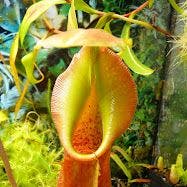
Pitcher Plant is Not an Invasive Plant 🏺
Nepenthes ampullaria
By the Greg Editorial Team
Oct 18, 2024•6 min read
This article was created with the help of AI so we can cover more plants for you. May contain errors. See one? Report it here.
Unlock the beauty of Pitcher Plants 🌿—non-invasive wonders that boost biodiversity and elevate your garden's charm!
- 🌱 Pitcher Plants thrive in specific habitats, preventing them from becoming invasive.
- 🦗 They enhance biodiversity by providing habitats and enriching soil through insect digestion.
- 🌿 Dormancy in winter helps conserve energy, ensuring healthy growth in spring.
Plant Classification
🌱 Definition of Invasive Species
Invasive species are plants that exhibit rapid growth, lack natural predators, and can outcompete native flora. These characteristics allow them to dominate ecosystems, often leading to a decline in biodiversity.
However, the Pitcher Plant doesn't fit this mold. Its specific habitat requirements and natural controls keep it in check, ensuring it thrives in its preferred environments without overwhelming local ecosystems.
🚀 Characteristics of Invasive Plants
- Rapid Growth: Invasive plants often grow quickly, spreading aggressively.
- Lack of Natural Predators: They typically have few or no natural enemies in their new environments.
- Outcompeting Native Flora: Their ability to dominate resources can lead to the decline of native species.
🌼 Why Pitcher Plant is Not Invasive
The Pitcher Plant thrives in nutrient-poor soils and wetlands, which limits its spread. Its unique needs mean it doesn't easily establish itself outside these specific environments, making it a non-invasive choice for gardens and landscapes.
In addition, natural controls, such as competition with other plants and specific soil and moisture conditions, further inhibit its unchecked growth. This balance allows Pitcher Plants to coexist harmoniously within their ecosystems.
As we explore the growth habits of the Pitcher Plant, we’ll see how its seasonal cycles and environmental preferences contribute to its non-invasive nature.
Growth Habits
Typical Growth Patterns 🌱
Pitcher Plants are fascinating with their upright, tubular leaves that can vary significantly in height depending on the species. These unique structures not only serve a purpose in trapping insects but also create a striking visual in any garden.
Their growth cycles are equally intriguing. During winter, these plants enter a state of dormancy, conserving energy until the warmer months. As spring arrives, they spring back to life, actively growing and thriving in their preferred environments.
Spread Potential and Natural Limits 🌍
Despite their captivating nature, Pitcher Plants have limited spread due to their specific environmental needs. They thrive primarily in wetlands and bogs, where nutrient-poor soils provide the ideal conditions for their growth.
Several factors inhibit their expansion. Competition with other plants, varying soil conditions, and moisture levels all play a role in keeping their populations in check. This natural limitation ensures that Pitcher Plants remain a unique and controlled presence in their ecosystems.
As we explore the ecological role of Pitcher Plants, it's essential to appreciate how their growth habits contribute to their overall sustainability and the environments they inhabit.
Ecological Role
Benefits to Local Ecosystems 🌱
Pitcher Plants play a vital role in enhancing biodiversity. They provide unique habitats for various insects and wildlife, creating a mini-ecosystem that supports life.
These fascinating plants also contribute to nutrient cycling. By trapping and digesting insects, they return essential nutrients to the soil, enriching the surrounding environment.
Interactions with Wildlife 🦋
One of the standout features of Pitcher Plants is their ability to attract beneficial insects. They lure in pollinators and serve as prey for birds, creating a dynamic food web.
Moreover, Pitcher Plants foster positive interactions with local fauna. They not only serve as a food source but also provide essential habitat for various species, promoting a balanced ecosystem.
In summary, Pitcher Plants are more than just unique flora; they are crucial players in their ecosystems. Their contributions to biodiversity and nutrient cycling make them invaluable to local environments, setting the stage for the next section on garden management.
Garden Management
Incorporating Pitcher Plant into Garden Designs 🌿
Integrating Pitcher Plants into your garden can create a stunning focal point. These unique plants thrive in specific environments, making them perfect for water features, bog gardens, or as standout elements in native plant landscapes.
When designing your garden, consider placing Pitcher Plants near water sources. Their natural habitat includes wetlands, so a small pond or a boggy area can mimic their preferred conditions. This not only enhances their growth but also adds a serene aesthetic to your garden.
Methods for Controlling Growth if Necessary ✂️
While Pitcher Plants are generally manageable, there may be times when you need to control their growth. Techniques like pruning can help maintain their shape and prevent overcrowding.
Container planting is another effective method. It allows you to control the soil and moisture levels, ensuring the plants thrive without overwhelming your garden space. Regularly monitoring moisture is crucial, as these plants prefer consistently damp conditions.
Understanding the growth limits of Pitcher Plants is essential for maintaining your garden's aesthetics. By being proactive, you can enjoy their beauty without letting them take over your landscape.
As you explore the fascinating world of Pitcher Plants, consider how they can enhance your garden while also supporting local ecosystems. Next, let’s dive into the unique qualities that set Pitcher Plants apart from other flora.
Comparison to Other Plants
Unique Qualities of Pitcher Plant 🪴
Pitcher Plants are fascinating due to their tubular leaves, which are designed to trap insects. This unique insect-trapping mechanism not only aids in their nutrient intake but also sets them apart from many other plants.
These plants attract specific wildlife, including pollinators and various insects, creating a vibrant ecosystem around them. Their ability to draw in these creatures makes them invaluable for maintaining ecological balance.
Similar Non-Invasive Plants 🌱
In addition to Pitcher Plants, there are other non-invasive carnivorous plants worth noting. The Venus Flytrap and Sundew are two popular examples that also play significant roles in their ecosystems.
Both of these plants share similar benefits, such as attracting beneficial insects and contributing to nutrient cycling. By incorporating these plants into your garden, you can enhance biodiversity while enjoying their unique characteristics.
Legal and Environmental Considerations
📜 Relevant Classifications and Guidelines
When cultivating Pitcher Plants, it's crucial to be aware of local and national regulations. Many regions have specific guidelines to protect native ecosystems and ensure responsible gardening practices.
Sourcing Pitcher Plants responsibly is essential to avoid ecological disruption. Always check if the plants are harvested sustainably and consider purchasing from reputable nurseries that prioritize conservation.
🌱 Sustainable Gardening Practices
Cultivating Pitcher Plants sustainably involves several best practices. Start by ensuring your garden mimics their natural habitat, focusing on wetlands or bog-like conditions.
Maintaining native habitats and biodiversity is vital. By integrating Pitcher Plants into your garden, you contribute to local ecosystems, supporting wildlife and promoting ecological balance.
Incorporating these practices not only enhances your garden but also fosters a deeper connection with nature. As you nurture these unique plants, you play a part in preserving the delicate balance of our environment.
With this understanding, let's explore how to incorporate Pitcher Plants into your garden designs effectively.
⚠️ Safety First
This content is for general information and may contain errors, omissions, or outdated details. It is not medical, veterinary advice, or an endorsement of therapeutic claims.
Always consult a qualified healthcare professional before using any plant as food, medicine, or supplement.
Never eat any plant (or feed one to pets) without confirming its identity with at least two trusted sources.
If you suspect poisoning, call Poison Control (800) 222-1222, the Pet Poison Helpline (800) 213-6680, or your local emergency service immediately.
Spotted an error? Please report it here.
Embrace the beauty of Pitcher Plants in your garden 🌿 by using Greg's tailored care reminders to keep them thriving while supporting local ecosystems and biodiversity!