💧 4 Steps to a Healthy Pitcher Plant
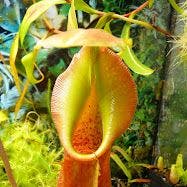
Nepenthes ampullaria
By the Greg Editorial Team
Oct 18, 2024•6 min read
This article was created with the help of AI so we can cover more plants for you. May contain errors. See one? Report it here.
Transform your space into a lush paradise 🌱 with expert tips for thriving indoor pitcher plants!
- 🌱 Pitcher plants thrive in bright, indirect light; aim for 12-16 hours daily.
- 💧 Use distilled or rainwater to keep soil consistently moist and chemical-free.
- 🌡️ Maintain humidity between 50-70% and temperatures of 20°C to 30°C for optimal health.
Unique Features
Trap Structure and Function 🪤
The pitcher plant's trap is a fascinating adaptation designed to capture unsuspecting insects. Its tubular shape, often filled with a liquid, lures prey with enticing colors and scents, making it an effective predator in nutrient-poor environments.
Once an insect slips inside, the plant's slick walls prevent escape. This ingenious structure not only traps but also digests its prey, allowing the plant to absorb vital nutrients like nitrogen and phosphorus, which are scarce in its natural habitat.
Carnivorous Nature and Nutrient Absorption Process 🦗
Carnivorous plants, like the pitcher plant, have evolved to thrive in challenging conditions. By consuming insects, they supplement their nutrient intake, which is crucial for their growth and reproduction.
The digestion process begins when enzymes break down the captured insects. This nutrient absorption is essential, transforming the plant into a unique blend of predator and plant, showcasing nature's incredible adaptability.
Understanding these unique features can deepen your appreciation for the pitcher plant and its role in the ecosystem. As we move forward, let’s explore how to care for these remarkable plants to ensure they thrive indoors.
General Care
Light Requirements 🌞
Ideal Indoor Light Levels
Indoor pitcher plants thrive in bright, indirect sunlight for about 12-16 hours daily. If your plant starts stretching or showing pale coloration, it’s a clear sign it’s not getting enough light.
Role of Grow Lights 💡
Importance of Grow Lights for Indoor Pitcher Plants
In low natural light conditions, grow lights become essential for maintaining your plant's health. You can choose between LED and fluorescent lights, both of which can effectively support growth.
How to Choose the Best Grow Light
Opt for full-spectrum lights to ensure your pitcher plant receives the necessary wavelengths for optimal growth. Position the light 6-12 inches above the plant and keep it on for 12-16 hours to mimic natural sunlight.
Watering Needs 🚰
Best Practices for Watering Pitcher Plants
Keep the soil consistently moist but avoid waterlogging. Yellowing leaves and root rot are telltale signs of overwatering, so monitor your plant closely.
Importance of Distilled or Rainwater
Tap water often contains chlorine and minerals that can harm your pitcher plant. Stick to distilled, rainwater, or reverse osmosis water for the best results.
Humidity and Temperature 🌫️
Optimal Humidity Levels for Indoor Growth
Aim for a humidity level between 50-70% to create a comfortable environment for your plant. You can increase humidity using humidifiers, pebble trays, or by misting the leaves.
Temperature Range for Healthy Growth
Maintain a temperature range of 20°C to 30°C (68°F to 86°F) for optimal growth. Watch for signs of temperature stress, like wilting or browning edges, which indicate your plant may be uncomfortable.
Soil Type 🌱
Recommended Soil Mix for Pitcher Plants
A mix of sphagnum moss, peat, and perlite works best for pitcher plants. Ensure the soil's pH levels are between 4.5 and 6.0 to maintain the necessary acidity.
Importance of Drainage and Aeration
Good drainage is crucial to prevent root rot, so choose a soil mix that allows excess water to escape. Incorporating coarse materials will help ensure proper aeration, promoting healthy root development.
With these general care tips, your indoor pitcher plant will thrive, setting you up for success as we dive deeper into fertilization strategies next.
Fertilization
When and How to Fertilize 🌱
Fertilizing your indoor pitcher plant is crucial for its growth, especially during the growing season, which spans spring and summer. Apply diluted liquid fertilizer or slow-release granules to provide essential nutrients.
Types of Fertilizers 🧪
Opt for low-nitrogen fertilizers, such as orchid fertilizer, to avoid harming your plant. Watch for signs of over-fertilization, like browning leaf tips and stunted growth, which indicate that your plant might be getting too much of a good thing.
Understanding the right fertilization techniques will help your pitcher plant thrive. Next, let’s explore common issues and solutions to keep your plant healthy and vibrant.
Common Issues and Solutions
Identifying and Solving Problems 🕵️♂️
Browning leaves can be a common issue for indoor pitcher plants. This often results from low humidity or over-fertilization.
To combat browning, first, check your humidity levels. If they’re too low, consider using a humidifier or pebble tray. If over-fertilization is the culprit, simply reduce the amount of fertilizer you apply.
Pests can also pose a threat to your pitcher plant's health. Common offenders include aphids, spider mites, and mealybugs.
Identifying these pests early is crucial. Look for signs of infestation, such as webbing or sticky residue on leaves, which can indicate spider mites or aphids.
Pest Prevention Strategies 🛡️
Regular inspection and cleaning are key to keeping pests at bay. Wipe down leaves and check the undersides for any unwanted visitors.
Using natural deterrents can also help. Neem oil and insecticidal soap are effective options that can protect your plant without harsh chemicals.
By staying vigilant and proactive, you can ensure your pitcher plant remains healthy and vibrant. This attention to detail will pay off in the long run, leading to a flourishing indoor garden.
Next, let’s explore how to maintain optimal placement and care for your pitcher plant.
Placement and Maintenance
Best Placement Within the Home 🌅
Finding the right spot for your indoor pitcher plant is crucial. Ideally, place it near east or west-facing windows where it can soak up bright, indirect sunlight.
Avoid placing your plant in drafty areas or near direct heat sources. Stability in temperature and light is key to keeping your pitcher plant healthy.
Tips for Maintaining Appearance and Health ✂️
Regular maintenance keeps your plant looking its best. Prune away any dead or damaged leaves to encourage new growth and maintain its aesthetic appeal.
Don't forget to clean the leaves regularly. Dusting them off enhances photosynthesis and helps your plant thrive.
By following these simple placement and maintenance tips, you can ensure your indoor pitcher plant remains vibrant and healthy. Next, let’s explore how to adjust care based on seasonal changes.
Seasonal Considerations
🌱 Seasonal Care Adjustments
As seasons change, so should your care routine for your indoor pitcher plant. In winter, increase light exposure by extending the duration of light to ensure your plant gets enough energy.
Humidity can drop during colder months, so keep an eye on those levels. Using a humidifier can help maintain the ideal humidity range, ensuring your plant thrives even in dry conditions.
🔄 Preparing for Seasonal Changes
Transitioning care is crucial when seasons shift. Gradually acclimatize your plant to new conditions to avoid shock, making small adjustments over time.
Monitoring your plant's response is key. If you notice any changes, be ready to tweak your care routine accordingly to keep your pitcher plant healthy and vibrant.
With these seasonal strategies, your indoor pitcher plant will flourish year-round, setting the stage for a smooth transition to the next topic: common issues and solutions.
⚠️ Safety First
This content is for general information and may contain errors, omissions, or outdated details. It is not medical, veterinary advice, or an endorsement of therapeutic claims.
Always consult a qualified healthcare professional before using any plant as food, medicine, or supplement.
Never eat any plant (or feed one to pets) without confirming its identity with at least two trusted sources.
If you suspect poisoning, call Poison Control (800) 222-1222, the Pet Poison Helpline (800) 213-6680, or your local emergency service immediately.
Spotted an error? Please report it here.
Grow a vibrant pitcher plant 🌱 with Greg's personalized care tips and watering reminders, ensuring it thrives while you enjoy its unique beauty in your home!