🥤 Top 9 Pot Features Your Pitcher Plant Will Love
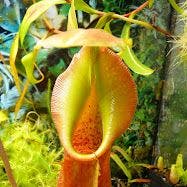
Nepenthes ampullaria
By the Greg Editorial Team
Oct 18, 2024•3 min read
This article was created with the help of AI so we can cover more plants for you. May contain errors. See one? Report it here.
Maximize your pitcher plant's health 🌱 with expert pot selection tips for every growth stage and thriving roots!
- 🌱 Pot size matters: Choose 4-14 inches based on your pitcher plant's growth stage.
- 🏺 Material impacts health: Clay pots promote moisture, while plastic can retain too much.
- 🔄 Repot wisely: Look for root-bound signs and repot in early spring for best results.
Pot Selection for Pitcher Plant
Pot Size for Different Growth Stages 🌱
Choosing the right pot size is crucial for your pitcher plant's health.
Seedlings
For seedlings, a container size of 4-6 inches in diameter is ideal. They typically need this size for about 6 months to 1 year before requiring a larger pot.
Juvenile Plants
As your plant matures, transition to a 6-10 inch pot. Juvenile plants can thrive in this size for 1-2 years, depending on the species.
Mature Plants
Mature pitcher plants flourish in pots 10-14 inches in diameter. They can remain in the same pot for several years if conditions are optimal.
Impact of Pot Size
The size of the pot significantly influences root development and nutrient uptake. A well-sized pot allows roots to spread, promoting healthier growth.
Ideal Materials for Pitcher Plant Pots 🪴
Selecting the right material for your pot can make a world of difference.
Clay Pots
Clay pots offer excellent breathability, allowing air to circulate to the roots. They also help maintain consistent moisture levels, which is vital for pitcher plants.
However, they come with some drawbacks. Clay pots are heavier, making them difficult to move. Their porosity means you may need to water more frequently in dry conditions.
Plastic Pots
Plastic pots are lightweight and easy to handle, making them a popular choice. They are also generally more cost-effective than clay pots.
On the downside, plastic pots are less effective at regulating temperature. They can retain too much moisture, leading to overwatering if not monitored closely.
How Pot Choice Affects Health and Growth 🌿
The choice of pot material can influence soil pH and acidity levels, which are critical for pitcher plants.
The size of the pot also plays a role in root health and overall plant vigor. Selecting pots that support the unique structure of pitcher plants is essential for their long-term success.
Repotting Pitcher Plant 🔄
Signs That It’s Time to Repot
Recognizing when to repot is key to maintaining a healthy plant.
- Root-bound indicators: Look for roots growing out of drainage holes.
- Stunted growth: If your plant shows no new growth despite optimal conditions, it may need repotting.
- Soil degradation: Compacted or discolored soil is another sign that it's time for a change.
Step-by-Step Guide to Repotting
Repotting can be straightforward if you follow these steps:
- Choose the right time: Early spring is ideal, just before the growing season.
- Prepare the new pot: Ensure it has adequate drainage holes.
- Remove the plant: Gently loosen the root ball from the old pot.
- Inspect the roots: Trim any dead or damaged roots.
- Place in new pot: Fill with the appropriate potting mix, ensuring the plant sits at the same depth.
- Water thoroughly: Allow excess water to drain out.
Common Mistakes ❌
Potting Mistakes to Avoid
Avoid these common pitfalls to keep your pitcher plant thriving:
- Choosing pots without drainage holes: This leads to waterlogging, which can be fatal.
- Using inappropriate potting mix: Regular potting soil isn't suitable; opt for a mix designed for carnivorous plants.
- Ignoring growth stage: Repotting too frequently or infrequently can stress your plant.
Myths About Potting Materials
It's essential to debunk some common myths:
Myth: All pots are the same for pitcher plants.
- Reality: Material and size significantly affect plant health.
Myth: Plastic pots are always bad for plants.
- Reality: They can be beneficial if monitored for moisture levels.
Understanding these aspects of pot selection will set your pitcher plant up for success. Next, let’s explore the signs that indicate it’s time to repot your plant.
⚠️ Safety First
This content is for general information and may contain errors, omissions, or outdated details. It is not medical, veterinary advice, or an endorsement of therapeutic claims.
Always consult a qualified healthcare professional before using any plant as food, medicine, or supplement.
Never eat any plant (or feed one to pets) without confirming its identity with at least two trusted sources.
If you suspect poisoning, call Poison Control (800) 222-1222, the Pet Poison Helpline (800) 213-6680, or your local emergency service immediately.
Spotted an error? Please report it here.
Give your pitcher plant the perfect pot 🪴 it deserves with Greg's tailored reminders and tips for thriving growth at every stage!