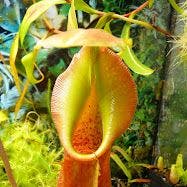
🏺 How to Propagate Your Pitcher Plant
Nepenthes ampullaria
By the Greg Editorial Team
Oct 18, 2024•3 min read
This article was created with the help of AI so we can cover more plants for you. May contain errors. See one? Report it here.
Cultivate thriving pitcher plants 🌱 with these simple and effective propagation methods for every green thumb!
- 🌱 Choose healthy stems and cuttings of 4-6 inches for successful propagation.
- 💧 Maintain humidity with a plastic cover to ensure moisture for cuttings.
- 🌞 Provide bright, indirect light for optimal growth of seedlings and cuttings.
Propagation Methods
🌱 Cuttings ((difficulty:moderate))
How to Take Cuttings
To successfully propagate your pitcher plant, start by selecting healthy stems. Look for vigorous growth and steer clear of any damaged areas.
Aim for cuttings that are 4-6 inches long, ensuring at least one node is included. Use clean, sharp scissors or pruning shears to prevent infection during the process.
Step-by-Step Guide to Rooting Cuttings
- Prepare the cutting: Remove the lower leaves to expose the node.
- Use rooting hormone: Dip the cut end in rooting hormone for better success.
- Planting medium: Opt for a well-draining mix, such as sphagnum moss or a peat-perlite blend.
- Watering: Lightly mist the cutting and keep the medium moist but not soggy.
- Cover: Use a plastic bag or humidity dome to maintain humidity around the cutting.
Ideal Conditions
For optimal growth, maintain a temperature between 20°C to 30°C (68°F to 86°F).
Humidity should be kept at 60% to 80%, and provide bright, indirect sunlight while avoiding direct sun exposure.
🌾 Seed Propagation ((difficulty:moderate))
Collecting Seeds
Timing is crucial when collecting seeds. Wait until seed pods turn brown and dry.
Gently shake the pods to release seeds into a paper bag, and store them in a cool, dry place until you're ready to plant.
Germination Process
- Prepare a germination medium: Use a mix of sphagnum moss and perlite.
- Sowing depth: Scatter seeds on the surface; do not bury them.
- Watering: Mist the surface to keep it moist without waterlogging.
- Light: Place in bright, indirect light; avoid direct sunlight.
Care for Seedlings
Germination typically takes 2-4 weeks.
Once seedlings develop true leaves, transplant them into individual pots, keeping the soil consistently moist but not soggy.
✂️ Division ((difficulty:moderate))
When to Divide
The best time to divide your pitcher plant is early spring or late summer when the plant is actively growing.
Look for signs like overcrowding in the pot or reduced growth rates.
Step-by-Step Division Process
- Remove the plant from its pot: Gently loosen the soil around the roots.
- Identify sections: Look for natural divisions or clusters of growth.
- Cut: Use a clean knife to separate sections, ensuring each has roots and foliage.
- Re-pot: Place each division in its own pot with fresh, well-draining soil.
Post-Division Care
Keep the soil moist but not waterlogged for the first few weeks.
Provide bright, indirect light to encourage recovery, and monitor for signs of stress, such as wilting or yellowing leaves.
💧 Water Propagation ((difficulty:moderate))
How to Propagate in Water
Select cuttings using the same guidelines as for soil propagation.
Use a clear container to monitor root development, ensuring the cut end is submerged while keeping leaves above water.
Maintaining Water Quality
Change the water weekly to prevent stagnation and algae growth.
Opt for distilled or rainwater to avoid chemical contaminants.
Transitioning to Soil
- Timing: Once roots are 2-3 inches long, prepare for transfer.
- Soil preparation: Use a well-draining mix suitable for pitcher plants.
- Planting: Carefully transfer the cutting to the soil, ensuring roots are covered.
- Watering: Water lightly and maintain humidity until established.
⚠️ Common Challenges and Solutions ((difficulty:hard))
Troubleshooting Issues
If you experience low success rates, ensure proper humidity and temperature conditions.
For wilting cuttings, check for overwatering or underwatering.
Preventing Rot
Always use sterile tools before cutting to prevent infection.
Avoid excessive moisture by ensuring good drainage in pots.
Ensuring Germination Rates
Use fresh seeds for better germination rates.
Maintain optimal light and moisture levels during the germination process to ensure success.
With these propagation methods, you can cultivate a thriving collection of pitcher plants. Next, let’s explore the unique characteristics of these fascinating plants!
⚠️ Safety First
This content is for general information and may contain errors, omissions, or outdated details. It is not medical, veterinary advice, or an endorsement of therapeutic claims.
Always consult a qualified healthcare professional before using any plant as food, medicine, or supplement.
Never eat any plant (or feed one to pets) without confirming its identity with at least two trusted sources.
If you suspect poisoning, call Poison Control (800) 222-1222, the Pet Poison Helpline (800) 213-6680, or your local emergency service immediately.
Spotted an error? Please report it here.
Propagate your pitcher plant like a pro 🌱 with Greg's tailored tips and reminders, ensuring your cuttings thrive in the perfect conditions for success!