🪣 How to Grow Pitcher Plant Outdoors
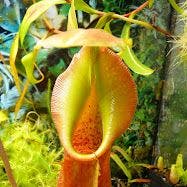
Nepenthes ampullaria
By the Greg Editorial Team
Oct 18, 2024•6 min read
This article was created with the help of AI so we can cover more plants for you. May contain errors. See one? Report it here.
Unlock vibrant growth for your pitcher plants 🌱 with essential outdoor care tips for thriving success!
- ☀️ Pitcher plants need 6-8 hours of sunlight daily for optimal growth and trapping.
- 💧 Use distilled or rainwater to keep pitcher plants consistently moist and healthy.
- 🌱 Ideal soil mix includes peat moss, perlite, and sand for acidity and drainage.
Outdoor Care Requirements
Sunlight Needs 🌞
Pitcher plants thrive in full sun, requiring 6 to 8 hours of direct sunlight daily. Without adequate light, you may notice stunted growth and a reduced ability to trap insects, which is crucial for their survival.
Adjusting light conditions is essential based on your climate zone. In hotter areas, some afternoon shade can help prevent leaf scorch.
Watering Requirements and Techniques 🚰
Consistent moisture is vital for the health of your pitcher plants. They prefer distilled or rainwater to avoid harmful mineral buildup that can hinder their growth.
When it comes to watering techniques, consider using the soaking method for deep hydration or top watering for convenience. During hot months, check the moisture levels daily to ensure they remain adequately hydrated.
Soil Preferences and Composition 🌱
Pitcher plants favor acidic, nutrient-poor, and well-draining soil. A recommended mix includes peat moss, perlite, and sand to create the ideal environment for these unique plants.
Be cautious with fertilization; over-fertilization can harm your pitcher plants. Proper nutrient management is key to maintaining their health and vigor.
Fertilization Methods and Frequency 🍽️
Fertilizing your pitcher plants requires timing and technique. Use low-nitrogen options, such as orchid fertilizer, to avoid overwhelming them.
Aim to fertilize every 4 to 6 weeks during the growing season. This regular feeding will support their growth and overall health, ensuring they thrive in your outdoor space.
With these outdoor care requirements in mind, you’ll be well-equipped to nurture your pitcher plants effectively. Next, let’s explore the various planting options available for these fascinating plants.
Planting Options
🌱 Container vs. In-Ground Planting
When deciding between container and in-ground planting for your Pitcher Plants, consider the unique benefits and drawbacks of each option.
Container Planting Benefits
Container planting offers excellent control over soil conditions and moisture levels. You can easily adjust the environment to suit your plant's needs.
Mobility is another advantage; you can move containers to optimize sunlight exposure or protect them from harsh weather. However, keep in mind that limited root space may require more frequent watering.
Container Planting Drawbacks
On the downside, container plants can struggle with restricted root growth. This limitation often leads to increased watering frequency, especially during hot months.
In-Ground Planting Benefits
In-ground planting allows for natural moisture retention, which can be a game-changer for your Pitcher Plants. With more space for roots, these plants often exhibit larger growth potential.
In-Ground Planting Drawbacks
However, in-ground plants can be more vulnerable to pests and diseases. You also have less control over soil conditions, which can complicate care.
Ultimately, the choice between container and in-ground planting depends on your specific gardening goals and environmental conditions. Each method has its merits, so weigh them carefully to find what works best for you.
Next, let’s explore how to protect and maintain your Pitcher Plants throughout the seasons.
Protection and Maintenance
☔️ Weather Protection Strategies
Weather protection is crucial for the health of your pitcher plants. Extreme conditions can stress the plants, leading to stunted growth or even death.
Techniques for Extreme Weather
- Shade Cloth: Use shade cloth to shield your plants from intense sunlight, especially during the hottest parts of the day.
- Mulching: Apply mulch to help retain moisture and regulate soil temperature. This is particularly beneficial during fluctuating weather conditions.
Seasonal Adjustments
As the seasons change, so should your protection strategies. Monitor weather forecasts and adjust your methods to ensure your plants are safeguarded year-round.
🐞 Managing Outdoor Pests and Diseases
Outdoor pests can wreak havoc on your pitcher plants. Being proactive is key to maintaining their health.
Common Pests
Look out for:
- Aphids
- Spider Mites
- Mealybugs
These pests can cause significant damage, so early detection is vital.
Signs of Infestation
Watch for yellowing leaves, webbing, or sticky residue on your plants. These are telltale signs that pests are present.
Treatment Options
Consider using:
- Insecticidal Soap: Effective for many soft-bodied insects.
- Neem Oil: A natural pesticide that disrupts pest life cycles.
- Beneficial Insects: Introduce ladybugs or lacewings to help control pest populations.
Common Diseases
Be aware of diseases like root rot and fungal infections. These can be caused by overwatering or poor drainage.
Prevention Strategies
Proper watering and soil management are essential. Ensure your plants are in well-draining soil and avoid letting them sit in water.
🌱 Seasonal Care Adjustments
Adapting your care routine based on seasonal changes is vital for pitcher plant health.
Importance of Adaptation
Each season brings different challenges and opportunities. By staying attuned to environmental conditions, you can make necessary adjustments to your care routine.
Monitoring Conditions
Regularly check temperature and humidity levels. This will help you fine-tune your watering and protection strategies, ensuring your pitcher plants thrive throughout the year.
As you navigate the intricacies of protecting and maintaining your pitcher plants, remember that each season offers a fresh chance to learn and grow. Next, we’ll explore the seasonal considerations that will help you optimize care for your plants throughout the year.
Seasonal Considerations
Spring Care 🌱
Spring is the perfect time to plant new Pitcher Plants. Look for signs of new growth, such as fresh leaves and vibrant colors, indicating that your plant is thriving in optimal conditions.
Summer Care ☀️
As temperatures rise, so do your Pitcher Plant's watering needs. Make it a habit to check moisture levels daily, and keep an eye out for pests—regular inspections can save your plant from infestations.
Fall Care 🍂
As fall approaches, watch for signs that your Pitcher Plant is entering dormancy. Adjust your watering routine as temperatures drop, ensuring your plant receives just enough moisture without overdoing it.
Winter Care ❄️
Protecting your Pitcher Plants from frost is crucial during winter. Use frost cloths or bring containers indoors to shield them from harsh conditions, and remember to maintain humidity levels to keep them healthy through the colder months.
With these seasonal care tips, your Pitcher Plants will not only survive but thrive throughout the year! Next, let’s dive into common problems and solutions to keep your plants in top shape.
Common Problems and Solutions
🦠 Identifying and Treating Common Diseases
Common diseases can threaten the health of your pitcher plants. Look out for symptoms like root rot, which manifests as mushy roots and a foul smell, and leaf spots that indicate fungal infections.
To treat these issues, ensure proper watering techniques and improve drainage. For leaf spots, consider using a fungicide and removing affected leaves to prevent spread.
🐛 Addressing Pest Infestations
Pests can quickly become a nuisance for pitcher plants. Common culprits include aphids, spider mites, and mealybugs, which can cause significant damage if left unchecked.
Start by identifying the pest type through visible damage or webbing. Use insecticidal soap or neem oil as treatment options, and introduce beneficial insects like ladybugs for natural pest control.
🌱 Troubleshooting Growth Issues
If your pitcher plants are wilting or developing yellow leaves, it’s time to troubleshoot. These symptoms often indicate issues with watering, light exposure, or nutrient levels.
Check your watering routine and ensure your plants are receiving adequate sunlight. Adjusting these factors can lead to a healthier, more vibrant plant.
By staying vigilant and proactive, you can effectively manage common problems and keep your pitcher plants thriving. Next, let’s explore seasonal care adjustments to further enhance their growth.
⚠️ Safety First
This content is for general information and may contain errors, omissions, or outdated details. It is not medical, veterinary advice, or an endorsement of therapeutic claims.
Always consult a qualified healthcare professional before using any plant as food, medicine, or supplement.
Never eat any plant (or feed one to pets) without confirming its identity with at least two trusted sources.
If you suspect poisoning, call Poison Control (800) 222-1222, the Pet Poison Helpline (800) 213-6680, or your local emergency service immediately.
Spotted an error? Please report it here.
Transform your outdoor space into a pitcher plant paradise 🌱 with Greg's tailored watering reminders and expert care tips to ensure your plants thrive all year round!