Good Temperature Range for Your Pitcher Plant
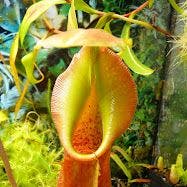
Nepenthes ampullaria
By the Greg Editorial Team
Oct 18, 2024•5 min read
This article was created with the help of AI so we can cover more plants for you. May contain errors. See one? Report it here.
Unlock the secret to thriving pitcher plants 🌱 by mastering their unique temperature needs for optimal growth! 🌞
- 🌡️ Sarracenia thrives between 60°F to 75°F; Nepenthes prefers 70°F to 85°F.
- ❄️ Cooler temperatures (32°F to 50°F) are essential for Sarracenia's winter dormancy.
- 🌿 Monitor for heat and cold stress signs to ensure healthy pitcher plants.
Temperature Needs of Pitcher Plants
Optimal Temperature Range for Sarracenia 🌡️
Sarracenia, commonly known as North American pitcher plants, thrive in a specific temperature range. The ideal conditions for these plants are between 60°F to 75°F (15°C to 24°C).
During winter, Sarracenia enters a dormancy phase, requiring cooler temperatures between 32°F (0°C) and 50°F (10°C). This dormancy is crucial for their health and growth cycle.
Specific Sarracenia Species Temperature Preferences
Different Sarracenia species have unique temperature needs.
- Sarracenia purpurea: This species thrives in cooler climates, making it well-suited for northern regions.
- Sarracenia leucophylla: In contrast, this species prefers slightly warmer conditions, often found in the southeastern U.S.
Optimal Temperature Range for Nepenthes 🌞
Nepenthes, or tropical pitcher plants, have different temperature requirements. They flourish in warmer environments, with an ideal range of 70°F to 85°F (21°C to 29°C).
These plants can tolerate heat but have a maximum threshold. They begin to experience heat stress at around 90°F (32°C), which can affect their health.
Specific Nepenthes Species Temperature Preferences
Just like Sarracenia, Nepenthes species vary in their temperature preferences.
- Nepenthes alata: This species is quite adaptable, thriving in a range of temperatures.
- Nepenthes rajah: On the other hand, it prefers cooler, highland conditions, showcasing the diversity within the Nepenthes genus.
Understanding these temperature needs is essential for successful cultivation. By providing the right conditions, you can ensure your pitcher plants thrive and flourish.
Next, we’ll explore the signs of temperature stress in pitcher plants and how to recognize when they need your help.
Temperature Stress in Pitcher Plants
Signs of Temperature Stress 🌡️
Temperature stress can manifest in various ways. For heat stress, look for wilting, browning leaf edges, and even pitcher collapse.
Cold stress, on the other hand, shows symptoms like leaf discoloration, stunted growth, and pitcher rot. Keeping an eye on these visual indicators is crucial for maintaining your plant's health.
Causes of Temperature Stress 🌪️
Temperature stress often arises from prolonged exposure to conditions outside the optimal range. Sudden temperature fluctuations can also wreak havoc on your pitcher plants.
Environmental factors play a significant role too. Direct sunlight and strong winds can exacerbate temperature-related issues, making it essential to monitor your plant's surroundings.
Recovery from Temperature Stress 🌱
If your pitcher plant shows signs of stress, there are steps you can take for recovery. Start with gradual acclimatization to optimal temperatures.
Providing shade or insulation can help protect your plant from extreme conditions. Additionally, monitoring and adjusting your watering practices is vital for recovery.
Always keep an eye on how your plant responds during this recovery phase. Understanding its needs will help ensure a successful comeback.
As you navigate the challenges of temperature stress, remember that awareness and proactive care are key to thriving pitcher plants. Next, let’s explore how geographic temperature adaptations influence their survival.
Geographic Temperature Adaptations
🌍 Native Habitats and Their Temperature Ranges
Pitcher plants, like Sarracenia and Nepenthes, thrive in distinct native habitats that shape their temperature needs. Sarracenia typically grows in temperate wetlands, where temperatures can fluctuate between cool winters and warm summers.
In contrast, Nepenthes is found in tropical rainforests, where it enjoys consistently warm temperatures. These environments dictate how each species adapts to their specific climate, influencing their growth and survival strategies.
❄️ Adaptations to Temperature Extremes
To cope with temperature stress, pitcher plants have developed several remarkable mechanisms. For instance, their unique leaf structures help regulate temperature and moisture retention, allowing them to thrive in diverse conditions.
Additionally, these plants can store water efficiently, which is crucial for survival during extreme heat or cold. Such adaptations not only enhance their resilience but also ensure their growth in varying climates, showcasing the incredible versatility of pitcher plants.
Understanding these adaptations can deepen our appreciation for these fascinating plants and their ability to thrive in challenging environments. As we explore further, we’ll uncover how temperature impacts their growth and development.
Impact of Temperature on Growth and Development
🌡️ Effects of Temperature on Feeding Behavior
Temperature significantly influences how pitcher plants attract and trap insects. Warmer temperatures often enhance insect activity, making it easier for these plants to lure their prey.
Optimal feeding conditions typically occur within specific temperature ranges. For instance, many species thrive when temperatures hover around 70°F to 85°F (21°C to 29°C), maximizing their trapping efficiency.
Different species exhibit variability in their feeding behavior based on temperature. While some may be more active in warmer conditions, others might prefer cooler environments, showcasing the adaptability of these fascinating plants.
🌼 Influence of Temperature on Flowering and Reproduction
Temperature plays a crucial role in the flowering process of pitcher plants. It can trigger flowering initiation, impacting overall reproductive success.
Each species has its own optimal temperature range for successful reproduction. For example, many Sarracenia species flourish in cooler temperatures, while Nepenthes may require warmer conditions to thrive.
Fluctuations in temperature can affect seed development, potentially leading to lower germination rates. Understanding these dynamics is essential for anyone looking to cultivate pitcher plants successfully.
As we explore the intricate relationship between temperature and these plants, it's vital to consider how humidity also plays a role in their overall health and growth.
Brief Mention of Humidity's Role
🌧️ Humidity's Influence on Temperature Needs
Humidity plays a crucial role in how pitcher plants perceive temperature. High humidity can make warmer temperatures feel more tolerable, while low humidity can exacerbate heat stress.
Maintaining adequate humidity levels is essential alongside temperature management. This balance helps ensure your pitcher plants thrive, as they are naturally adapted to humid environments.
By keeping humidity in check, you support your plants' overall health and resilience. This attention to detail can make all the difference in their growth and vitality.
As you care for your pitcher plants, remember that humidity isn't just a side note—it's a key player in their success. With the right conditions, your plants will flourish, setting the stage for a vibrant display.
Next, let's explore how temperature affects the growth and development of these fascinating plants.
⚠️ Safety First
This content is for general information and may contain errors, omissions, or outdated details. It is not medical, veterinary advice, or an endorsement of therapeutic claims.
Always consult a qualified healthcare professional before using any plant as food, medicine, or supplement.
Never eat any plant (or feed one to pets) without confirming its identity with at least two trusted sources.
If you suspect poisoning, call Poison Control (800) 222-1222, the Pet Poison Helpline (800) 213-6680, or your local emergency service immediately.
Spotted an error? Please report it here.
Keep your pitcher plants thriving in their ideal climate 🌡️ with Greg's tailored care tips and environmental monitoring to prevent temperature stress!