🪲 What's Eating Your Pitcher Plant
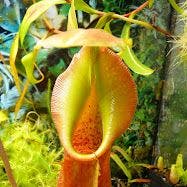
Nepenthes ampullaria
By the Greg Editorial Team
Oct 18, 2024•6 min read
This article was created with the help of AI so we can cover more plants for you. May contain errors. See one? Report it here.
Safeguard your pitcher plants from pesky herbivores 🦌 with these essential tips for a thriving garden! 🌱
- 🐾 Identify herbivores like deer and rabbits that threaten your pitcher plants.
- 🚫 Use deterrents such as repellents and fencing to protect your plants effectively.
- 🌼 Encourage beneficial animals like bees to enhance biodiversity and support plant health.
Common Herbivores Affecting Pitcher Plant
🦌 Deer
Signs of presence and damage caused
Deer can be quite the nuisance for pitcher plants. Look for jagged edges on leaves and missing foliage, along with hoof prints in muddy areas nearby.
Beneficial or harmful interaction
Unfortunately, deer interactions are generally harmful. They can severely damage or even kill your pitcher plant.
Deterrent methods
To keep deer at bay, consider using commercial deer repellents. Alternatively, planting deer-resistant species nearby or using human hair and soap shavings can also help deter them.
🐇 Rabbits
Signs of presence and damage caused
Rabbits leave their mark by chewing on stems and leaves, often resulting in clean cuts at ground level. You might also find small, round droppings near the plant.
Beneficial or harmful interaction
Like deer, rabbits are generally harmful. Their feeding can stunt growth and reduce flowering, impacting your plant's health.
Deterrent methods
Bitter-tasting sprays can serve as effective chemical deterrents against rabbits. For an organic approach, consider fencing that’s 2-3 feet high or using repellents like cayenne pepper.
🐿️ Squirrels
Signs of presence and damage caused
Squirrels are sneaky little critters that gnaw on stems and leaves, leaving irregular bite marks. You may also find twigs and leaves collected nearby as nesting materials.
Beneficial or harmful interaction
Squirrels generally cause harm to pitcher plants. Their activities can damage young plants and disrupt growth.
Deterrent methods
Commercial squirrel repellents can be effective. Additionally, scare tactics like reflective tape or noise-makers can help keep them away.
🐦 Birds
Signs of presence and damage caused
Birds can be a mixed bag. Look for pecked leaves and flowers with holes or missing petals, and nearby nests indicating frequent visits.
Beneficial or harmful interaction
Some birds are beneficial, aiding in pollination, while others may cause damage. It’s essential to identify which birds are visiting your plants.
Deterrent methods
Non-toxic bird repellents can deter unwanted visitors. For a more organic solution, consider using netting to protect flowers and young shoots.
🐭 Rodents (mice, voles, etc.)
Signs of presence and damage caused
Rodents can wreak havoc on pitcher plants. Look for gnawed roots and stems, along with small, dark pellets near the base of the plant.
Beneficial or harmful interaction
Rodents are generally harmful and can lead to plant decline or death if not managed properly.
Deterrent methods
Rodent bait stations can be effective chemical deterrents. For an organic approach, traps and planting mint or other deterrent plants nearby can help.
🦡 Groundhogs/Woodchucks
Signs of presence and damage caused
Groundhogs leave distinctive signs, such as large bites on stems and leaves. You may also find burrows near the base of the plant.
Beneficial or harmful interaction
These animals are generally harmful and can decimate plant populations if left unchecked.
Deterrent methods
Commercial groundhog repellents can be useful. Additionally, fencing that’s at least 3 feet high and buried underground can provide effective protection.
In summary, understanding the common herbivores affecting pitcher plants is crucial for their health. By implementing effective deterrent methods, you can protect your plants and ensure they thrive in your garden. Next, let’s explore the beneficial animals that can enhance the ecological role of your pitcher plants.
Beneficial Animals and Ecological Role
🐝 Description of Beneficial Animals Attracted to Pitcher Plant
Pitcher plants are not just victims of herbivores; they also attract a host of beneficial animals. Pollinators like bees and butterflies play a crucial role in the reproduction of these fascinating plants.
Insectivorous animals, such as frogs and certain birds, help maintain a balanced ecosystem by controlling pest populations. Their presence ensures that harmful insects don’t overwhelm the garden.
🌱 Positive Impacts on the Garden Ecosystem
The attraction of these beneficial animals enhances biodiversity in your garden. A diverse ecosystem is more resilient and can better withstand pests and diseases.
Moreover, these animals contribute to natural pest control. By keeping harmful insect populations in check, they help your pitcher plants thrive without the need for chemical interventions.
Incorporating these beneficial creatures into your garden not only supports your pitcher plants but also fosters a vibrant, healthy environment. As you cultivate this balance, you’ll find that nature often knows best.
This understanding of beneficial interactions sets the stage for exploring general strategies for protecting your pitcher plants.
General Strategies for Protection
🛡️ Preventive Measures for Protecting Pitcher Plant
To safeguard your pitcher plants, consider using fencing and barriers. These physical deterrents can effectively keep herbivores at bay.
Another strategy is companion planting. By incorporating plants that naturally repel herbivores, you create a protective environment for your pitcher plants.
🐾 Reactive Solutions for Managing Animal Interactions
Regular monitoring and early intervention are crucial. Conduct routine checks for signs of damage to catch any issues before they escalate.
When you notice problems, apply treatment options as needed. This could involve using deterrents to discourage further animal interactions.
🌱 Balancing Garden Ecosystem While Protecting Pitcher Plant
Understanding the role of herbivores is essential. While they can be damaging, they also play a part in the ecosystem that shouldn't be overlooked.
Implementing integrated pest management strategies allows you to balance protection with ecological health. This approach acknowledges the importance of all species in your garden, fostering a more harmonious environment.
Seasonal Considerations
🐾 Seasonal Variations in Animal Attraction to Pitcher Plant
As spring unfolds, herbivores become increasingly active, drawn to the fresh growth of pitcher plants. This surge in activity can lead to significant browsing, as these animals seek out tender leaves and stems.
In summer, the situation shifts. The flowering of pitcher plants attracts not only herbivores but also beneficial pollinators like bees and butterflies. This dual attraction can create a bustling ecosystem around your plants.
⏰ Timing of Plant Vulnerability and Animal Activity
During the early growth stages, pitcher plants are particularly vulnerable to herbivore damage. The new, tender foliage is a prime target for hungry critters looking for a meal.
By late summer, the dynamics change again. As food sources dwindle, herbivores may increase their feeding on pitcher plants, putting them at risk once more. Understanding these seasonal patterns is crucial for effective plant protection.
With this knowledge, you can better anticipate and manage the challenges your pitcher plants face throughout the year.
Toxicity and Animal Interaction
Toxic Effects of Pitcher Plant on Herbivores 🐾
Pitcher plants possess mild toxicity in certain parts, which can deter herbivores from feasting on them. This natural defense mechanism plays a crucial role in protecting the plant from potential damage.
Implications for Animal Interactions and Plant Health 🦙
The presence of toxins can influence the types of animals that interact with pitcher plants. While some herbivores may be discouraged from feeding, others might still attempt to nibble, leading to varying impacts on the plant's overall health.
Understanding the Balance ⚖️
Herbivores often learn to avoid specific parts of the pitcher plant due to its toxicity. This behavior can significantly affect their feeding patterns and the plant's survival.
Importance of Recognizing Defensive Adaptations 🛡️
Understanding the plant's defensive adaptations is vital for managing herbivore interactions effectively. By recognizing how these adaptations work, gardeners can better protect their pitcher plants while maintaining a balanced ecosystem.
This knowledge sets the stage for exploring how to implement effective protective measures for your pitcher plants in the next section.
⚠️ Safety First
This content is for general information and may contain errors, omissions, or outdated details. It is not medical, veterinary advice, or an endorsement of therapeutic claims.
Always consult a qualified healthcare professional before using any plant as food, medicine, or supplement.
Never eat any plant (or feed one to pets) without confirming its identity with at least two trusted sources.
If you suspect poisoning, call Poison Control (800) 222-1222, the Pet Poison Helpline (800) 213-6680, or your local emergency service immediately.
Spotted an error? Please report it here.
Keep your pitcher plants thriving 🌿 by using Greg's tailored reminders and tips to fend off herbivores and create a balanced garden ecosystem!