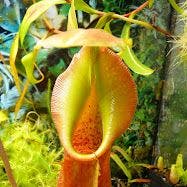
8 Best Companion Plants for Ampullaria Pitcher Plant 🍶
Nepenthes ampullaria
By the Greg Editorial Team
Oct 02, 2024•6 min read
This article was created with the help of AI so we can cover more plants for you. May contain errors. See one? Report it here.
Boost your garden's health 🌱 by pairing Ampullaria pitcher plants with perfect companion plants for a thriving ecosystem!
- 🌱 Bromeliads and orchids thrive alongside Ampullaria, enhancing humidity and attracting pollinators.
- 🌿 Ferns and Calathea boost humidity and add lush greenery, benefiting the pitcher plant.
- 🌼 Companion planting improves pest control and garden diversity, creating a resilient ecosystem.
Best Companion Plants for Ampullaria Pitcher Plant
🌺 Plant 1: Bromeliads
Bromeliads are tropical plants characterized by their rosette-shaped leaves. They thrive in the same humidity and indirect sunlight as the Ampullaria pitcher plant, making them ideal companions.
Bromeliads not only provide shelter for beneficial insects but also enhance the visual appeal of your garden. Their vibrant colors and unique shapes can create a stunning backdrop for your pitcher plant.
🌸 Plant 2: Orchids
Orchids belong to a diverse family of flowering plants, known for their stunning blooms. They prefer humid environments and well-draining media, aligning perfectly with the needs of the Ampullaria.
These beautiful flowers attract pollinators, adding life to your garden while complementing the aesthetic of the pitcher plant. Their variety ensures that there's an orchid to suit every taste.
🍃 Plant 3: Ferns
Ferns boast lush, green foliage that thrives in shaded areas. They require consistent moisture and indirect light, making them a great match for the Ampullaria's growing conditions.
By enhancing humidity levels, ferns also provide ground cover that reduces weed growth. Their delicate fronds add a soft texture that contrasts beautifully with the pitcher plant's structure.
🪴 Plant 4: Nepenthes Species
Nepenthes species are another type of carnivorous plant that shares similarities with the Ampullaria. They have comparable humidity and soil moisture requirements, making them easy to care for together.
These plants create a cohesive look in your garden and attract similar insect prey, enhancing the overall ecosystem. Their unique forms can spark curiosity and conversation among visitors.
🌿 Plant 5: Calathea
Calathea plants are known for their striking foliage, which can add a dramatic flair to your garden. They thrive in high humidity and indirect sunlight, aligning well with the Ampullaria's needs.
In addition to their visual interest, Calatheas help maintain humidity levels in the surrounding environment. Their vibrant patterns can make your garden feel more dynamic and alive.
🌼 Plant 6: Peace Lily
The Peace Lily is a popular houseplant recognized for its glossy leaves and elegant white flowers. It thrives in moist soil and indirect light, making it compatible with the Ampullaria pitcher plant.
Beyond its aesthetic appeal, the Peace Lily improves air quality, creating a healthier environment for your plants. Its graceful presence can elevate the overall look of your garden.
🍂 Plant 7: Pothos
Pothos is a versatile trailing vine with heart-shaped leaves that can adapt to various conditions. It tolerates low light and prefers moist soil, making it an excellent companion for the Ampullaria.
This plant enhances vertical space and helps retain humidity, benefiting both itself and the pitcher plant. Its cascading vines can add a lush, tropical feel to your garden.
🌈 Plant 8: Anthurium
Anthurium is a tropical plant celebrated for its vibrant flowers and glossy leaves. It thrives in high humidity and indirect sunlight, making it a suitable partner for the Ampullaria.
Adding anthuriums to your garden introduces color and texture, enhancing overall diversity. Their bold blooms can create a striking contrast against the pitcher plant's unique form.
These companion plants not only thrive alongside the Ampullaria pitcher plant but also contribute to a vibrant, healthy garden ecosystem. Next, let's explore which plants to avoid to ensure your pitcher plant flourishes.
Plants to Avoid Near Ampullaria Pitcher Plant
🌵 Cacti
Cacti are a definite no-go when it comes to pairing with Ampullaria pitcher plants. They thrive in dry conditions and low humidity, which directly conflicts with the moisture-loving nature of the pitcher plant.
🌸 Lavender
Lavender may be beloved for its fragrance, but it’s not suitable for your Ampullaria. This plant prefers well-drained, dry soil and full sun, making it incompatible with the humid environment that Ampullaria needs to flourish.
🌿 Rosemary
Rosemary is another plant to steer clear of. It thrives in arid conditions and can compete for moisture, which can be detrimental to the health of your pitcher plant.
Avoiding these plants will help ensure your Ampullaria pitcher plant thrives in its ideal environment. Next, let’s explore how companion planting can enhance pest management in your garden.
Pest Management through Companion Planting
🌱 How Companion Plants Can Deter Pests
Companion planting is a fantastic strategy for managing pests naturally. Certain plants possess natural pest-repellent properties that can keep harmful insects at bay.
For instance, marigolds are known to repel nematodes and aphids, making them excellent companions for many garden plants. Additionally, herbs like basil and mint can deter pests while attracting beneficial insects.
🦋 Beneficial Insects Attracted by Companion Plants
Companion plants can also attract beneficial insects that help control pest populations. Ladybugs, for example, are drawn to plants like dill and fennel, which provide food and habitat.
These helpful insects feast on aphids and other pests, creating a healthier environment for your Ampullaria pitcher plant. By fostering a diverse ecosystem, you enhance the natural balance in your garden.
🚫 Specific Pest-Repellent Properties of Companion Plants
Some companion plants are particularly effective at repelling pests that commonly affect the Ampullaria pitcher plant.
- Basil: Known for its strong scent, basil can deter flies and mosquitoes.
- Nasturtiums: These vibrant flowers repel aphids and whiteflies, protecting your pitcher plant.
- Garlic: Its pungent aroma is a natural deterrent for many garden pests.
Incorporating these plants not only protects your Ampullaria but also enriches your garden's biodiversity.
🏁 Conclusion
By strategically selecting companion plants, you can create a thriving ecosystem that minimizes pest issues. This approach not only benefits your pitcher plant but also enhances the overall health and beauty of your garden.
Next, let’s explore how these companion plants contribute to enhancing garden diversity.
Enhancing Garden Diversity
🌱 Role of Companion Plants in Promoting Biodiversity
Companion plants play a crucial role in creating a balanced ecosystem. By introducing a variety of species, you foster interactions that benefit all plants involved.
Increased biodiversity enhances soil health and improves pest control. Diverse root systems and foliage can lead to better nutrient uptake and reduced competition for resources.
🎨 Visual Appeal and Aesthetic Benefits of Diverse Plantings
Varied foliage and flowers significantly enhance your garden's overall look. A mix of colors, shapes, and textures creates a vibrant, inviting space.
The importance of color, texture, and form cannot be overstated. These elements not only attract the eye but also contribute to a dynamic environment that supports both plants and wildlife.
Incorporating companion plants enriches your garden, making it not just a collection of plants, but a thriving ecosystem. This diversity not only looks good but also promotes health and resilience in your garden.
As you consider your planting choices, remember that each companion plant adds its unique charm and benefits. This thoughtful approach will lead to a more beautiful and sustainable garden space.
Next, let’s explore which plants to avoid near your Ampullaria Pitcher Plant to maintain its health and vitality.
⚠️ Safety First
This content is for general information and may contain errors, omissions, or outdated details. It is not medical, veterinary advice, or an endorsement of therapeutic claims.
Always consult a qualified healthcare professional before using any plant as food, medicine, or supplement.
Never eat any plant (or feed one to pets) without confirming its identity with at least two trusted sources.
If you suspect poisoning, call Poison Control (800) 222-1222, the Pet Poison Helpline (800) 213-6680, or your local emergency service immediately.
Spotted an error? Please report it here.
Enhance your garden's beauty and health by pairing your Ampullaria pitcher plant with companions like bromeliads and orchids, and let Greg's tailored care reminders ensure they all thrive together! 🌿 Flourish!