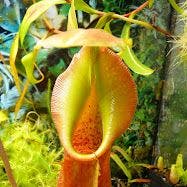
Soil Recommendations for Nepenthes ampullaria
Nepenthes ampullaria
By the Greg Editorial Team
Feb 09, 2024•3 min read
This article was created with the help of AI so we can cover more plants for you. May contain errors. See one? Report it here.
Nurture a thriving Nepenthes ampullaria 🌿 by mastering the perfect soil mix to dodge root rot and wilt!
- Mold signals distress: Excessive moisture harms Nepenthes ampullaria.
- Ideal soil mix: Sphagnum moss, perlite, and pine bark for health.
- Maintain low pH: Acidic conditions are crucial for thriving pitcher plants.
Spotting Trouble: Signs of Unhealthy Soil
🚩 Recognizing Red Flags
Mold on your soil isn't just unsightly—it's a warning. Fungal growth or a musty smell means your Nepenthes ampullaria is in distress. Excessive moisture is often the culprit, so if your soil feels more soggy than damp, it's time to reassess your watering routine.
🎯 The Impact on Your Pitcher Plant
Unhealthy soil doesn't just look bad; it hits your pitcher plant where it hurts. Poor soil can lead to stunted growth, fewer pitchers, or even root rot. Yellow leaves might not always spell trouble, but if the new growth is discolored or the entire plant loses its luster, it's likely crying out for a change.
The Perfect Blend: Components of Ideal Soil Mix
🌱 The Base Ingredients
Sphagnum moss, perlite, and pine bark aren't just soil components; they're the trifecta of Nepenthes ampullaria's happiness. Sphagnum moss retains moisture, creating a humid microclimate these pitcher plants adore. Perlite is the unsung hero, ensuring aeration and preventing soil compaction. Pine bark adds structure, slowly decomposing to offer a steady stream of nutrients.
🍋 Keeping It Acidic
Nepenthes ampullaria thrives in acidic conditions. The ideal pH level is a non-negotiable for these carnivorous plants. Sphagnum moss naturally maintains a lower pH, preventing your plant from experiencing a pH-induced meltdown. Remember, it's not just about feeding your plant; it's about crafting a home where it can flourish.
DIY Soil Crafting: Making Your Own Mix
🌱 Mixing It Right
Creating your own soil mix for Nepenthes ampullaria means precision and adaptability. Here's how to get the proportions spot on:
- Start with 2 parts sphagnum moss to retain moisture without waterlogging.
- Add 1 part perlite to ensure breathability and drainage.
- Introduce 1 part pine bark fines to add structure and mimic the plant's natural habitat.
Mix thoroughly; every root deserves the same chance at greatness.
🧼 Clean Start
Before you dive into mixing, sterilize your ingredients to ward off mold and pathogens. Bake pine bark and sphagnum moss at 200°F (93°C) for 30 minutes. Rinse perlite with boiling water. This isn't just cleanliness; it's giving your Nepenthes ampullaria a fighting chance in a clean environment.
Fixing the Foundation: Addressing Soil Issues
🚫 Mold Be Gone!
Mold in your Nepenthes ampullaria's soil is a no-go. It's a telltale sign of excess moisture and poor air circulation. Here's the game plan:
- Scrape off any visible mold from the soil surface.
- Cut back on watering and let the soil dry out a bit between sessions.
- If mold's a stubborn squatter, repot with a fresh, sterile mix.
🚰 Drainage and Aeration
Drainage isn't just a buzzword; it's critical for your pitcher plant's survival. Here's how to ensure your soil isn't drowning in despair:
- Check for drainage holes in your pot; if absent, make some.
- Mix in perlite or pumice to the soil to boost aeration.
- Consider a layer of gravel at the pot's base to keep water levels in check.
- Loosen up compacted soil to give your plant's roots the breathing room they deserve.
⚠️ Safety First
This content is for general information and may contain errors, omissions, or outdated details. It is not medical, veterinary advice, or an endorsement of therapeutic claims.
Always consult a qualified healthcare professional before using any plant as food, medicine, or supplement.
Never eat any plant (or feed one to pets) without confirming its identity with at least two trusted sources.
If you suspect poisoning, call Poison Control (800) 222-1222, the Pet Poison Helpline (800) 213-6680, or your local emergency service immediately.
Spotted an error? Please report it here.
Avoid mold and master the art of soil mixing for your pitcher plant with Greg's precise moisture monitoring 🍂 to keep your Nepenthes ampullaria thriving.