🥤 Top 3 Tips for Choosing Soil for Your Pitcher Plant
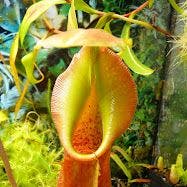
Nepenthes ampullaria
By the Greg Editorial Team
Oct 18, 2024•4 min read
This article was created with the help of AI so we can cover more plants for you. May contain errors. See one? Report it here.
Revitalize your Pitcher Plant's health with expert soil care tips and homemade mixes! 🌱
- 🌱 Recognize unhealthy soil signs like wilting leaves for better Pitcher Plant care.
- 🦠 Prevent moldy soil by ensuring good air circulation and proper watering practices.
- 🧪 Tailor your soil mix with sphagnum moss and perlite for optimal Pitcher Plant health.
Identifying Unhealthy Soil
Signs of Unhealthy Soil 🌱
Recognizing unhealthy soil is crucial for the well-being of your Pitcher Plant. Look for visual indicators like discoloration or wilting of leaves, which can signal distress.
Another sign is stunted growth or lack of vigor. If your plant seems to be struggling, it might be time to investigate the soil conditions.
Characteristics of Moldy Soil
Moldy soil can be a red flag for your Pitcher Plant's health. You might notice fuzzy white or green growth on the surface, which is often a sign of excess moisture or poor drainage.
Additionally, an unpleasant odor can indicate that the soil is not only unhealthy but also potentially harmful to your plant. Mold can compete with your Pitcher Plant for nutrients and water, leading to further issues.
Solutions for Unhealthy Soil Conditions 🛠️
If you suspect your soil is unhealthy, don’t worry—there are effective solutions. Start by removing the affected soil and replacing it with a fresh mix tailored for Pitcher Plants.
Next, improve air circulation around the plant. This can help prevent moisture buildup, which is often a culprit in unhealthy soil conditions.
Finally, adjust your watering practices to prevent over-saturation. Ensuring that your plant gets just the right amount of water is key to maintaining a healthy soil environment.
With these steps, you can revitalize your Pitcher Plant's soil and set it on the path to recovery. Now, let’s explore how to create a homemade soil mix that meets your plant’s specific needs.
Creating a Homemade Soil Mix
Creating the perfect soil mix for your Pitcher Plant is essential for its health and growth. Here’s a simple, step-by-step guide to get you started.
📝 Step-by-Step Guide
- Gather materials: You’ll need sphagnum moss, perlite, and optional amendments like orchid bark.
- Mix components: Combine these ingredients in a clean container to ensure a healthy environment for your plant.
- Adjust ratios: Tailor the mix based on the specific needs of your Pitcher Plant variety.
🥗 Recommended Ingredients
- Sphagnum moss: This ingredient is fantastic for providing moisture and aeration, essential for your plant's roots.
- Perlite: It enhances drainage, preventing water from pooling and causing root rot.
- Optional: Consider adding orchid bark for extra aeration, which can be beneficial for certain varieties.
⚖️ Tips for Adjusting Soil pH
Maintaining the right soil pH is crucial for nutrient absorption. Here are some methods to adjust it effectively.
Methods to Lower pH
- Incorporating sulfur: This can help lower the pH, making the soil more acidic.
- Adding peat moss: Another great option for acidifying your mix.
Methods to Raise pH
- Adding lime: Use this cautiously, as too much can drastically alter the pH.
Creating a homemade soil mix not only supports your Pitcher Plant's growth but also gives you a deeper connection to your gardening journey. With the right ingredients and adjustments, you’ll be well on your way to cultivating a thriving plant.
Next, let’s explore common soil problems and their solutions to keep your Pitcher Plant flourishing.
Common Soil Problems and Solutions
Addressing Compacted Soil Issues 🌱
Compacted soil can be a real headache for your Pitcher Plants. Look for signs like poor drainage and water pooling on the surface.
To tackle compaction, consider aerating the soil with a fork. This helps improve airflow and drainage. Alternatively, repotting your plant into fresh, loose soil can work wonders.
Dealing with Nutrient Imbalances ⚖️
Nutrient imbalances can manifest as leaf discoloration or abnormal growth patterns. If your Pitcher Plant isn't thriving, it might be time to investigate its nutrient levels.
Using low-nutrient soil mixes can help restore balance. Additionally, avoid fertilizers that could exacerbate the problem.
Preventing Soil Pests and Diseases 🐛
Pests like fungus gnats and root aphids can wreak havoc on your Pitcher Plant's soil. Keeping an eye out for these common culprits is essential for maintaining plant health.
To prevent infestations, maintain cleanliness around your plants and practice proper watering techniques. If pests do appear, beneficial nematodes or insecticidal soap can be effective solutions.
With these strategies, you can ensure your Pitcher Plants thrive in a healthy soil environment. Next, let’s explore how to create a homemade soil mix tailored to their unique needs.
⚠️ Safety First
This content is for general information and may contain errors, omissions, or outdated details. It is not medical, veterinary advice, or an endorsement of therapeutic claims.
Always consult a qualified healthcare professional before using any plant as food, medicine, or supplement.
Never eat any plant (or feed one to pets) without confirming its identity with at least two trusted sources.
If you suspect poisoning, call Poison Control (800) 222-1222, the Pet Poison Helpline (800) 213-6680, or your local emergency service immediately.
Spotted an error? Please report it here.
Ensure your Pitcher Plant thrives with tailored soil tips 🌿 from Greg, helping you create the perfect mix and maintain a healthy environment for vibrant growth!