🥤 How to Cure Leaves Falling Over on Your Pitcher Plant
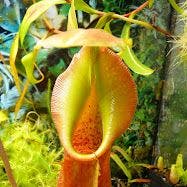
Nepenthes ampullaria
By the Greg Editorial Team
Oct 18, 2024•5 min read
This article was created with the help of AI so we can cover more plants for you. May contain errors. See one? Report it here.
Master the secrets to a thriving pitcher plant 🌱 by preventing leaf drop and ensuring vibrant growth!
- 🌡️ Maintain 20-30°C temperatures and stable conditions to prevent leaf dropping.
- 💧 Humidity levels of 50-80% are crucial; fluctuations stress pitcher plants.
- 🌱 Regularly check for pests and nutrient deficiencies to ensure vibrant, healthy leaves.
Causes of Leaf Dropping
🌡️ Environmental Stress Factors
Pitcher plants are sensitive to temperature fluctuations. They thrive in an ideal range of 20°C to 30°C (68°F to 86°F), so sudden changes can lead to leaf dropping.
Humidity also plays a crucial role. These plants prefer a humidity level of 50-80%, and any abrupt shifts can stress them out.
💧 Overwatering and Root Rot
Overwatering is a common issue that can lead to root rot. Look for signs like yellowing leaves and mushy roots, which indicate that your plant is drowning.
To prevent this, always use well-draining soil and pots with drainage holes. This simple step can save your plant from a soggy fate.
🚰 Underwatering and Drought Stress
On the flip side, underwatering can also cause problems. Symptoms include crispy, brown leaf edges and drooping leaves, signaling that your plant is thirsty.
Aim to keep the soil consistently moist but not soggy. Regular watering will help your pitcher plant stay hydrated and healthy.
🥦 Nutrient Deficiencies
Nutrient deficiencies can stunt your plant's growth. Common culprits include nitrogen, phosphorus, and potassium, which are essential for vibrant foliage and pitcher formation.
If you notice pale leaves or reduced pitcher production, it might be time to assess your plant's nutrient intake.
🐞 Pest Infestations
Pests can wreak havoc on your pitcher plant. Common offenders include aphids, spider mites, and mealybugs, which can cause significant damage.
Watch for signs like sticky residue, webbing, or visible insects on the leaves. Early detection is key to keeping your plant healthy and thriving.
Understanding these causes can help you take proactive steps to prevent leaf dropping. By addressing environmental factors, watering practices, nutrient needs, and pest issues, you can ensure your pitcher plant remains vibrant and healthy. Next, we’ll dive into how to diagnose the problem effectively.
Diagnosing the Problem
Observing Leaf Condition 🌿
Start by assessing the leaves of your pitcher plant. Healthy leaves are vibrant and firm, while drooping or discolored leaves signal distress.
Next, check the pitchers themselves. Full, plump pitchers indicate good health, whereas empty or shriveled ones suggest underlying issues.
Checking Soil Moisture Levels 💧
To determine soil moisture, use the finger test or a moisture meter. The soil should feel damp but not waterlogged.
Maintaining the right moisture level is crucial for your plant's health. Too much or too little water can lead to significant problems.
Inspecting for Pests 🐜
Conduct a visual inspection of your plant. Look closely at the leaves and soil for any signs of pests.
For a more detailed examination, consider using a magnifying glass. This can help you spot tiny invaders that might otherwise go unnoticed.
Evaluating Light Exposure ☀️
Evaluate the light conditions your pitcher plant is receiving. Ideally, it should bask in bright, indirect light for 12-14 hours daily.
If you notice stretching leaves or pale coloration, your plant may not be getting enough light. Adjust its position to ensure optimal growth.
By carefully diagnosing these aspects, you can pinpoint the issues affecting your pitcher plant. This understanding will guide you toward effective treatment and recovery strategies.
Treatment and Recovery
🌊 Adjusting Watering Practices
To keep your pitcher plant thriving, consider using distilled or rainwater. This helps prevent mineral buildup that can harm your plant.
Water your plant when the top inch of soil feels dry. This simple method ensures your plant gets just the right amount of moisture without drowning.
💧 Improving Humidity Levels
Humidity is crucial for pitcher plants. You can increase humidity by using a humidity tray or a room humidifier.
Aim for a humidity range of 50-80% for optimal growth. Maintaining this level mimics their natural habitat and promotes healthy development.
🍽️ Fertilization Techniques
When it comes to feeding your pitcher plant, opt for low-nitrogen, carnivorous plant-specific fertilizers. These are designed to meet their unique nutritional needs.
Apply fertilizer every 4-6 weeks during the growing season. This regular feeding schedule supports robust growth and vibrant pitchers.
🐞 Pest Control Methods
Pests can be a real headache for pitcher plants. Consider using organic options like neem oil or insecticidal soap to keep infestations at bay.
Regular monitoring is key. Catching pests early can save your plant from significant damage.
🌱 Repotting Guidelines
Repot your pitcher plant every 1-2 years or when it becomes root-bound. This helps ensure it has enough space to grow.
For the best results, use a soil mix of 1 part sphagnum moss and 1 part perlite. This combination provides excellent drainage and aeration for healthy roots.
By implementing these treatment and recovery strategies, you can help your pitcher plant bounce back and flourish. Next, let’s explore some preventative measures to keep your plant healthy long-term.
Preventative Measures
Ideal Growing Conditions 🌱
Creating the perfect environment for your pitcher plant is crucial. Aim for a temperature range of 20°C to 30°C (68°F to 86°F), with humidity levels between 50-80%.
Mimicking the plant's natural habitat helps it thrive. This means providing bright, indirect light for 12-14 hours daily to keep those vibrant leaves healthy.
Seasonal Care Adjustments 🌦️
As the seasons change, so should your care routine. Increase watering during the summer months when the plant is actively growing, and reduce it in winter when growth slows.
Keep an eye on temperature and humidity fluctuations. These changes can stress your plant, so adjust your care accordingly to maintain stability.
Regular Maintenance Tips 🧹
Routine checks are essential for a healthy pitcher plant. Regularly inspect for pests and monitor leaf health to catch any issues early.
Don't forget to clean the pitchers! This ensures they function properly and helps prevent mold or bacteria buildup.
Monitoring Plant Health 📓
Keeping a care journal can be a game-changer. Track changes in your plant's condition over time to identify patterns and adjust your care practices.
Regular assessments of environmental conditions will help you make necessary adjustments. Staying proactive is key to keeping your pitcher plant happy and healthy.
By implementing these preventative measures, you can create a thriving environment for your pitcher plant. This sets the stage for a successful journey into diagnosing and treating any issues that may arise.
⚠️ Safety First
This content is for general information and may contain errors, omissions, or outdated details. It is not medical, veterinary advice, or an endorsement of therapeutic claims.
Always consult a qualified healthcare professional before using any plant as food, medicine, or supplement.
Never eat any plant (or feed one to pets) without confirming its identity with at least two trusted sources.
If you suspect poisoning, call Poison Control (800) 222-1222, the Pet Poison Helpline (800) 213-6680, or your local emergency service immediately.
Spotted an error? Please report it here.
Keep your pitcher plant thriving 🌿 by using Greg's tailored care reminders and pest control tips to ensure it gets the perfect environment and attention it deserves!