🪴 Ultimate Guide to Light Requirements for Pitcher Plant
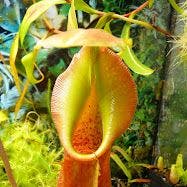
Nepenthes ampullaria
By the Greg Editorial Team
Oct 18, 2024•2 min read
This article was created with the help of AI so we can cover more plants for you. May contain errors. See one? Report it here.
Transform your pitcher plants' growth 🌱 and blooms 🌸 by mastering their unique light needs!
- 🌞 Pitcher plants need 12-16 hours of light daily for optimal growth and health.
- 🌿 Nepenthes thrive in bright, filtered light, while Sarracenia prefers full sun exposure.
- 💡 Use grow lights if natural light is insufficient to support pitcher plant growth.
Light Requirements for Pitcher Plants
Importance of Light 🌞
Light is crucial for photosynthesis, the process that fuels plant growth and health. For pitcher plants, which have unique adaptations for capturing prey, the right light conditions are essential to support both their energy needs and their carnivorous lifestyle.
Types of Light 💡
Natural Light
Nepenthes thrive in bright, filtered sunlight, making windows with sheer curtains ideal. In contrast, Sarracenia requires full sun exposure for at least six hours daily to flourish.
Artificial Light
When natural light isn't sufficient, grow lights become essential. LED and fluorescent grow lights are popular choices, each offering distinct benefits for enhancing growth.
UV light also plays a vital role in the health of pitcher plants. It supports their overall growth and helps maintain vibrant colors.
Light Intensity and Duration ⏳
Measuring Light Intensity
Different species of pitcher plants have varying light intensity needs, typically ranging from 200 to 800 µmol/m²/s. Light meters and smartphone apps can help you measure these levels accurately.
Light Duration
Pitcher plants generally require 12 to 16 hours of light daily. Seasonal adjustments are important; as the days grow shorter in winter, you may need to modify light exposure accordingly.
Indoor and Outdoor Light Guidance 🏡
Indoor Guidance
For indoor setups, east or west-facing windows are optimal, while north-facing windows should be avoided. When using grow lights, both LED and fluorescent options are suitable, but regular monitoring is key to adjusting light based on your plant's response.
Outdoor Guidance
Outdoor pitcher plants, like Sarracenia, thrive in full sun, while Nepenthes prefer partial shade. Be mindful of seasonal light variations; longer summer days may require different care compared to the shorter days of winter.
Impact of Light on Flowering 🌸
Specific light conditions can encourage flowering in pitcher plants. The quality and intensity of light are crucial for successful flowering, making it essential to provide the right environment for these unique plants.
Understanding the light requirements of pitcher plants is vital for their health and growth. With the right light conditions, you can cultivate a thriving collection of these fascinating carnivorous plants.
⚠️ Safety First
This content is for general information and may contain errors, omissions, or outdated details. It is not medical, veterinary advice, or an endorsement of therapeutic claims.
Always consult a qualified healthcare professional before using any plant as food, medicine, or supplement.
Never eat any plant (or feed one to pets) without confirming its identity with at least two trusted sources.
If you suspect poisoning, call Poison Control (800) 222-1222, the Pet Poison Helpline (800) 213-6680, or your local emergency service immediately.
Spotted an error? Please report it here.
Unlock the secret to thriving pitcher plants 🌱 with Greg's tailored light tips and monitoring features, ensuring they bask in the perfect glow for optimal growth!