🪣 Everything You Need to Know to Grow Pitcher Plant
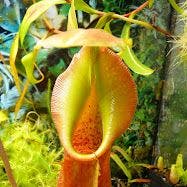
Nepenthes ampullaria
By the Greg Editorial Team
Oct 18, 2024•5 min read
This article was created with the help of AI so we can cover more plants for you. May contain errors. See one? Report it here.
Master the art of Pitcher Plant care 🌱 and transform your space into a vibrant, thriving oasis!
- 🌞 Pitcher Plants need 6+ hours of sunlight; Nepenthes prefer partial shade to thrive.
- 💧 Humidity levels of 50-80% are crucial for robust Pitcher Plant growth.
- 🌱 Use a sphagnum moss mix for ideal drainage; avoid standard potting soil.
Choosing the Right Location
Sunlight Requirements 🌞
Finding the right light is crucial for your Pitcher Plants. They thrive in full sun, but some varieties, like Nepenthes, prefer partial shade to prevent leaf burn.
Sarracenia, on the other hand, loves basking in bright sunlight. Aim for at least 6 hours of direct sunlight daily for optimal growth.
Humidity Considerations 💧
Humidity plays a vital role in the health of your Pitcher Plants. Ideally, you want to maintain humidity levels between 50-80% for robust growth.
To achieve this, consider methods like misting your plants, using humidity trays filled with water, or even placing them in terrariums. These techniques can create a cozy, humid environment that your plants will love.
With the right location secured, you’re well on your way to nurturing thriving Pitcher Plants. Next, let’s dive into soil preparation to set the foundation for their growth.
Soil Preparation
Ideal Soil Mix 🌱
Creating the perfect soil mix is crucial for your Pitcher Plants. A blend of sphagnum moss, perlite, and sand provides the ideal environment for these unique plants.
Avoid standard potting soil at all costs. It retains too much moisture and can lead to root rot, which is a death sentence for your Pitcher Plants.
pH Levels and Drainage ⚖️
Maintaining the right pH level is essential for healthy growth. Aim for a pH range of 4.5 to 6.5 to keep your plants thriving.
Good drainage is equally important. It prevents water from pooling around the roots, reducing the risk of root rot and ensuring your plants stay healthy and vibrant.
With the right soil preparation, your Pitcher Plants will be set up for success. Next, let’s dive into effective planting techniques to help you get started!
Planting Techniques
Step-by-Step Planting Guide 🌱
Planting your Pitcher Plant is straightforward. Follow these simple steps for success:
- Prepare the soil mix and container: Use a blend of sphagnum moss, perlite, and sand for optimal drainage.
- Position the plant in the container: Gently place the plant in the center, ensuring the roots are spread out.
- Fill in around the roots with the soil mix: Add the soil mix carefully, avoiding any damage to the roots.
- Water thoroughly with distilled or rainwater: Ensure the soil is moist but not soggy to promote healthy growth.
Container vs. Outdoor Planting 🌍
Deciding between container and outdoor planting can impact your Pitcher Plant's health.
Container Growing:
- Pros: Easier to control soil conditions and mobility for optimal sunlight.
- Cons: Limited space for growth and potential for quicker drying out.
Outdoor Planting:
- Best Practices: Choose a location with plenty of sunlight and ensure the soil drains well.
Spacing and Arrangement 📏
Proper spacing is crucial for your Pitcher Plants to thrive.
- Recommended Spacing: For Sarracenia, allow about 12-18 inches between plants. Nepenthes can be spaced 18-24 inches apart.
- Companion Planting: Consider pairing with other carnivorous plants like sundews or Venus flytraps, which can share similar care needs.
By following these planting techniques, you set the stage for a flourishing Pitcher Plant garden. Next, let’s dive into the essential aspects of watering and fertilizing to keep your plants thriving.
Watering and Fertilizing
💧 Watering Needs
Types of Water
Using the right type of water is crucial for your Pitcher Plants. Distilled or rainwater is ideal, as it’s free from harmful chemicals found in tap water.
Avoid tap water at all costs; the chlorine and minerals can harm these delicate plants.
Frequency and Signs of Over/Under-Watering
Maintaining a consistent watering schedule is key. Keep the soil moist but not soggy to promote healthy growth.
Watch for signs of over-watering, like yellowing leaves or root rot. Conversely, if you notice wilting or dried pitchers, your plant may be under-watered.
🌱 Fertilizing
Recommended Fertilizers
When it comes to fertilizing, choose wisely. Diluted orchid fertilizer or fish emulsion works wonders for carnivorous plants.
These options provide the nutrients they need without overwhelming them.
Frequency and Method of Application
Stick to a fertilizing schedule of every 4-6 weeks during the growing season. This regular feeding helps your plants thrive.
You can apply fertilizers through foliar feeding or directly into the soil. Both methods are effective, so choose what works best for you.
With proper watering and fertilizing, your Pitcher Plants will flourish. Next, let’s explore common challenges and solutions to ensure your plants stay healthy and vibrant.
Common Challenges and Solutions
🐛 Identifying and Managing Pests and Diseases
Pitcher plants can attract a few common pests, including aphids, spider mites, and mealybugs. Keep an eye out for signs like sticky residue, webbing, or white cottony masses on your plants.
To control these pests, consider using insecticidal soap or neem oil. Regularly inspecting your plants can help catch infestations early, making treatment easier.
📉 Troubleshooting Growth Issues
Stunted growth, yellowing leaves, and poor pitcher formation can signal underlying issues. Check your care routine, as these problems often stem from incorrect watering, light, or humidity levels.
Improving growth conditions may involve adjusting your watering schedule or relocating your plant to a brighter spot. Observing your plant's response can guide you in fine-tuning its environment.
🌱 Tips for Successful Cultivation Techniques
Patience and observation are key in plant care. Take the time to understand your pitcher plant's needs and watch for changes in its health.
Utilizing resources like the Greg plant care app can help you stay organized. Set reminders for watering and fertilizing, ensuring your plant gets the attention it deserves.
With these strategies in hand, you'll be well-equipped to tackle common challenges and foster a thriving pitcher plant. Next, let's explore the essential watering and fertilizing techniques to keep your plant healthy and vibrant.
⚠️ Safety First
This content is for general information and may contain errors, omissions, or outdated details. It is not medical, veterinary advice, or an endorsement of therapeutic claims.
Always consult a qualified healthcare professional before using any plant as food, medicine, or supplement.
Never eat any plant (or feed one to pets) without confirming its identity with at least two trusted sources.
If you suspect poisoning, call Poison Control (800) 222-1222, the Pet Poison Helpline (800) 213-6680, or your local emergency service immediately.
Spotted an error? Please report it here.
Transform your Pitcher Plant journey into a thriving success 🌱 with Greg's tailored care reminders and expert tips that ensure your plants get the perfect environment they need!