🪴 When and How to Repot Your Pitcher Plant
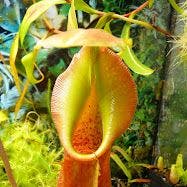
Nepenthes ampullaria
By the Greg Editorial Team
Oct 18, 2024•7 min read
This article was created with the help of AI so we can cover more plants for you. May contain errors. See one? Report it here.
Transform your pitcher plant's health by mastering the signs and steps for successful repotting! 🌱✨
- 🌱 Repot when roots crowd drainage holes or growth becomes stunted for optimal health.
- 🏺 Best time to repot is late winter to early spring, aligning with growth season.
- 💧 Ensure proper drainage and humidity to prevent stress and promote recovery post-repotting.
Signs That Your Pitcher Plant Needs Repotting
Physical Indicators 🌱
One of the first signs that your pitcher plant needs repotting is root crowding. If you notice roots growing out of the drainage holes, it's time to give your plant a new home.
Another indicator is stunted growth. If your plant is producing fewer new growths or the pitchers are smaller than usual, it might be struggling for space.
Lastly, check for soil degradation. If the soil appears compacted or discolored, it’s likely lost its effectiveness and needs to be refreshed.
Environmental Changes 🌍
Keep an eye out for poor drainage. If water pools on the surface after watering, your plant may not be able to absorb moisture properly.
Additionally, watch for pest infestations. An increased presence of pests in the soil can signal that your plant is in distress and may need repotting.
Timing Considerations ⏰
Finally, consider seasonal changes. If you notice shifts in growth patterns with the seasons, it may be a cue that your pitcher plant needs a new pot to thrive.
Recognizing these signs early can help ensure your pitcher plant remains healthy and vibrant. Next, let’s explore the best time of year to repot your pitcher plant for optimal results.
Best Time of Year to Repot Pitcher Plant
🌱 Seasonal Timing
The best months to repot your pitcher plant are late winter to early spring. This timing aligns perfectly with the onset of the growing season, allowing your plant to thrive in its new environment.
Avoid repotting during dormancy, especially for species like Sarracenia and Nepenthes. Understanding when your plant is resting ensures it can recover and adapt without unnecessary stress.
🌡️ Environmental Factors
Temperature plays a crucial role in successful repotting. Aim for consistent temperatures above 15°C (59°F) to encourage healthy growth.
Humidity is equally important during this process. Maintaining high humidity levels helps your pitcher plant adjust to its new pot without drying out.
Step-by-Step Guide to Repotting Pitcher Plant
Repotting your pitcher plant can seem daunting, but with the right approach, it’s a straightforward process. Follow these steps to ensure your plant thrives in its new home.
1. Gather Materials 🛠️
Start by collecting everything you need: a new pot, suitable potting mix, and tools like a trowel and scissors. Having everything on hand will make the process smoother.
2. Remove the Plant from Its Current Pot 🌱
Gently loosen the soil around the edges of the pot. Carefully lift the plant out, taking care not to damage the roots.
3. Inspect the Roots 🔍
Once removed, check the roots for any dead or damaged sections. Use sterilized scissors to trim away unhealthy roots, ensuring the plant's overall health.
4. Prepare the New Pot 🪴
Select a pot with adequate drainage holes to prevent waterlogging. Add a layer of potting mix to the bottom to provide a stable base for your plant.
5. Position the Plant 📍
Center the pitcher plant in the new pot. Fill in around the roots with potting mix, making sure the plant is stable and secure.
6. Water the Plant 💧
After positioning, water the plant thoroughly to help settle the soil. Ensure that excess water drains out to avoid root rot.
7. Place in a Suitable Location 🌞
Finally, choose a spot with the right light and humidity levels. This will help your pitcher plant adjust and thrive in its new environment.
By following these steps, you’ll set your pitcher plant up for success. Next, let’s explore the best pot materials to use for your plant.
Pot Material Options
Best Pot Materials for Pitcher Plant 🌱
Choosing the right pot material is crucial for your pitcher plant's health. Terracotta pots are a popular choice due to their breathability and ability to regulate moisture, allowing roots to breathe while preventing overwatering.
On the other hand, plastic pots are lightweight and excellent at retaining moisture. They can be a practical option, especially for beginners, as they help maintain consistent humidity levels around the roots.
Pot Materials to Avoid for Pitcher Plant 🚫
While selecting pot materials, it's essential to know what to avoid. Metal pots can overheat in direct sunlight, risking root damage and stressing your plant.
Additionally, steer clear of non-breathable plastic pots. These can trap moisture and lead to root rot, which is detrimental to your pitcher plant's health.
Benefits of Using Breathable Pots 🌬️
Opting for breathable pots has significant advantages. They enhance air circulation, promoting healthy root growth and preventing the stagnation of moisture.
Moreover, breathable pots reduce the risk of overwatering, helping you maintain optimal moisture levels. This balance is vital for the thriving of your pitcher plant.
In summary, selecting the right pot material is a key step in ensuring your pitcher plant flourishes. Next, let’s explore the ideal soil requirements to further support its growth.
Soil Requirements
Ideal Potting Mix for Pitcher Plant 🌱
Creating the perfect potting mix is crucial for your pitcher plant's health. Aim for a blend of 50% sphagnum moss, 25% perlite, and 25% orchid bark.
This combination ensures that your plant has the right balance of moisture retention and aeration. Additionally, maintaining a soil pH between 4.5 and 5.5 is essential for optimal nutrient absorption.
Importance of Drainage in Potting Soil 🚰
Proper drainage is vital to prevent root rot, a common issue for pitcher plants. Waterlogged conditions can suffocate roots, leading to decline.
To enhance drainage, consider mixing in additional perlite or sand. These materials help create air pockets, allowing excess water to escape and keeping your plant's roots healthy.
With the right soil mix and drainage techniques, your pitcher plant will thrive. Next, let’s explore the best pot materials to use for your plant.
Post-Repotting Care
🌱 How to Care for Pitcher Plant After Repotting
After repotting your pitcher plant, establishing a proper care routine is crucial. Keep the soil consistently moist but not soggy; overwatering can lead to root rot.
Light is another key factor. Gradually reintroduce your plant to bright, indirect light to help it acclimate without shock.
🚨 Signs of Stress After Repotting and How to Address Them
Watch for signs of stress, such as wilting or drooping leaves. If you notice these symptoms, adjust your watering and humidity levels accordingly.
Yellowing pitchers can indicate deeper issues. Check for root damage or poor soil conditions to ensure your plant's health.
By staying attentive to these care tips, your pitcher plant will thrive in its new home. Next, let’s explore common repotting mistakes to avoid for a smoother experience.
Common Repotting Mistakes
Mistakes to Avoid When Repotting Pitcher Plant 🌱
Repotting your pitcher plant can be a delicate process. One common mistake is overwatering immediately after repotting; it's crucial to let the plant adjust to its new environment first.
Another pitfall is using inappropriate soil. Ensure you select the right potting mix to support your plant's unique needs.
How to Prevent Root Damage During Repotting 🛠️
Gentle handling is key to a successful repotting. Avoid pulling on the plant; instead, support the root ball to minimize stress.
Using sterilized tools is also essential. This practice reduces the risk of infection and promotes healthy growth as your plant settles into its new home.
By avoiding these mistakes, you set your pitcher plant up for success. Next, let’s explore the environmental considerations that can impact your plant during and after repotting.
Environmental Considerations
Impact of Temperature and Humidity on Repotting 🌡️
When repotting your pitcher plant, aim for an ideal temperature range of 20°C to 30°C (68°F to 86°F). This warmth encourages healthy root growth and minimizes shock.
Humidity is equally crucial. Use humidity trays or mist the plant regularly to maintain a moist environment, which supports recovery after repotting.
How to Acclimate Your Pitcher Plant Post-Repotting 🌱
After repotting, gradually expose your pitcher plant to light. Start with low light conditions and slowly increase the intensity over a week to prevent stress.
Keep a close eye on environmental conditions. Maintaining high humidity levels during this acclimation period is vital for your plant's health and overall recovery.
⚠️ Safety First
This content is for general information and may contain errors, omissions, or outdated details. It is not medical, veterinary advice, or an endorsement of therapeutic claims.
Always consult a qualified healthcare professional before using any plant as food, medicine, or supplement.
Never eat any plant (or feed one to pets) without confirming its identity with at least two trusted sources.
If you suspect poisoning, call Poison Control (800) 222-1222, the Pet Poison Helpline (800) 213-6680, or your local emergency service immediately.
Spotted an error? Please report it here.
Repotting your pitcher plant is crucial for thriving growth 🌱, and with Greg's tailored reminders and expert tips, you'll make the transition seamless and successful!