🪴 Why Your Pitcher Plant Buds Won't Open
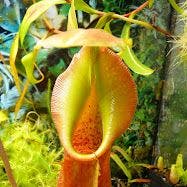
Nepenthes ampullaria
By the Greg Editorial Team
Oct 18, 2024•6 min read
This article was created with the help of AI so we can cover more plants for you. May contain errors. See one? Report it here.
Master light and nutrition 🌱 to unlock stunning blooms in your Pitcher Plants with these essential care tips!
- 🌞 Pitcher Plants need 12-16 hours of light daily to bloom effectively.
- 🌱 Proper nutrition and regular fertilization boost blooming potential significantly.
- 🌡️ Stable temperature and humidity are crucial for healthy flower development.
Failure to Bloom
🌞 Causes
Insufficient Light
Adequate light is crucial for triggering blooms in Pitcher Plants. If your plant has elongated stems and pale foliage, it’s a clear sign that it’s not getting enough light.
Improper Nutrition
Nutrient deficiencies can significantly affect flower initiation. In their native habitat, Pitcher Plants rely on insect-derived nutrients, making proper nutrition essential for blooming.
Environmental Stress
Temperature extremes and humidity levels can create stress that hampers blooming. Keeping an eye on these factors is vital for a healthy flowering cycle.
💡 Solutions
Adjusting Light Exposure
Aim for 12-16 hours of bright, indirect light daily. If natural light falls short, consider using grow lights to supplement.
Fertilization Tips
Choose fertilizers specifically designed for Pitcher Plants. Apply them regularly, following the recommended frequency to boost blooming potential.
Stress Management
To reduce environmental stress, monitor temperature and humidity levels closely. Implementing small adjustments can make a big difference in your plant's health and blooming success.
By addressing these causes and implementing the suggested solutions, you can help your Pitcher Plant thrive and bloom beautifully. Next, let’s explore the issue of premature flower drop and how to tackle it effectively.
Premature Flower Drop
🌡️ Causes
Temperature Fluctuations
Sudden temperature changes can wreak havoc on your Pitcher Plants, leading to premature flower drop. Ideally, these plants thrive in a stable temperature range of 70°F to 85°F during blooming.
Water Stress
Both overwatering and underwatering can stress your plants, affecting flower health. Look for signs like wilting or yellowing leaves, which indicate that your plant is struggling with water stress.
Pest Infestations
Pests can be a hidden enemy, causing significant stress that leads to bud drop. Common culprits include aphids and spider mites, which can be spotted through wilting or discolored foliage.
💡 Solutions
Maintaining Stable Conditions
Creating a consistent environment is crucial for your Pitcher Plants. Regularly monitor temperature and humidity levels to ensure they remain within the ideal range.
🐞 Pest Control Methods
Identifying pests early can save your blooms. Use organic options like neem oil or insecticidal soap, or consider chemical treatments if the infestation is severe.
By addressing these factors, you can help your Pitcher Plants retain their beautiful blooms. Next, let’s explore how to manage abnormal flower development for even healthier plants.
Abnormal Flower Development
🌱 Causes
Genetic Factors
Genetic traits play a crucial role in flower morphology. In Sarracenia species, common genetic anomalies can lead to unexpected flower shapes or colors.
Nutrient Imbalances
Nutrient levels directly impact flower development. Watch for signs of excess or deficiency, as specific nutrients are vital for healthy blooms.
Improper Pruning
Incorrect pruning techniques can hinder flower formation. Avoid common mistakes, like cutting too much or at the wrong time, to ensure optimal growth.
🛠️ Solutions
Identifying Genetic Issues
Recognizing genetic abnormalities is key to managing abnormal flower development. If you notice unusual traits, consider consulting with a specialist.
Correcting Nutrient Deficiencies
To address nutrient imbalances, use recommended soil amendments and fertilizers. Look for signs of recovery, such as new growth or improved color, after adjustments.
Pruning Best Practices
Timing and technique are essential for effective pruning. Use sharp tools to minimize stress and ensure clean cuts, promoting healthier blooms.
Understanding these factors can significantly improve your Pitcher Plants' flowering potential. With the right care and attention, you can enjoy vibrant blooms that showcase their unique beauty.
Environmental Factors Affecting Flowering
🌞 Light Requirements
Light is crucial for blooming in Pitcher Plants. The intensity and duration of light directly influence flower production, making it essential to provide adequate exposure.
Types of Light
When it comes to lighting, you have two main options: natural and artificial. Natural light is often preferred, but it can be inconsistent; artificial light, like grow lights, can provide a reliable alternative.
- Natural Light: Offers a spectrum beneficial for growth but may vary with seasons.
- Artificial Light: Provides consistent exposure, but you must choose the right type to mimic natural conditions.
For optimal results, aim for 12-16 hours of bright, indirect light daily. This setup encourages robust blooming and healthy plant growth.
🍽️ Nutritional Needs
Essential nutrients play a vital role in promoting healthy blooms. Pitcher Plants thrive on specific nutrients, and deficiencies can lead to poor flowering.
Key Nutrients
Look out for these critical nutrients:
- Nitrogen: Supports overall growth and leaf health.
- Phosphorus: Crucial for flower development.
- Potassium: Enhances flower quality and resilience.
Signs of nutrient deficiency include yellowing leaves and stunted growth. Addressing these issues promptly can lead to a more vibrant bloom.
Recommended Fertilizers
Choosing the right fertilizer is key. Opt for fertilizers high in phosphorus to support flowering.
- Types: Liquid fertilizers or slow-release granules work well.
- Application: Fertilize every 4-6 weeks during the growing season for best results.
✂️ Pruning Techniques
Pruning significantly impacts flower development. Proper techniques can encourage more blooms and healthier plants.
Relationship Between Pruning and Bloom Production
Effective pruning helps redirect energy towards flower production rather than maintaining excess foliage. This can lead to a more vibrant display.
Best Practices for Pruning
Timing is everything. Prune during the dormant season to minimize stress on the plant. Use clean, sharp tools to make precise cuts, which helps prevent damage.
- Tools: Scissors or pruning shears are ideal for clean cuts.
- Techniques: Focus on removing dead or overcrowded growth to promote airflow and light penetration.
By following these guidelines, you can enhance the blooming potential of your Pitcher Plants, ensuring they thrive and produce stunning flowers.
As you consider these environmental factors, remember that each element plays a role in the overall health and flowering of your plants. Next, we’ll explore seasonal considerations that can further influence blooming success.
Seasonal Considerations
🌸 Bloom Cycle
Understanding the natural bloom cycle of Pitcher Plants is essential for any enthusiast. Typically, Sarracenia species flower in the spring, with blooms emerging as temperatures rise and daylight increases.
Several factors influence this cycle, including temperature, light exposure, and overall plant health. A well-timed combination of these elements can lead to a stunning display of flowers.
🌱 Seasonal Care Adjustments
To promote flowering, seasonal care adjustments are crucial. In spring, increase light exposure and ensure your plants receive adequate nutrients to support blooming.
During the winter months, reduce watering and maintain cooler temperatures to mimic natural dormancy. This preparation sets the stage for a vibrant bloom cycle come spring.
💤 Dormancy Effects
Dormancy significantly impacts flowering in Pitcher Plants. Understanding this period is vital, as it allows the plant to conserve energy and prepare for the next growth phase.
During dormancy, the plant may appear lifeless, but this phase is essential for healthy blooms later on. Recognizing the signs of dormancy can help you provide the right care.
🛌 Managing Dormancy
To support your Pitcher Plants during dormancy, maintain appropriate conditions. Keep temperatures cool but not freezing, and reduce watering to prevent root rot.
Monitoring humidity levels is also important. A stable environment will help your plants emerge from dormancy ready to bloom beautifully.
By understanding the bloom cycle and dormancy effects, you can ensure your Pitcher Plants thrive. This knowledge not only enhances your gardening skills but also fosters a deeper connection with these fascinating plants.
Next, we’ll explore the environmental factors that affect flowering, including light requirements and nutritional needs.
⚠️ Safety First
This content is for general information and may contain errors, omissions, or outdated details. It is not medical, veterinary advice, or an endorsement of therapeutic claims.
Always consult a qualified healthcare professional before using any plant as food, medicine, or supplement.
Never eat any plant (or feed one to pets) without confirming its identity with at least two trusted sources.
If you suspect poisoning, call Poison Control (800) 222-1222, the Pet Poison Helpline (800) 213-6680, or your local emergency service immediately.
Spotted an error? Please report it here.
Unlock your Pitcher Plant's blooming potential 🌼 by using Greg's tailored care reminders to provide the perfect light, nutrients, and environment they crave for vibrant flowers!