🌞 Ultimate Guide to Direct Sunlight for Pitcher Plant
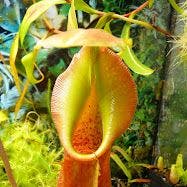
Nepenthes ampullaria
By the Greg Editorial Team
Oct 18, 2024•4 min read
This article was created with the help of AI so we can cover more plants for you. May contain errors. See one? Report it here.
Unlock your pitcher plants' potential 🌱 by mastering their sunlight needs for vibrant growth and thriving health!
- 🌞 Pitcher plants thrive in bright light, but not all need full direct sunlight.
- 🌿 Variety matters: Nepenthes and Sarracenia have different sunlight tolerance levels.
- 🔥 Excessive sunlight can cause sunburn, leading to browning and wilting leaves.
Pitcher Plant and Sunlight Tolerance
🌞 Does Pitcher Plant Need Direct Sunlight?
Pitcher plants thrive in bright light, but they don't necessarily require full direct sunlight. Understanding the specific needs of different varieties, like Nepenthes and Sarracenia, is crucial for optimal growth.
☀️ Can Pitcher Plant Tolerate Direct Sunlight?
Some pitcher plant varieties can handle direct sunlight, while others prefer the gentler touch of indirect light. Factors such as humidity and temperature significantly influence their tolerance levels.
🔥 Effects of Too Much Direct Sunlight on Pitcher Plant
Excessive direct sunlight can lead to sunburn, with symptoms like browning or wilting leaves. Over time, prolonged exposure can weaken the plant and impair its ability to capture prey, impacting its overall health.
Understanding these aspects of sunlight tolerance is essential for nurturing healthy pitcher plants. Next, we'll explore how window direction plays a vital role in maximizing sunlight exposure for these fascinating plants.
Window Direction and Sunlight
🌞 Importance of Window Direction for Sunlight Exposure
The direction of your windows plays a crucial role in how much sunlight your Pitcher Plant receives. South-facing windows typically provide the most direct sunlight, making them ideal for many varieties.
In contrast, north-facing windows offer more indirect light. This can be suitable for certain Pitcher Plant varieties that prefer less intense sunlight.
🌍 How Different Hemispheres Affect Sunlight Intensity
Sunlight intensity varies significantly depending on your hemisphere. In the Northern Hemisphere, the sun is lower in the winter, which can reduce light exposure for your plants.
Conversely, in the Southern Hemisphere, the seasonal changes are reversed. Understanding these differences can help you make better placement decisions for your Pitcher Plants.
🪴 Best Window Placements for Pitcher Plants
For optimal growth, aim to place your Pitcher Plants in south or west-facing windows. These locations generally provide the maximum light exposure they crave.
If the sunlight is too harsh, consider using sheer curtains. This can help diffuse the light, protecting your plants while still allowing them to thrive.
Signs of Sunlight Stress
🌞 Identifying Sunburn on Pitcher Plants
Sunburn is a common issue for pitcher plants exposed to excessive direct sunlight. Look for symptoms like brown tips or patches on leaves, which indicate damage.
Crispy or dry leaves are also telltale signs of sunburn. If you notice these changes, it’s time to reassess your plant's light exposure.
🌑 Symptoms of Insufficient Sunlight
On the flip side, insufficient sunlight can lead to its own set of problems. If your pitcher plant starts stretching or leaning towards the light source, it’s a clear sign it's not getting enough light.
Additionally, color changes in the leaves, such as fading or losing vibrancy, can indicate that your plant is craving more sunlight.
🌱 Recovery Tips for Stressed Pitcher Plants
If your pitcher plant shows signs of stress, don’t worry; recovery is possible. Start by gradually acclimating the plant to brighter conditions to avoid shock.
Also, keep humidity levels high to support recovery. This will help your plant bounce back and thrive in its environment.
With proper care, your pitcher plant can regain its health and continue to flourish.
Seasonal Considerations
🌞 How Sunlight Needs Change with Seasons
As the seasons shift, so do the sunlight needs of your pitcher plants. In summer, the intensity of sunlight increases, providing ample energy for growth, while winter brings a reduction in light, which can affect your plant's health.
To adapt, consider moving your plants closer to windows during the colder months. This simple adjustment can help ensure they receive the light they need to thrive.
📅 Adjusting Light Exposure During Different Times of the Year
In summer, keep a close eye on your pitcher plants for signs of sunburn. If you notice browning or wilting, it might be time to provide some shade to protect them from harsh rays.
During winter, ensure your plants still get adequate light. If natural sunlight isn't enough, think about using supplemental grow lights to keep them healthy and vibrant.
Common Misconceptions
🌞 Myths About Pitcher Plant Sunlight Needs
One common misconception is that all Pitcher Plants thrive in full sun. In reality, different varieties have unique light requirements that can significantly affect their growth.
For instance, while some Nepenthes species enjoy bright, indirect light, Sarracenia may prefer more direct sunlight. Understanding these differences is crucial for keeping your plants healthy.
💡 Clarifying the Role of Sunlight in Carnivorous Plant Health
Sunlight plays a vital role in the health of Pitcher Plants, as it is essential for photosynthesis. Without adequate light, these fascinating plants struggle to produce energy, which can lead to poor growth and vitality.
However, balance is key. Too much sunlight can cause stress, while too little can stunt their development. It's all about finding that sweet spot for optimal health.
⚠️ Safety First
This content is for general information and may contain errors, omissions, or outdated details. It is not medical, veterinary advice, or an endorsement of therapeutic claims.
Always consult a qualified healthcare professional before using any plant as food, medicine, or supplement.
Never eat any plant (or feed one to pets) without confirming its identity with at least two trusted sources.
If you suspect poisoning, call Poison Control (800) 222-1222, the Pet Poison Helpline (800) 213-6680, or your local emergency service immediately.
Spotted an error? Please report it here.
Master the art of sunlight balance for your pitcher plants 🌱 with Greg's tailored care tips that help you find the perfect light conditions for thriving growth!