Why Pitcher Plant Is Not an Annual 🏺
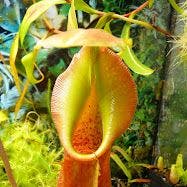
Nepenthes ampullaria
By the Greg Editorial Team
Oct 18, 2024•5 min read
This article was created with the help of AI so we can cover more plants for you. May contain errors. See one? Report it here.
Unlock the secrets of pitcher plants 🌺 to enhance your garden's beauty and biodiversity with their unique traits!
- 🌱 Pitcher plants are perennials, thriving for years unlike short-lived annuals.
- 🦗 Their unique pitchers trap insects, providing essential nutrients for growth.
- 🌍 Adapted to nutrient-poor soils, they flourish where true annuals struggle.
Pitcher Plant Characteristics
🧬 Genetic Traits
The genetic makeup of pitcher plants is fascinating. Their chromosomal structure is uniquely adapted for perennial growth, allowing them to thrive year after year.
Genetic diversity among species also plays a crucial role. Variations in traits can significantly affect their longevity and resilience in different environments.
🌱 Physiological Traits
One of the most striking features of pitcher plants is their modified leaves. These leaves form specialized pitchers that trap insects, providing essential nutrients in nutrient-poor soils.
Additionally, pitcher plants have developed unique adaptations to thrive in these challenging environments. Their mechanisms for nutrient acquisition are vital for their survival and growth.
⏳ Long-Term Lifecycle
Pitcher plants boast impressive lifespans, often living for several years and sometimes exceeding a decade. This longevity is a testament to their robust genetic and physiological traits.
Their seasonal growth patterns are equally intriguing. They actively grow during warmer months but enter a state of dormancy in colder months, conserving energy and resources.
This combination of genetic, physiological, and lifecycle traits underscores why pitcher plants are not classified as annuals. Understanding these characteristics enriches our appreciation for these remarkable plants and sets the stage for exploring their growth and reproductive strategies.
Growth and Reproductive Strategies
🌱 Growth Patterns
Pitcher plants exhibit distinct seasonal growth patterns. They emerge in spring, showcasing vibrant foliage, and reach full growth by summer.
As temperatures drop, these plants enter a dormancy phase. During winter, their leaves die back, but the root system remains intact, ready to spring back to life when conditions improve.
🌼 Flowering Cycles
Typically, pitcher plants flower in spring or summer. This timing aligns with their active growth period, maximizing pollination opportunities.
Their unique flower structure is specifically adapted for effective pollination. These adaptations ensure that they attract the right pollinators, enhancing their reproductive success.
🌾 Seed Production and Dispersal Methods
Pitcher plants have developed efficient mechanisms for producing viable seeds. This ensures that they can continue their lineage even in challenging environments.
For seed dispersal, they utilize various strategies. Wind, water, and animal-assisted methods all play a role in spreading their seeds, allowing them to colonize new areas effectively.
Understanding these growth and reproductive strategies highlights why pitcher plants are not annuals. Their ability to thrive over multiple seasons sets them apart, paving the way for a deeper exploration of their lifecycle compared to true annuals.
Comparative Analysis
Lifecycle Comparison: Pitcher Plant vs. True Annuals 🌱
Pitcher plants are perennial, meaning they live for multiple years, unlike true annuals that complete their lifecycle in just one season. This longevity allows pitcher plants to develop complex structures and strategies for survival, while annuals must rush through growth and reproduction.
In terms of growth and reproductive timing, pitcher plants typically flower in late spring or summer, aligning with their active growth phase. True annuals, on the other hand, often bloom and set seeds within a few months, racing against the clock to ensure their lineage continues.
Environmental Factors Affecting Classification 🌍
Nutrient availability plays a crucial role in distinguishing pitcher plants from annuals. Pitcher plants thrive in nutrient-poor soils, adapting their unique structures to capture insects for essential nutrients. In contrast, annuals often require richer soil to support their rapid growth and reproduction.
Climate influences also significantly affect the classification of these plants. Pitcher plants are adapted to specific temperature and moisture conditions, allowing them to endure seasonal changes. Annuals, however, are more sensitive to these factors, often struggling in less-than-ideal environments.
Understanding these differences not only highlights the unique characteristics of pitcher plants but also emphasizes their resilience in challenging conditions. This knowledge sets the stage for exploring their role in garden design and management.
Garden Design Implications
Benefits of Using Pitcher Plant in Perennial Gardens 🌺
Pitcher plants are a stunning addition to any perennial garden. Their unique structure and vibrant colors can elevate the aesthetic appeal, making your garden a visual feast.
Beyond looks, these plants offer significant ecological benefits. They attract beneficial insects and pollinators, enhancing biodiversity and supporting a healthy garden ecosystem.
Planning Garden Layouts 🗺️
When planning your garden, consider companion planting with pitcher plants. Pairing them with other perennials can create a harmonious environment that maximizes growth and visual impact.
Spatial considerations are crucial for optimal growth. Ensure pitcher plants receive adequate sunlight and moisture by placing them in well-drained areas, allowing their unique adaptations to thrive.
Incorporating pitcher plants into your garden not only beautifies the space but also fosters a thriving ecosystem. As you design your layout, keep these tips in mind for a successful perennial garden.
Next, let’s explore effective management tips for keeping your pitcher plants healthy and vibrant.
Management Tips for Gardeners
🌱 Best Practices for Maintaining Pitcher Plant
To thrive, pitcher plants require specific soil conditions. They prefer acidic, nutrient-poor substrates, which mimic their natural habitats.
Watering is equally crucial. Ensure consistent moisture without waterlogging, as excess water can lead to root rot.
🕰️ Maximizing Longevity and Health
Seasonal care is vital for pitcher plants. Adjust your maintenance routine according to their growth and dormancy phases to keep them healthy.
It's also important to address common misconceptions. Many gardeners mistakenly treat pitcher plants like annuals, but understanding their perennial nature is key to preventing mismanagement.
By following these tips, you can enjoy the unique beauty and ecological benefits of pitcher plants in your garden. Next, let’s explore how these fascinating plants can enhance your garden design.
⚠️ Safety First
This content is for general information and may contain errors, omissions, or outdated details. It is not medical, veterinary advice, or an endorsement of therapeutic claims.
Always consult a qualified healthcare professional before using any plant as food, medicine, or supplement.
Never eat any plant (or feed one to pets) without confirming its identity with at least two trusted sources.
If you suspect poisoning, call Poison Control (800) 222-1222, the Pet Poison Helpline (800) 213-6680, or your local emergency service immediately.
Spotted an error? Please report it here.
Discover the perennial magic of pitcher plants 🌱 and let Greg guide you with personalized care tips to keep them thriving season after season!