🍶 Common Pitcher Plant Problems and Solutions
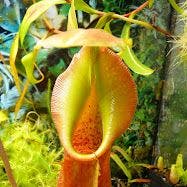
Nepenthes ampullaria
By the Greg Editorial Team
Oct 18, 2024•5 min read
This article was created with the help of AI so we can cover more plants for you. May contain errors. See one? Report it here.
Revive your struggling pitcher plants 🌱 with essential care tips and quick solutions for common health issues! 🌿
- 🌱 Recognize symptoms early to address unhealthy pitcher plants effectively.
- 💧 Adjust watering and light to prevent yellowing and wilting leaves.
- 🐛 Inspect regularly for pests and diseases to maintain pitcher plant health.
Recognizing Unhealthy Plants
Symptoms of an unhealthy plant 🌱
Identifying an unhealthy pitcher plant is crucial for its recovery. Here are some key symptoms to watch for:
Yellowing Leaves 💛
Yellowing leaves often indicate stress or a nutrient deficiency. If you notice this, it’s time to reassess your plant care routine.
Wilting or Drooping 😢
Wilting or drooping leaves suggest issues with watering or root health. This could mean your plant is either overwatered or underwatered.
Fuzzy Growth 🦠
Fuzzy growth on your pitcher plant may signal fungal infections or pest infestations. Keep an eye out for this to prevent further damage.
Leaning or Leggy Appearance 🌿
A leaning or leggy appearance points to inadequate light or nutrient issues. If your plant is stretching toward the light, it may need a brighter spot.
Recognizing these symptoms early can make a significant difference in your plant's health. By addressing these issues promptly, you can help your pitcher plant thrive.
Common Problems Specific to Pitcher Plants
💧 Incorrect Watering
Identifying Overwatering and Underwatering
Overwatering is often signaled by yellowing leaves, mushy roots, and a foul smell. Conversely, underwatered plants exhibit wilting, dry leaves, and crispy edges.
Causes and Effects
Poor drainage, excessive rainfall, or using non-carnivorous plant soil can lead to overwatering. Underwatering typically results from infrequent watering or dry environmental conditions.
Steps to Resolve and Revive
For Overwatering:
- Remove the plant from its pot and inspect the roots.
- Trim away any rotten roots and repot in fresh, well-draining soil.
- Adjust your watering schedule to allow the soil to dry slightly between waterings.
For Underwatering:
- Soak the plant in water for 30 minutes.
- Establish a consistent watering routine, ensuring the soil remains moist but not soggy.
💡 Incorrect Light Conditions
Signs of Inadequate or Excessive Light
Inadequate light results in leggy growth, small traps, and pale coloration. On the other hand, excessive light causes scorched leaves, browning edges, and faded colors.
Solutions for Optimal Light Exposure
Place your pitcher plant in bright, indirect sunlight or filtered light. If natural light is insufficient, especially during winter months, consider using grow lights.
🌡️ Incorrect Temperature
Symptoms of Temperature Stress
Temperature stress manifests as wilting leaves or browning at the tips. You may also notice stunted growth or dormancy.
Adjusting Temperature for Health
Aim to maintain temperatures between 60°F to 80°F (15°C to 27°C). Use heating mats or fans to stabilize temperature as needed.
🐛 Pests
Common Pests Affecting Pitcher Plants
Aphids, mealybugs, and spider mites are common pests that can wreak havoc on your plants.
Identification and Symptoms
- Aphids: Small, green insects often found on new growth.
- Mealybugs: Look for white, cotton-like clusters on leaves.
- Spider Mites: Fine webbing and stippled leaves indicate their presence.
Treatment and Prevention Methods
Use insecticidal soap or neem oil for effective treatment. Regularly inspect your plants and maintain humidity to deter pests.
🦠 Diseases
Identifying Symptoms of Common Diseases
Common diseases include powdery mildew, rust, black rot, and blight. Symptoms range from white, powdery spots to rapid wilting and browning of leaves.
Treatment Options and Preventive Measures
Remove affected leaves and improve air circulation. For severe infections, use fungicides and ensure proper watering practices.
🌱 Root Problems
Signs of Root Rot and Squishy Roots
Wilting despite adequate watering and a foul smell from the soil are key indicators of root rot.
Steps to Treat and Prevent Root Issues
- Remove the plant from the pot and inspect the roots.
- Trim away any rotten or mushy roots.
- Repot in fresh, well-draining soil and adjust your watering practices.
🍃 Leaf Issues
Identifying Leaf Scorching, Yellowing, and Fuzzy Growth
Scorching appears as brown tips and edges, while yellowing often indicates nutrient deficiency or overwatering. Fuzzy growth may signal fungal infections or pest presence.
Solutions for Leaf Health
Adjust your watering and light conditions accordingly. Promptly treat any identified pests or diseases to maintain leaf health.
🌿 Growth Problems
Symptoms of Not Growing, Not Fruiting, Leaning, Leggy, and Etiolated Plants
Stagnant growth despite optimal conditions, lack of flower or trap development, and leaning or leggy growth are all signs of growth problems.
Steps to Encourage Healthy Growth
- Ensure proper light exposure and adjust watering.
- Fertilize with a balanced, diluted fertilizer during the growing season.
- Regularly check for pests and diseases to keep your plant thriving.
Understanding these common problems and their solutions will help you maintain a healthy pitcher plant. Next, let’s explore preventive measures to keep your plant thriving year-round.
Preventive Measures
Best Practices for Pitcher Plant Care 🌱
To keep your pitcher plants thriving, maintaining high humidity levels is crucial. Aim for a range of 50-70% humidity to mimic their natural habitat.
Using distilled or rainwater is another essential practice. This helps avoid chemical buildup that can harm your plants.
Importance of Monitoring and Regular Checks 🔍
Regular inspections of your plants can catch problems early. By staying vigilant, you can adjust care routines based on seasonal changes and prevent issues before they escalate.
Using the Greg Plant Care App for Reminders 📱
Consider using the Greg plant care app to set reminders for watering, fertilizing, and monitoring conditions. This tool can help ensure your pitcher plants receive optimal care and thrive in your home.
By implementing these preventive measures, you can enjoy healthy, vibrant pitcher plants that bring a touch of nature indoors. Next, let’s explore how to identify and address specific problems that may arise.
⚠️ Safety First
This content is for general information and may contain errors, omissions, or outdated details. It is not medical, veterinary advice, or an endorsement of therapeutic claims.
Always consult a qualified healthcare professional before using any plant as food, medicine, or supplement.
Never eat any plant (or feed one to pets) without confirming its identity with at least two trusted sources.
If you suspect poisoning, call Poison Control (800) 222-1222, the Pet Poison Helpline (800) 213-6680, or your local emergency service immediately.
Spotted an error? Please report it here.
Keep your pitcher plants thriving and vibrant 🌿 by using Greg's tailored reminders to tackle common issues and ensure they get the care they need!