Understanding What It Means When Your Pitcher Plant Blooms
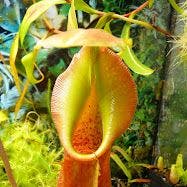
Nepenthes ampullaria
By the Greg Editorial Team
Oct 18, 2024•5 min read
This article was created with the help of AI so we can cover more plants for you. May contain errors. See one? Report it here.
Unlock the secrets of Pitcher Plant blooms 🌸 and learn how to encourage their stunning flowers in your garden!
- 🌼 Pitcher plants bloom under specific conditions, influenced by light, humidity, and health.
- 🌈 Flowers vary in color—yellow, white, red, and purple—depending on the species.
- 🌱 Encourage blooming with 6 hours of sunlight and humidity levels of 50-70%.
Flowering Status of Pitcher Plant
🌸 Do Pitcher Plants Produce Flowers?
Yes, Pitcher Plants do produce flowers, and it's a fascinating aspect of their life cycle. However, some varieties may not flower under certain conditions or might be primarily cultivated for their striking foliage.
These plants can surprise you with their blooms, but don’t be alarmed if yours doesn’t flower. Factors like light, humidity, and overall health play a significant role in whether they will produce those beautiful flowers.
In essence, while flowering is a possibility, it’s not guaranteed for every Pitcher Plant. Understanding these nuances can help you appreciate your plant's unique journey.
If Pitcher Plant Does Flower
🌼 Flower Characteristics
Description of Colors and Structure
Yes, Pitcher Plants do produce flowers, and they come in a stunning array of colors. You can find shades of yellow, white, red, or purple, depending on the species, with flowers typically borne on tall flower spikes that have a bell-shaped or tubular form.
Self-Pollination vs. External Pollination
Some Pitcher Plant species are self-pollinating, meaning they can reproduce without any outside help. Others rely on cross-pollination, often aided by insects like bees or flies, to ensure genetic diversity.
🌸 Blooming Process
Stages of Blooming
The blooming process starts with bud formation, where flower buds develop on the flower spike. This is followed by three key stages:
- Bud swelling
- Petal unfurling
- Full bloom
Typical Bloom Time and Duration from Bud to Full Bloom
Blooming times vary by species, but most Pitcher Plants typically flower in spring or summer. From the initial bud formation to full bloom, it usually takes about 2-4 weeks.
Lifespan of Flowers
Once in bloom, the flowers generally last between 1-3 weeks before wilting. This brief but beautiful display adds a vibrant touch to your plant collection.
🌱 Encouraging Blooms
Tips for Encouraging Flowering
To encourage your Pitcher Plant to bloom, provide optimal light conditions with full sun exposure for at least 6 hours daily. Maintaining humidity levels between 50-70% and using a diluted, balanced fertilizer during the growing season can also help.
Factors Influencing Flowering
Several environmental factors influence flowering, including temperature, light, and humidity. Additionally, well-nourished and stress-free plants are more likely to produce blooms.
🌿 Post-Flowering
What Happens After Flowering
After flowering, some Pitcher Plants may enter a dormant phase, while others continue to thrive. The plant's energy often shifts from flowering to leaf growth and trap development, ensuring it remains healthy.
Discussion on Whether Pitcher Plant Dies After Flowering
Unlike some plants, Pitcher Plants do not die after flowering. They can continue to live and grow, making them resilient companions in your garden.
🐝 Pollination
Description of Pollination Methods
Pollination methods vary among Pitcher Plant species. Self-pollination occurs in those that can fertilize their own flowers, while cross-pollination involves insects transferring pollen between flowers, enhancing genetic diversity and ensuring robust reproduction.
This understanding of Pitcher Plant flowering sets the stage for appreciating their unique characteristics, whether they bloom or not. Next, we’ll explore what happens when your Pitcher Plant doesn’t flower and the fascinating features that still make it a standout in any collection.
If Pitcher Plant Doesn't Flower
🌿 Primary Ornamental or Functional Features
Pitcher plants are renowned for their unique tubular leaves, which serve a dual purpose. Not only do they provide an eye-catching aesthetic, but they are also expertly designed to trap insects, showcasing nature's ingenuity.
Their carnivorous nature is fascinating. These plants attract and digest insects, allowing them to absorb essential nutrients that are often scarce in their native, nutrient-poor environments.
🌱 Reproduction Methods Without Flowers
Interestingly, some pitcher plant species can reproduce without flowers through asexual means. This includes methods like rhizomes or offsets, enabling them to spread and thrive even when flowering isn't an option.
This ability to reproduce vegetatively ensures that these captivating plants can continue to flourish, even in less-than-ideal conditions.
Understanding these features and reproduction methods highlights the resilience and adaptability of pitcher plants, making them truly remarkable organisms in the plant kingdom.
As we explore the flowering aspects of pitcher plants, it's essential to appreciate their unique characteristics that allow them to thrive without blooming.
Unique Aspects of Pitcher Plant Flowering
🌺 Unusual Characteristics Related to Flowering or Non-Flowering Nature
Pitcher plants are known for their striking flower spikes, which can tower impressively above their foliage. This height not only adds visual interest but also ensures that the flowers are more accessible to pollinators.
The vibrant colors of the flowers create a stunning contrast against the green traps. This visual display is not just for aesthetics; it plays a crucial role in attracting the right pollinators.
🐝 Interesting Facts or Trivia About Pitcher Plant's Reproductive Strategy
Some pitcher plant species have developed unique adaptations to lure specific pollinators. These adaptations can include particular scents or flower shapes that appeal to certain insects.
Additionally, the timing of flowering is often synchronized with the activity of pollinators. This strategic alignment maximizes the chances of successful reproduction, showcasing the plant's evolutionary ingenuity.
As we explore the fascinating world of pitcher plants, understanding their flowering characteristics enriches our appreciation for these remarkable organisms. Next, we’ll delve into the various methods of reproduction, both with and without flowers.
⚠️ Safety First
This content is for general information and may contain errors, omissions, or outdated details. It is not medical, veterinary advice, or an endorsement of therapeutic claims.
Always consult a qualified healthcare professional before using any plant as food, medicine, or supplement.
Never eat any plant (or feed one to pets) without confirming its identity with at least two trusted sources.
If you suspect poisoning, call Poison Control (800) 222-1222, the Pet Poison Helpline (800) 213-6680, or your local emergency service immediately.
Spotted an error? Please report it here.
Unlock the beauty of your pitcher plant's blooms 🌸 by using Greg's tailored care reminders to provide the ideal light and humidity for vibrant flowers!