4 Plants That Thrive Alongside Pitcher Plant 🦋
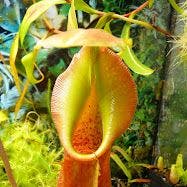
Nepenthes ampullaria
By the Greg Editorial Team
Oct 18, 2024•4 min read
This article was created with the help of AI so we can cover more plants for you. May contain errors. See one? Report it here.
Boost your garden's health and beauty 🌱 by pairing Pitcher Plants with ideal companion plants for a thriving ecosystem!
- 🌱 Sundew and Cobra Lilies thrive in the same bog-like conditions as Pitcher Plants.
- 🦋 Companion plants attract pollinators, enhancing biodiversity and ecological balance in your garden.
- 💧 Marsh Marigold retains moisture, crucial for the health of Pitcher Plants.
Best Companion Plants for Pitcher Plant
🌱 Sundew
Sundew plants thrive in bog-like conditions, making them perfect companions for Pitcher Plants. They share similar moisture and light requirements, ensuring both plants flourish together.
Additionally, Sundews are natural pest managers. They attract and trap insects, which helps reduce competition for resources with the Pitcher Plant.
🐍 Cobra Lily
Cobra Lilies prefer acidic, nutrient-poor soils, aligning perfectly with the habitat needs of Pitcher Plants. This shared preference creates a harmonious environment for both species.
Visually, Cobra Lilies add unique charm to the garden. Their striking appearance complements the aesthetic of Pitcher Plants, enhancing the overall landscape.
🌼 Blue Flag Iris
Blue Flag Iris is another excellent companion, known for attracting beneficial insects. Its vibrant flowers draw pollinators, which enhances the ecological balance in your garden.
This plant also thrives in similar wet conditions, requiring consistent moisture. Its compatibility makes it an ideal partner for Pitcher Plants.
🌿 Marsh Marigold
Marsh Marigold provides essential ground cover, helping to retain moisture in the soil. This moisture retention benefits the Pitcher Plant, ensuring it remains healthy and hydrated.
Moreover, Marsh Marigold enhances biodiversity in the garden. It offers habitat for various beneficial organisms, creating a thriving ecosystem alongside your Pitcher Plant.
These companion plants not only support the health of Pitcher Plants but also contribute to a vibrant and diverse garden. Next, let’s explore which plants to avoid near Pitcher Plants to maintain their well-being.
Plants to Avoid Near Pitcher Plant
When planning your garden, it's crucial to consider which plants might not play well with your Pitcher Plant. Certain plants can compete for resources or disrupt the delicate moisture balance that Pitcher Plants thrive on.
🚫 Incompatible Plants
Some plants simply don't mesh with the needs of Pitcher Plants. For instance, those that prefer drier conditions can stress your Pitcher Plant, leading to poor health or even death.
❌ Reasons for Avoidance
Differing Moisture Needs: Plants that require less moisture can dry out the soil, leaving your Pitcher Plant struggling to survive. This imbalance can be detrimental to its growth and overall vitality.
Pest Attraction: Certain plants may attract pests that could harm your Pitcher Plant. Keeping these potential threats at bay is essential for maintaining a healthy garden ecosystem.
By being mindful of these incompatible plants, you can create a thriving environment for your Pitcher Plant and its companions. Next, let’s explore the ecological benefits of companion planting and how it can enhance your garden's health and beauty.
Ecological Benefits of Companion Planting
🌱 Enhancing Biodiversity in the Garden
Companion planting isn't just about aesthetics; it's a powerful way to boost biodiversity. By incorporating a variety of plants, you create a habitat that supports a wider range of wildlife and beneficial insects.
🤝 Promoting Symbiotic Relationships Among Plants
When plants coexist, they often form symbiotic relationships that benefit everyone involved. This mutual support leads to healthier plants and a more resilient ecosystem.
🐞 Natural Pest Management Strategies
One of the standout advantages of companion planting is its ability to manage pests naturally. Certain companion plants can deter unwanted insects, reducing the need for chemical interventions and promoting a healthier garden environment.
By embracing these ecological benefits, you not only enhance your garden's health but also contribute to a thriving ecosystem. Next, let’s explore how these companion plants can elevate the visual appeal of your Pitcher Plant garden.
Visual Appeal and Aesthetic Considerations
Companion plants can significantly enhance the beauty of Pitcher Plant gardens. By incorporating plants with complementary colors and textures, you create a visually stunning landscape that draws the eye.
🎨 Complementary Colors and Textures
The unique foliage of Pitcher Plants, often in shades of green and purple, pairs beautifully with the vibrant flowers of companion plants. For instance, the bright blooms of Blue Flag Iris can create a striking contrast against the deep hues of the Pitcher Plant.
🌈 Creating a Cohesive Look
When selecting companion plants, consider their growth habits and colors. Plants like Marsh Marigold not only provide ground cover but also add a splash of yellow, enriching the garden's overall aesthetic. This thoughtful combination of colors and textures fosters a harmonious environment.
🌿 Enhancing Garden Dynamics
A well-planned arrangement of companion plants not only beautifies the space but also promotes a thriving ecosystem. The visual appeal of these plants can transform your garden into a vibrant sanctuary, attracting both pollinators and curious onlookers.
Incorporating these aesthetic considerations will elevate your Pitcher Plant garden, making it a feast for the eyes. As we explore the next section, we'll delve into the ecological benefits of companion planting, highlighting how these choices support a healthier garden environment.
⚠️ Safety First
This content is for general information and may contain errors, omissions, or outdated details. It is not medical, veterinary advice, or an endorsement of therapeutic claims.
Always consult a qualified healthcare professional before using any plant as food, medicine, or supplement.
Never eat any plant (or feed one to pets) without confirming its identity with at least two trusted sources.
If you suspect poisoning, call Poison Control (800) 222-1222, the Pet Poison Helpline (800) 213-6680, or your local emergency service immediately.
Spotted an error? Please report it here.
Transform your garden into a vibrant sanctuary 🌼 by selecting the perfect companion plants for your Pitcher Plant, and let Greg guide you with tailored care tips to keep your ecosystem thriving!