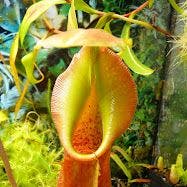
5 Top Pot Choices for Your Ampullaria Pitcher Plant 🏺
Nepenthes ampullaria
By the Greg Editorial Team
Oct 02, 2024•6 min read
This article was created with the help of AI so we can cover more plants for you. May contain errors. See one? Report it here.
Unlock vibrant growth and stunning pitchers 🌱 by mastering the perfect potting techniques for your Ampullaria plant!
- 🌱 Choose 4-6 inch pots for seedlings to prevent waterlogging and promote growth.
- 🏺 Mature plants need 8-12 inch pots for stability and proper pitcher structure.
- 🚫 Avoid overpotting and underpotting to prevent root rot and stunted growth.
Pot Size for Growth Stages
🌱 Recommended Sizes for Seedlings
For your Ampullaria pitcher plant seedlings, an ideal container size is between 4 to 6 inches in diameter. Shallow pots are crucial for young plants, allowing their roots to spread without becoming waterlogged.
As seedlings grow, you'll need to repot them frequently. This ensures they have enough space to thrive and develop strong root systems.
🌳 Appropriate Sizes for Mature Plants
Once your Ampullaria matures, aim for a container size of 8 to 12 inches in diameter. This size accommodates the plant's height and pitcher structure, providing ample room for growth.
Stability is key in larger pots. A well-balanced pot prevents tipping, especially as the plant develops its unique pitcher shapes.
🔄 Transitioning Between Pot Sizes
Watch for signs that your plant has outgrown its pot. Indicators include roots emerging from drainage holes or slowed growth.
When selecting the next pot size, consider moving up by 2 to 4 inches in diameter. Timing is essential; repot during the growing season to minimize stress on your plant.
This careful attention to pot size will set the stage for healthy growth and vibrant pitchers. Next, let’s explore the ideal pot materials that will complement your Ampullaria's needs.
Ideal Pot Materials
Clay Pots 🌱
Clay pots are a popular choice for Ampullaria pitcher plants due to their breathability. This allows for better air circulation around the roots, which is crucial for healthy growth.
However, they come with some drawbacks. Clay pots are heavier and can dry out quickly, requiring more frequent watering.
To maximize their benefits, consider using a clay pot with a wider base. This provides stability and helps prevent tipping as your plant grows.
Plastic Pots 🪴
Plastic pots are another viable option for your Ampullaria. They are lightweight and easier to handle, making them a favorite for many plant enthusiasts.
On the downside, plastic pots often lack breathability, which can lead to root rot if not monitored closely.
When selecting plastic pots, look for those with good drainage holes and a sturdy design. This will help ensure your plant stays healthy and thriving.
In summary, both clay and plastic pots have their pros and cons. Choosing the right material depends on your specific needs and the care you can provide for your Ampullaria.
Next, we'll explore the importance of drainage holes and how they impact your plant's health.
Importance of Drainage Holes
🌧️ Drainage Needs for Ampullaria
Proper drainage is crucial for preventing root rot in your Ampullaria pitcher plant. These tropical beauties thrive in moist environments, but standing water can quickly lead to decay.
Ampullaria requires pots with excellent drainage to mimic their natural habitat. This helps maintain the right moisture levels without drowning the roots.
🔍 Assessing Drainage in Pots
To ensure your pot has adequate drainage, check the size and number of holes at the bottom. A good rule of thumb is to have at least three holes, each about 1/2 inch in diameter.
You can also test drainage efficiency by pouring water into the pot. If it pools at the bottom for more than a few minutes, it’s time to reconsider your pot choice.
🛠️ Solutions for Poor Drainage
If you find your pot lacks sufficient drainage, consider modifying it by adding extra holes. A simple drill can work wonders for improving water flow.
Using potting mixes designed for drainage can also help. Look for mixes that include perlite or orchid bark to enhance aeration.
Alternatively, you can use a layer of gravel at the bottom of the pot. This creates a buffer that allows excess water to escape, keeping your plant's roots happy and healthy.
With proper drainage, your Ampullaria will flourish, setting the stage for vibrant growth and stunning pitchers. Next, let’s explore the best pot materials to further support your plant's needs.
Repotting Guidelines
Signs That It's Time to Repot 🌱
Recognizing when your Ampullaria pitcher plant needs repotting is crucial for its health. Common indicators include root-bound conditions, where roots start to circle around the pot.
You might also notice roots emerging from drainage holes, signaling that the plant has outgrown its current home. Additionally, watch for changes in growth patterns or pitcher development; stunted growth can be a clear sign that it's time for a new pot.
Step-by-Step Repotting Process 🛠️
Repotting your Ampullaria can seem daunting, but following these steps makes it straightforward:
- Prepare the new pot with an appropriate potting mix that retains moisture but drains well.
- Carefully remove the plant from its current pot, taking care not to damage the roots.
- Inspect and trim any damaged roots to promote healthy growth.
- Place the plant in the new pot and fill with soil, ensuring it sits at the same depth as before.
- Water thoroughly and monitor for stress over the next few days.
Choosing the Right Pot During Repotting 🪴
Selecting the right pot is essential for your plant's future growth. Consider factors like size, ensuring it’s not too large or small, as this can affect moisture retention.
Material also plays a role; choose one that suits your plant's needs, whether it’s clay for breathability or plastic for lightweight handling. Lastly, ensure the pot has adequate drainage to prevent root rot, setting your Ampullaria up for success.
Transitioning to the next section, let’s explore common potting mistakes that can hinder your plant’s growth.
Common Potting Mistakes
🌱 Overpotting vs. Underpotting
Overpotting occurs when you choose a pot that's too large for your Ampullaria. This can lead to excess soil retaining moisture, which may cause root rot.
On the flip side, underpotting can stunt growth. If the pot is too small, the roots become cramped, limiting the plant's ability to absorb nutrients and water.
To find the right balance, consider the plant's current size and growth stage. Aim for a pot that allows for some growth without overwhelming the roots.
🚰 Ignoring Drainage Needs
Many plant owners underestimate the importance of drainage. A common misconception is that a pot can be too "drainage-friendly," but for tropical plants like Ampullaria, proper drainage is crucial.
Without adequate drainage, water can accumulate, leading to root rot. Always ensure your pots have sufficient drainage holes to keep your plant thriving.
🧱 Choosing the Wrong Materials
Not all pot materials are created equal for Ampullaria. Some materials, like certain plastics, can retain too much moisture, which isn't ideal for these tropical beauties.
The right material affects moisture retention and root health. Opt for breathable materials like clay or high-quality plastics designed for drainage.
For best practices, always consider the specific needs of your plant when selecting pot materials. This attention to detail can make a significant difference in your plant's health and growth.
As you navigate these common potting mistakes, remember that the right choices can lead to a flourishing Ampullaria. Next, let's delve into the essential guidelines for repotting your plant effectively.
⚠️ Safety First
This content is for general information and may contain errors, omissions, or outdated details. It is not medical, veterinary advice, or an endorsement of therapeutic claims.
Always consult a qualified healthcare professional before using any plant as food, medicine, or supplement.
Never eat any plant (or feed one to pets) without confirming its identity with at least two trusted sources.
If you suspect poisoning, call Poison Control (800) 222-1222, the Pet Poison Helpline (800) 213-6680, or your local emergency service immediately.
Spotted an error? Please report it here.
Ensure your Ampullaria pitcher plant thrives in style 🌱 by using Greg's tailored potting tips and watering reminders to create the perfect home for your green friend!