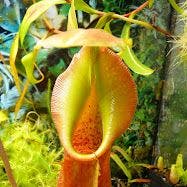
3 Tips for Healthy Ampullaria Pitcher Plant Roots 🏺
Nepenthes ampullaria
By the Greg Editorial Team
Oct 02, 2024•6 min read
This article was created with the help of AI so we can cover more plants for you. May contain errors. See one? Report it here.
Master root care for your Ampullaria pitcher plant 🌱 and watch it thrive like never before!
- 🌱 Ampullaria roots are shallow yet spread 2 feet, optimizing nutrient and moisture uptake.
- 💧 Consistent moisture is crucial, but avoid overwatering to prevent root rot.
- 🌿 Regular inspections and balanced fertilizers promote healthy roots and plant resilience.
Root System Characteristics
Type of Root System 🌱
The Ampullaria pitcher plant features a rhizomatous root system. This structure consists of thick, horizontal stems that grow underground, allowing the plant to store nutrients and energy.
Rhizomatous roots are particularly beneficial for nutrient absorption. They spread out, enabling the plant to access a wider range of soil nutrients, which is crucial for its growth and health.
Root Depth and Spread 📏
Typically, the roots of the Ampullaria are shallow but extensive. They can spread up to 2 feet in diameter, allowing the plant to maximize its resource intake.
These roots grow horizontally, which is a smart adaptation to fluctuating water levels in their natural habitats. This growth pattern helps the plant efficiently absorb moisture and nutrients, ensuring it thrives even in challenging conditions.
Understanding these root characteristics is essential for maintaining a healthy Ampullaria pitcher plant. Next, we’ll explore effective watering and fertilizing techniques to support this unique root system.
Watering and Fertilizing Techniques
🌱 Impact of Root System on Watering Needs
The root system of the Ampullaria pitcher plant plays a crucial role in its watering needs. Consistent moisture is essential, but it's equally important to avoid waterlogging, which can lead to root rot.
To ensure adequate moisture, use well-draining soil. This prevents excess water from accumulating around the roots, promoting healthy growth and vitality.
🌿 Fertilizing Techniques Specific to Root Health
When it comes to fertilizing, choosing the right type is key. Balanced NPK fertilizers are great for general health, while organic options can provide a more natural nutrient source.
Timing matters too. Fertilize monthly during the growing season to support optimal growth and root health. This regular feeding helps your plant thrive and flourish.
Incorporating these watering and fertilizing techniques will set your Ampullaria pitcher plant on the path to robust root development. Next, let’s explore best practices for transplanting to ensure your plant continues to thrive.
Transplanting and Root Health
Best Practices for Transplanting 🌱
Transplanting your Ampullaria pitcher plant can be a game-changer for its health. Timing is crucial; aim to transplant during the growing season when the plant is most resilient.
To ensure a smooth transition, follow these steps:
- Prepare the new pot with well-draining soil.
- Gently remove the plant from its current pot.
- Inspect and trim any damaged roots.
- Place the plant in the new pot and water thoroughly.
These steps help minimize stress and promote healthy growth.
Signs of Rootbound Plants 🪴
Understanding when your plant is rootbound is essential for its well-being. A rootbound plant has roots circling the pot, which restricts growth and nutrient uptake.
Look for these visual cues to identify rootbound conditions:
- Roots emerging from drainage holes.
- Stunted growth or yellowing leaves.
If you notice these signs, it's time to act. Solutions include repotting the plant into a larger pot, ideally during the growing season, to give it room to thrive.
By keeping an eye on your plant's root health, you set the stage for vibrant growth and resilience.
Next, let’s explore common root-related issues that can affect your plant's health.
Common Root-Related Issues
🦠 Identifying Root Rot and Other Diseases
Root rot can be a sneaky adversary for your Ampullaria pitcher plant. Watch for symptoms like wilting, yellowing leaves, and a foul odor emanating from the soil.
These signs often indicate overwatering or poor drainage. If you notice these issues, it’s crucial to act quickly to save your plant.
🛡️ Preventative Measures for Root Health
To keep your plant thriving, adopt best practices for watering and soil selection. Use well-draining soil to prevent water from pooling around the roots.
Regular root inspections are essential for catching problems early. By checking your plant's roots periodically, you can ensure they remain healthy and robust.
Understanding these common root-related issues will empower you to maintain a vibrant, healthy plant. Next, let’s explore visual cues that indicate root health.
Visual Cues for Root Health
🥇 Indicators of Healthy vs. Unhealthy Roots
Healthy roots are a gardener's pride. They should feel firm and display a white or light tan color, indicating vitality and good nutrient absorption.
In contrast, unhealthy roots tell a different story. A mushy texture, dark color, and foul smell signal trouble, often pointing to issues like root rot.
🌱 Importance of Root Health in Overall Plant Resilience
Root health is crucial for a plant's overall resilience. Strong roots help plants withstand stress factors, such as drought and pests.
When roots are healthy, they enhance the plant's ability to absorb water and nutrients, making it more robust against environmental challenges. Prioritizing root care is essential for a thriving plant.
Understanding these visual cues can empower you to take action before problems escalate, ensuring your Ampullaria pitcher plant remains vibrant and healthy.
Propagation and Division Techniques
🌱 Methods of Propagation: Division and Cuttings
Propagation of the Ampullaria pitcher plant can be achieved through two primary methods: division and cuttings.
Division: This method involves separating the plant into multiple sections, each with its own roots.
- Step 1: Carefully remove the plant from its pot, ensuring minimal disturbance to the roots.
- Step 2: Identify natural divisions in the root system and gently separate them.
- Step 3: Replant each division in well-draining soil, ensuring they are adequately spaced.
Cuttings: This technique allows you to grow new plants from stem cuttings.
- Step 1: Select a healthy stem with at least a few leaves.
- Step 2: Cut the stem just below a node, which is where roots will develop.
- Step 3: Place the cutting in water or directly into soil, keeping it moist until roots form.
🌿 Importance of Root System Maintenance During Propagation
Maintaining root health during propagation is crucial for supporting new growth. Healthy roots ensure that the new plants can absorb nutrients and water effectively.
- Acclimating New Plants: After propagation, gradually introduce new plants to their environment. Start with indirect light and moderate humidity to reduce stress.
- Monitoring Moisture Levels: Keep the soil consistently moist but not soggy. This balance helps prevent root rot while promoting healthy root development.
By following these techniques and tips, you can successfully propagate your Ampullaria pitcher plants, ensuring they thrive in their new homes.
As we move forward, let’s explore how to identify and address common root-related issues that may arise during your plant care journey.
⚠️ Safety First
This content is for general information and may contain errors, omissions, or outdated details. It is not medical, veterinary advice, or an endorsement of therapeutic claims.
Always consult a qualified healthcare professional before using any plant as food, medicine, or supplement.
Never eat any plant (or feed one to pets) without confirming its identity with at least two trusted sources.
If you suspect poisoning, call Poison Control (800) 222-1222, the Pet Poison Helpline (800) 213-6680, or your local emergency service immediately.
Spotted an error? Please report it here.
Boost your Ampullaria pitcher plant's health by mastering root care with Greg's personalized reminders 🌱 for moisture and fertilization that keep those roots thriving!