🥤 What to Do About Droopy Leaves on Your Pitcher Plant
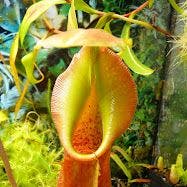
Nepenthes ampullaria
By the Greg Editorial Team
Oct 18, 2024•4 min read
This article was created with the help of AI so we can cover more plants for you. May contain errors. See one? Report it here.
Transform droopy pitcher plant leaves 🌱 into vibrant greenery with these essential care tips for thriving plants!
- 🌧️ Droopy leaves result from overwatering, underwatering, low humidity, or pests.
- 🌿 Maintain 50-70% humidity and a consistent watering schedule for healthy pitcher plants.
- 🐞 Regularly check for pests and treat promptly to prevent leaf drooping.
Causes of Droopy Leaves
💧 Overwatering: Signs and Solutions
Overwatering is a common issue that can lead to droopy leaves on your pitcher plant. Symptoms include yellowing leaves and a mushy texture, which often indicate root rot characterized by a foul smell and blackened roots.
To remedy overwatering, allow the soil to dry out slightly between waterings. Using well-draining soil can also help prevent waterlogging, and adjusting your watering frequency based on environmental conditions is crucial.
🌵 Underwatering: Identifying Symptoms
Underwatering can also cause droopy leaves, presenting symptoms like crispy, brown leaf edges and soil pulling away from the pot edges. If you notice these signs, your plant may be in distress.
Establishing a consistent watering schedule is essential. Regularly check soil moisture using a moisture meter, and if your plant is severely dehydrated, soak it in water for a few hours to revive it.
🌫️ Humidity Levels: Importance and Adjustment
Humidity plays a vital role in the health of pitcher plants, with an ideal range of 50-70%. Low humidity can lead to leaf curling, drooping, and dry, brown tips on leaves.
To increase humidity, consider using a humidity tray or misting the plant regularly. Employing a humidifier in dry environments and grouping plants together can also create a beneficial microclimate.
🥦 Nutrient Deficiency: Common Deficiencies and Remedies
Nutrient deficiencies can lead to droopy leaves as well. Common issues include nitrogen deficiency, which causes yellowing leaves and poor growth, and magnesium deficiency, leading to interveinal chlorosis.
Using a balanced fertilizer specifically formulated for carnivorous plants can help. Apply it during the growing season, and monitor soil pH to ensure nutrients are available for uptake.
🐞 Pest Infestation: Identifying and Treating Pests
Pests can wreak havoc on your pitcher plant, causing droopy leaves. Common culprits include aphids, which leave a sticky residue and distort leaves, and spider mites, identifiable by fine webbing and stippled leaves.
Regularly inspect your plants for signs of pests. Treatment options include using insecticidal soap or neem oil, and introducing beneficial insects like ladybugs can provide natural pest control.
Understanding these causes will empower you to take action and restore your pitcher plant's health. Next, we'll explore step-by-step solutions to address droopy leaves effectively.
Step-by-Step Solutions for Droopy Leaves
🌊 Adjusting Watering Schedule
To tackle droopy leaves, start by assessing the current soil moisture using a moisture meter.
If you find the soil is overwatered, allow it to dry out gradually; conversely, if it's underwatered, soak the plant in water for a few hours.
Establish a consistent watering routine based on environmental conditions to keep your pitcher plant thriving.
💧 Increasing Humidity: Methods and Tools
Humidity plays a crucial role in your plant's health. Set up a humidity tray with water and pebbles beneath the pot to create a more suitable environment.
Daily misting with a spray bottle can also help maintain moisture levels.
If the air is particularly dry, consider using a humidifier in the room where the plant resides.
Grouping plants together can further increase local humidity levels, creating a mini-ecosystem.
🍽️ Fertilization: When and How to Feed
Fertilization is key to keeping your pitcher plant healthy. Choose a fertilizer specifically designed for carnivorous plants to meet their unique needs.
Dilute the fertilizer to half strength before application.
Feed your plant during the growing season every 4-6 weeks, and monitor its response to adjust the frequency as needed.
🐞 Pest Control: Organic and Chemical Options
Pest infestations can lead to droopy leaves, so identifying the type of pest is your first step.
Apply organic solutions like neem oil or insecticidal soap to treat minor issues.
For severe infestations, consider chemical treatments as a last resort.
Regular monitoring will help prevent recurrence and keep your plant in top shape.
With these step-by-step solutions, you can effectively address the droopy leaves on your pitcher plant and ensure it remains vibrant and healthy. Next, let’s dive into the specific causes of droopy leaves to better understand how to prevent them.
⚠️ Safety First
This content is for general information and may contain errors, omissions, or outdated details. It is not medical, veterinary advice, or an endorsement of therapeutic claims.
Always consult a qualified healthcare professional before using any plant as food, medicine, or supplement.
Never eat any plant (or feed one to pets) without confirming its identity with at least two trusted sources.
If you suspect poisoning, call Poison Control (800) 222-1222, the Pet Poison Helpline (800) 213-6680, or your local emergency service immediately.
Spotted an error? Please report it here.
Revive your pitcher plant's perky leaves 🌱 by using Greg's moisture readings and tailored care reminders to tackle watering issues and pests effectively!