🥤 Understanding Why Your Pitcher Plant Has Yellow Leaves
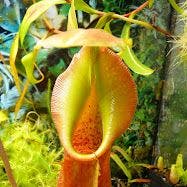
Nepenthes ampullaria
By the Greg Editorial Team
Oct 18, 2024•7 min read
This article was created with the help of AI so we can cover more plants for you. May contain errors. See one? Report it here.
Revive your Pitcher Plants from yellowing leaves 🌱 with essential tips for vibrant, healthy growth!
- 🌱 Yellow leaves indicate nutrient deficiencies, especially nitrogen, potassium, and magnesium.
- 💧 Overwatering or underwatering can cause yellowing; check soil moisture regularly.
- ☀️ Bright, indirect light is essential; avoid direct sunlight to prevent leaf burn.
Common Causes of Yellow Leaves
🌱 Nutrient Deficiencies
Nutrient deficiencies can be a primary reason for yellow leaves in Pitcher Plants. Look for yellowing in older leaves, which often indicates a lack of essential nutrients.
Monitor specific nutrients like nitrogen, potassium, and magnesium. A deficiency in any of these can lead to poor plant health and yellowing foliage.
💧 Overwatering vs. Underwatering
Overwatering is a common mistake that can lead to yellow leaves. Signs include mushy roots and a foul odor, indicating root rot.
Conversely, underwatering can also cause issues. If you notice dry, crispy leaves and stunted growth, your plant may be thirsty.
☀️ Impact of Light Conditions
Light conditions play a crucial role in the health of Pitcher Plants. They thrive in bright, indirect light but can suffer in direct sunlight.
Watch for signs of light stress, such as yellowing leaves or leaf burn. Adjusting their light exposure can make a significant difference.
🐛 Pest Infestations
Pest infestations can wreak havoc on your Pitcher Plants. Common culprits include aphids, spider mites, and mealybugs.
Signs of an infestation include sticky residue, webbing, and visible insects on the leaves. Early detection is key to preventing further damage.
Understanding these common causes can help you diagnose and address the issues affecting your Pitcher Plants. Next, we’ll explore how to effectively diagnose the problem.
Diagnosing the Problem
Assessing Nutrient Deficiencies 🌱
To determine if your Pitcher Plant is suffering from nutrient deficiencies, testing the soil nutrient levels is essential. You can use a soil test kit, which provides a quick and accurate reading of nitrogen, potassium, and magnesium levels.
If deficiencies are detected, consider using fertilizers specifically designed for Pitcher Plants. Diluted orchid or carnivorous plant fertilizers can help restore balance and promote healthy growth.
Evaluating Watering Practices 💧
Proper watering is crucial for the health of your Pitcher Plant. Always opt for distilled or rainwater, as tap water can contain harmful chemicals.
Aim to water your plant thoroughly, allowing excess water to drain out. Check the soil moisture regularly, watering again only when the top inch feels dry.
Analyzing Light Conditions ☀️
Light exposure plays a significant role in your plant's health. Different varieties, like Sarracenia and Nepenthes, have distinct light requirements.
Sarracenia thrives in bright, indirect light, while Nepenthes prefers a bit more shade. Adjusting their positions based on these needs can prevent yellowing leaves and promote vibrant growth.
Identifying Pest Issues 🐜
Regular inspections are key to catching pest infestations early. Look for common pests like aphids, spider mites, and mealybugs, which can wreak havoc on your plant.
Check for sticky residue, webbing, or visible insects on the leaves. Early intervention is crucial; the sooner you act, the better your chances of saving your plant.
By diagnosing these potential issues, you can take proactive steps to restore your Pitcher Plant's health and vitality. Next, let's explore effective solutions and treatments to address these problems.
Solutions and Treatments
🌊 Adjusting Watering Practices
Proper watering is crucial for the health of your Pitcher Plant. Follow this simple step-by-step guide to ensure your plant thrives:
- Check soil moisture with the finger test: Insert your finger about an inch into the soil. If it feels dry, it’s time to water.
- Water thoroughly until excess drains: Pour water until it seeps out of the drainage holes. This ensures the roots receive adequate moisture.
- Allow to dry slightly before next watering: Wait until the top inch of soil is dry before watering again. This prevents overwatering, a common issue.
🌱 Fertilization Tips for Pitcher Plants
Fertilizing your Pitcher Plant can boost its growth and vitality. Here’s how to do it effectively:
- Frequency: Fertilize every 4-6 weeks during the growing season. This keeps nutrients flowing when your plant needs them most.
- Types of fertilizers: Use diluted orchid or carnivorous plant fertilizer. These are specially formulated to meet the unique needs of your plant.
☀️ Optimizing Light Exposure
Light conditions play a significant role in the health of your Pitcher Plant. Here’s how to ensure it gets the right amount:
- Use of sheer curtains for diffused light: If your plant is in direct sunlight, sheer curtains can help filter the light, preventing leaf burn.
- Rotating plants to ensure even light distribution: Rotate your plant every few weeks. This promotes balanced growth and prevents leaning toward the light source.
🐞 Pest Control Methods
Pests can wreak havoc on your Pitcher Plant, but there are effective organic solutions. Here are some methods to keep your plant pest-free:
- Neem oil and insecticidal soap application: These are safe and effective options for treating infestations. Apply them according to the product instructions.
- Manual removal of pests: Regularly inspect your plant and remove any visible pests by hand. This proactive approach can save your plant from serious damage.
By implementing these solutions and treatments, you can help your Pitcher Plant flourish. Next, let’s explore preventative measures to keep your plant healthy year-round.
Preventative Measures
Best Practices for Pitcher Plant Care 🌱
Maintaining humidity levels is crucial for the health of your Pitcher Plants. Aim for an ideal humidity range of 50-70% to keep them thriving.
To achieve this, consider using humidity trays filled with water or misting the plants regularly. These methods help create a more suitable environment, especially in drier conditions.
Seasonal Care Adjustments 🌦️
Adjusting care based on seasonal changes can significantly impact your plants' well-being. For instance, Sarracenia enters a winter dormancy period, requiring less water and light.
Conversely, Nepenthes need increased watering during hot months to prevent stress. Keeping an eye on seasonal shifts ensures your plants remain healthy year-round.
Soil and Potting Recommendations 🪴
Choosing the right soil mix is essential for Pitcher Plants. A blend of sphagnum moss, perlite, and sand provides excellent drainage and aeration.
When potting, select a container that allows for proper drainage. Ensure the pot size is appropriate for the plant's growth to prevent root-bound conditions.
By following these preventative measures, you can create a thriving environment for your Pitcher Plants. This proactive approach will help you avoid common issues and enjoy vibrant, healthy plants.
Next, let’s explore how to monitor and maintain your plants effectively.
Monitoring and Maintenance
Regular Checks for Leaf Health 🌿
Monitoring your Pitcher Plant's leaves is crucial for early detection of stress. Aim to inspect them bi-weekly for any signs of discoloration, wilting, or pests.
Look closely at the leaves; yellowing can indicate nutrient deficiencies, while wilting often points to watering issues. Keeping an eye out for pests like aphids or spider mites can save your plant from further damage.
Signs of Recovery in Pitcher Plants 🌱
After addressing any issues, watch for signs that your plant is bouncing back. New leaf growth and vibrant color are excellent indicators of recovery.
Increased insect trapping activity also suggests your Pitcher Plant is regaining its health and vitality. This is a rewarding moment for any plant parent!
When to Repot or Change Soil 🪴
Repotting may be necessary if you notice root-bound conditions or poor drainage. Roots that are tightly packed in the pot can hinder growth and lead to stress.
The best time to repot is in spring or early summer, aligning with your plant's active growth phase. This timing helps ensure a smoother transition and encourages healthy development.
By regularly monitoring your Pitcher Plant and understanding its needs, you can foster a thriving environment. Next, let’s explore some preventative measures to keep your plant in top shape!
⚠️ Safety First
This content is for general information and may contain errors, omissions, or outdated details. It is not medical, veterinary advice, or an endorsement of therapeutic claims.
Always consult a qualified healthcare professional before using any plant as food, medicine, or supplement.
Never eat any plant (or feed one to pets) without confirming its identity with at least two trusted sources.
If you suspect poisoning, call Poison Control (800) 222-1222, the Pet Poison Helpline (800) 213-6680, or your local emergency service immediately.
Spotted an error? Please report it here.
Revitalize your Pitcher Plant's health and banish yellow leaves 🌱 with Greg's tailored care tips and reminders for optimal watering, nutrients, and pest control!