When and Where to Trim Your Pitcher Plant
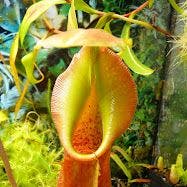
Nepenthes ampullaria
By the Greg Editorial Team
Oct 18, 2024•5 min read
This article was created with the help of AI so we can cover more plants for you. May contain errors. See one? Report it here.
Transform your pitcher plant's health and beauty 🌿 with expert pruning techniques that ensure vibrant growth and stunning aesthetics!
- ✂️ Clean cuts and sterilized tools prevent disease and promote healing in pitcher plants.
- 🌱 Best pruning seasons are spring for growth and fall for dormancy preparation.
- 🌼 Signs for pruning include yellowing leaves and overcrowding; act promptly for health.
Pruning Techniques
Types of Cuts ✂️
When pruning your pitcher plant, the type of cut you make is crucial. Clean cuts are essential for preventing disease and promoting healing, allowing the plant to recover quickly.
In contrast, tearing can create jagged edges that increase the risk of infection. Always aim for precision to keep your plant healthy.
Tools Needed 🛠️
To get started, gather the right tools: sharp pruning shears, scissors, and gloves. These tools will help you make clean cuts and protect your hands from sharp edges.
Maintaining your tools is equally important. Sterilizing them before use prevents the spread of disease, ensuring your plant stays in top shape.
Safety Precautions 🦺
Safety should always come first. Wearing gloves protects you from potential cuts while handling sharp tools.
Additionally, ensure you have a stable position while cutting. This helps avoid accidents and allows for more precise cuts, making the pruning process smoother and safer.
With the right techniques and tools in hand, you're well on your way to effectively pruning your pitcher plant. Next, let’s explore when the best times are to prune for optimal growth.
When to Prune
Best Seasons 🌸
Spring is the prime time for pruning your pitcher plant. This season rejuvenates the plant, encouraging vibrant new growth.
Fall is also a key period for pruning. It prepares the plant for dormancy, ensuring it can withstand the colder months ahead.
Signs That Pruning is Needed ⚠️
Look out for yellowing or browning leaves. These are clear indicators of aging or damage that require your attention.
Overcrowding is another sign that pruning is necessary. If you notice stunted growth or poor air circulation, it’s time to trim back.
Timing Based on Growth Cycle ⏰
Understanding your plant's growth cycle is crucial. Active growth periods are ideal for pruning, while dormancy calls for a more cautious approach.
Aim to prune in early spring and late fall. These windows align with the plant's natural rhythms, promoting health and vitality.
With these guidelines in mind, you can ensure your pitcher plant thrives beautifully throughout the seasons. Next, let’s explore where to cut for optimal results.
Where to Cut
🌿 Identifying the Right Stems and Leaves
When pruning your pitcher plant, start by targeting dead or damaged leaves. Look for discoloration, wilting, or any signs of decay to ensure you're removing parts that hinder growth.
Recognizing healthy growth is equally important. Focus on keeping vibrant, green leaves that contribute to the plant's overall health and vitality.
✂️ Techniques for Cutting
The angle of your cuts can significantly impact the plant's recovery. Aim for a 45-degree angle to minimize stress and promote quicker healing.
Avoid making major cuts to the main stem. Preserving the plant's structure is crucial for its stability and future growth.
🎨 Pruning for Shape and Aesthetics
To maintain a pleasing shape, consider techniques like thinning or shaping. Thinning involves removing excess foliage, while shaping focuses on creating a balanced silhouette.
Balancing aesthetics with plant health is essential. A well-pruned plant not only looks good but also thrives, ensuring functional beauty in your garden.
With these techniques in mind, you're well-equipped to enhance your pitcher plant's health and appearance. Next, let’s explore the importance of deadheading for optimal growth.
Deadheading
🌱 Importance for Plant Health
Deadheading is essential for your pitcher plant's vitality. It encourages new growth and prevents the plant from wasting energy on spent flowers.
Additionally, removing dead blooms enhances the overall aesthetics of your plant. A tidy appearance can make a significant difference in your garden's visual appeal.
✂️ Step-by-Step Instructions
Identify spent flowers: Look for blooms that have wilted or turned brown. These are the ones that need to be removed.
Use clean cuts: When removing dead flowers, make sure your cuts are clean to avoid damaging the plant. This promotes quicker healing and reduces the risk of disease.
Timing: The best moments to deadhead are right after blooming or when you notice wilting. This ensures maximum benefit for your plant's growth cycle.
👀 Signs That Deadheading is Necessary
Keep an eye out for wilting flowers, as they indicate that the plant is draining energy.
Also, if you notice a lack of new growth, it’s a clear sign that deadheading is overdue. Taking action at this point can rejuvenate your plant and encourage fresh blooms.
By regularly deadheading your pitcher plant, you not only support its health but also maintain its beauty. Now that you understand the importance of deadheading, let’s explore common pruning mistakes to avoid.
Common Pruning Mistakes
✂️ Over-Pruning
Over-pruning can severely impact your pitcher plant's health. Look for symptoms like stunted growth, sparse foliage, or a generally weakened appearance.
These signs indicate that you've removed too much plant material, which can hinder its ability to thrive. Remember, moderation is key when it comes to pruning.
🛠️ Not Using the Right Tools
Using dull or inappropriate tools can cause more harm than good. Jagged cuts from poor tools can lead to damage and increase the risk of disease.
Selecting the right tools, like sharp pruning shears, ensures clean cuts that promote healing. This simple step can make a significant difference in your plant's recovery.
🌱 Ignoring Seasonal Cues
Aligning your pruning with seasonal cues is crucial for optimal plant health. Pay attention to the growth cycle; pruning during the wrong season can stress your plant.
Ignoring these cues can lead to poor timing, resulting in a decline in health. Always consider the season before making your cuts to ensure your pitcher plant remains vibrant and strong.
With these common mistakes in mind, you can approach pruning with confidence. Next, let’s explore the importance of deadheading for your pitcher plant's overall health.
⚠️ Safety First
This content is for general information and may contain errors, omissions, or outdated details. It is not medical, veterinary advice, or an endorsement of therapeutic claims.
Always consult a qualified healthcare professional before using any plant as food, medicine, or supplement.
Never eat any plant (or feed one to pets) without confirming its identity with at least two trusted sources.
If you suspect poisoning, call Poison Control (800) 222-1222, the Pet Poison Helpline (800) 213-6680, or your local emergency service immediately.
Spotted an error? Please report it here.
Prune your pitcher plant with confidence ✂️ and precision, and let Greg guide you with tailored tips and reminders to keep your plant thriving beautifully!