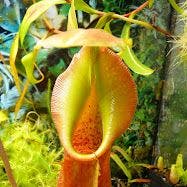
☕ How Tall Your Pitcher Plant Can Get
Nepenthes ampullaria
By the Greg Editorial Team
Oct 18, 2024•6 min read
This article was created with the help of AI so we can cover more plants for you. May contain errors. See one? Report it here.
Unlock the secrets to thriving pitcher plants by mastering their unique size and growth needs! 🌱✨
- 🌱 Pitcher plants vary in height from 12 inches to 5 feet, depending on species.
- 🌞 Optimal light and humidity are crucial for maximizing pitcher plant growth.
- ✂️ Regular pruning helps control size and encourages bushier growth in pitcher plants.
Mature Height and Spread
🌱 General Size Characteristics
Pitcher plants are fascinating in their diversity, with average heights ranging from 12 inches to an impressive 5 feet, depending on the species. Their spread can also vary significantly, from about 1 foot to several feet in diameter.
📏 Specific Species Dimensions
Nepenthes Height
Nepenthes, often known as tropical pitcher plants, can reach heights between 1 to 10 feet. Some notable species can grow up to 3 feet, showcasing their impressive climbing abilities.
Sarracenia Height
On the other hand, Sarracenia, or North American pitcher plants, typically grow to heights of 1 to 4 feet. Most notable species generally reach about 2 to 3 feet, making them a bit more compact than their Nepenthes cousins.
📊 Size Variability Among Species and Cultivars
The size of pitcher plants varies widely due to several factors. Genetic traits, environmental conditions, and cultivation practices all play crucial roles in determining how tall and wide these plants can grow.
Dwarf varieties, for example, are much smaller than giant varieties, illustrating the incredible range within this unique plant family. Understanding these differences can help you choose the right species for your space and gardening goals.
With this knowledge of height and spread, you can better appreciate the beauty and diversity of pitcher plants as we move on to explore their growth rates.
Growth Rate
Comparative Growth Rates 🌱
When it comes to growth rates, pitcher plants show distinct differences. Nepenthes typically exhibit a moderate to fast growth rate, often adding several inches each month under optimal conditions.
In contrast, Sarracenia tends to grow more slowly. This means it may take a bit longer to reach its mature dimensions, which can be a consideration for gardeners.
Factors Influencing Growth Rate 🌡️
The growth habits of these species play a crucial role in their development. Nepenthes are climbing plants, while Sarracenia grows upright, influencing how quickly they can reach their full size.
Environmental conditions also significantly impact growth rates. Factors like light, temperature, and humidity levels can either boost growth or slow it down, making it essential to create the right conditions for your plants.
Time to Reach Full Size
General Timeline 🌱
Pitcher plants typically take between 2 to 5 years to reach their full size. This timeline can vary significantly based on the species and the growing conditions they experience.
Factors Affecting Growth Duration ⏳
Optimal environmental conditions can speed up growth. Factors like light, temperature, and humidity play crucial roles in how quickly these fascinating plants mature.
Cultivation practices also impact growth duration. For instance, proper fertilization and choosing the right pot size can either enhance or hinder their development.
Understanding these elements can help you set realistic expectations for your pitcher plant's growth journey. With the right care, you can enjoy watching your plant thrive and reach its full potential.
As we explore the next section, we'll delve into how various growing conditions influence the size of your pitcher plant.
Influence of Growing Conditions
🌞 Impact of Light
Bright, indirect sunlight is the secret sauce for your pitcher plants. This optimal light condition encourages larger growth, making your plants thrive.
On the flip side, insufficient light can stunt their growth. Without enough brightness, you may notice smaller dimensions and less vibrant foliage.
🌱 Soil Type and Its Effect
When it comes to soil, pitcher plants prefer well-draining, acidic substrates. This type of soil enhances their growth and overall health.
Conversely, poor soil conditions can lead to reduced size and vitality. If your plants are struggling, it might be time to reassess their soil quality.
💧 Watering Practices
Consistent moisture is essential for optimal growth in pitcher plants. However, be cautious—overwatering can hinder their size and health.
Using distilled or rainwater is ideal for these unique plants. Tap water often contains minerals that can be harmful to them.
🌡️ Temperature and Humidity Effects
For tropical species, the ideal temperature range is between 70°F to 90°F (21°C to 32°C). Keeping them within this range promotes healthy growth.
Humidity levels also play a crucial role. High humidity, ideally between 50-70%, supports larger growth and keeps your plants looking lush and vibrant.
Understanding these growing conditions can significantly impact the size and health of your pitcher plants. With the right light, soil, water, and climate, you can cultivate a thriving collection that showcases their unique beauty.
Next, let’s explore how to control the size of your pitcher plants effectively.
Controlling Size
Pruning Techniques ✂️
To maintain a manageable size for your pitcher plant, regular pruning is essential. Cutting back stems and leaves encourages bushier growth, making your plant not only healthier but also more visually appealing.
Timing is crucial for effective pruning. Aim to do this during the growing season when the plant can recover quickly and thrive.
Other Methods to Control Growth 🌱
The size of your pitcher plant can also be influenced by pot size. Using smaller pots can restrict growth, keeping your plant more compact.
Additionally, environmental adjustments play a significant role. Modifying light and humidity levels can help control the size of your plant, ensuring it remains within your desired dimensions.
Signs Indicating the Need for Size Control 🚨
Watch for signs that your pitcher plant may need size control. Overcrowding is a clear indicator, as plants compete for space and resources.
Excessive height is another sign. If your plant becomes leggy or unbalanced, it’s time to take action to restore its shape and health.
By implementing these techniques, you can effectively manage the size of your pitcher plant, ensuring it remains a stunning addition to your collection. Next, let’s explore common misconceptions about pitcher plant sizes.
Common Misconceptions
🌱 Myths About Size
One common misconception is that all pitcher plants grow to the same height. In reality, size varies significantly among species and cultivars, with some reaching just a foot while others can tower over five feet.
📏 Clarifying Growth Expectations
Understanding the native habitats of these plants is crucial. Many pitcher plants thrive in wetlands and bogs, which heavily influence their growth patterns.
Realistic growth expectations are essential for successful cultivation. Factors like care and environmental conditions play a significant role in how large your pitcher plant can grow.
By recognizing these nuances, you can better appreciate the diversity and beauty of pitcher plants. This knowledge sets the stage for informed care and cultivation practices, ensuring your plants thrive in their unique ways.
As we explore further, let’s delve into how growing conditions impact the size of your pitcher plants.
⚠️ Safety First
This content is for general information and may contain errors, omissions, or outdated details. It is not medical, veterinary advice, or an endorsement of therapeutic claims.
Always consult a qualified healthcare professional before using any plant as food, medicine, or supplement.
Never eat any plant (or feed one to pets) without confirming its identity with at least two trusted sources.
If you suspect poisoning, call Poison Control (800) 222-1222, the Pet Poison Helpline (800) 213-6680, or your local emergency service immediately.
Spotted an error? Please report it here.
Unlock the full potential of your pitcher plants 🌿 with Greg's tailored care tips, ensuring they thrive in their ideal environment for stunning growth!