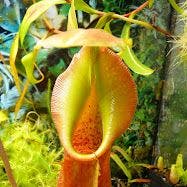
🍶 Pitcher Plant Hardiness Zones: 11a-12b
Nepenthes ampullaria
By the Greg Editorial Team
Oct 18, 2024•4 min read
This article was created with the help of AI so we can cover more plants for you. May contain errors. See one? Report it here.
Master the temperature secrets 🌡️ for thriving pitcher plants and transform your garden into a lush paradise!
- 🌡️ Pitcher plants thrive in zones 11a-12b, ideal for warmer climates.
- ❄️ Protect from frost; they tolerate down to 20°F but need warmth.
- 🌿 High humidity and acidic soil are essential for optimal growth.
Pitcher Plant Temperature Tolerance
❄️ Cold Tolerance Specifics
Pitcher plants can typically tolerate minimum temperatures down to 20°F (-6°C) for some species. However, they are sensitive to frost, necessitating protection during frost events to ensure their survival.
In suitable regions, the average first frost dates can significantly impact their growth. Knowing these dates helps gardeners prepare and protect their plants accordingly.
☀️ Heat Tolerance Specifics
On the warmer side, pitcher plants thrive in temperatures up to 95°F (35°C). Yet, high humidity levels are crucial for their optimal growth, making it essential to monitor moisture in their environment.
🌡️ Temperature Ranges for Optimal Growth
The ideal temperature range for pitcher plants is between 70°F to 85°F (21°C to 29°C). Fluctuations outside this range can adversely affect their growth and overall health, so maintaining stable conditions is key.
Understanding these temperature tolerances is vital for anyone looking to cultivate pitcher plants successfully. With the right conditions, these fascinating plants can flourish beautifully in your garden.
Ideal Growing Regions for Pitcher Plants
🌟 Examples of US States in Suitable Zones
When it comes to growing Pitcher Plants, certain states shine brighter than others.
- Florida boasts a warm, humid climate that is perfect for various Sarracenia species.
- Southern California offers suitable microclimates that support these unique plants.
- Texas has specific regions that meet both temperature and humidity requirements, making it a prime location for Pitcher Plant enthusiasts.
🌧️ Factors Contributing to Ideal Growing Conditions
High humidity levels are crucial for the survival of Pitcher Plants. These plants thrive in environments where moisture is abundant.
Soil type also plays a significant role. Pitcher Plants prefer acidic, nutrient-poor soils, which are typically found in wetland areas.
Understanding these factors can help you create the perfect environment for your Pitcher Plants, ensuring they flourish and thrive.
As we explore further, let’s dive into how microclimates can impact the growth of these fascinating plants.
Microclimates and Their Impact
🌡️ How Microclimates Can Extend Growing Zones
Microclimates are localized areas that experience different climate conditions than the surrounding regions. Structures like buildings, bodies of water, and dense vegetation can create these unique environments, providing warmer conditions that are perfect for Pitcher Plants.
For instance, a garden sheltered by a wall can retain heat, allowing these plants to thrive even when temperatures dip outside. Similarly, areas near water bodies often have moderated temperatures and increased humidity, which are beneficial for Pitcher Plant growth.
🏙️ Examples of Microclimates That Benefit Pitcher Plants
Urban areas often create heat islands, where concrete and asphalt absorb and retain heat. This phenomenon can extend the growing season for Pitcher Plants, making cities surprisingly suitable for these unique flora.
Additionally, regions near lakes or rivers tend to have higher humidity levels and more stable temperatures. These conditions are ideal for Pitcher Plants, allowing them to flourish in environments that might otherwise be too harsh.
Understanding how microclimates work can help you identify the best spots for cultivating these fascinating plants, ensuring they receive the warmth and moisture they need to thrive.
State-Level Suitability Analysis
🌱 List of US States Suitable for Pitcher Plants
Certain states shine as ideal habitats for Pitcher Plants. Florida, Texas, Southern California, Louisiana, and parts of Georgia boast the warm, humid climates these plants crave.
These regions offer the perfect blend of temperature and moisture, essential for thriving Pitcher Plants. The consistent warmth and high humidity levels create an environment where these unique plants can flourish.
❌ List of US States Not Suitable for Pitcher Plants
On the flip side, some northern states struggle to provide the necessary conditions. North Dakota, Montana, and Maine are among those where Pitcher Plants simply can't thrive.
The colder temperatures and extended frost periods in these areas make it nearly impossible for these plants to survive. Without the warmth and humidity they need, Pitcher Plants will find it challenging to grow.
🌡️ Reasons for Suitability or Unsuitability Based on Climate Factors
Understanding why certain states are suitable or unsuitable involves looking at key climate factors. Temperature ranges, frost dates, and humidity levels play crucial roles in determining where Pitcher Plants can thrive.
For instance, states with milder winters and shorter frost periods offer a more favorable environment. Additionally, as climate change progresses, we may see shifts in these patterns, potentially expanding or limiting the regions where Pitcher Plants can grow successfully.
This evolving landscape highlights the importance of staying informed about climate trends. By understanding these factors, you can better appreciate the unique needs of Pitcher Plants and their ideal growing conditions.
As we delve deeper into the nuances of Pitcher Plant cultivation, the next section will explore how microclimates can further enhance their growing potential.
⚠️ Safety First
This content is for general information and may contain errors, omissions, or outdated details. It is not medical, veterinary advice, or an endorsement of therapeutic claims.
Always consult a qualified healthcare professional before using any plant as food, medicine, or supplement.
Never eat any plant (or feed one to pets) without confirming its identity with at least two trusted sources.
If you suspect poisoning, call Poison Control (800) 222-1222, the Pet Poison Helpline (800) 213-6680, or your local emergency service immediately.
Spotted an error? Please report it here.
Unlock the secrets to thriving pitcher plants in your garden with Greg's customized care reminders 🌿, ensuring they enjoy the ideal warmth and humidity they crave!