Top 3 Signs Your Ampullaria Pitcher Plant Needs Pollination 🐝
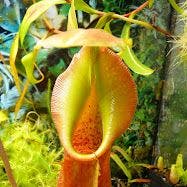
Nepenthes ampullaria
By the Greg Editorial Team
Oct 02, 2024•6 min read
This article was created with the help of AI so we can cover more plants for you. May contain errors. See one? Report it here.
Unlock the secrets of self and cross-pollination to boost plant survival and ecosystem health! 🌼🌱
- 🌼 Ampullaria pitcher plants can self-pollinate, ensuring reproduction even without pollinators.
- 🐝 Cross-pollination boosts genetic diversity, attracting bees and butterflies for better resilience.
- 🌈 Bright colors and fragrances of flowers lure pollinators, enhancing successful reproduction.
Self-Pollination vs. Cross-Pollination
🌱 Self-Pollination
Self-pollination is when a plant fertilizes itself using its own pollen. This process is fascinating because, while many plants primarily rely on cross-pollination, they can self-pollinate under certain conditions.
Self-pollination ensures reproduction, especially when pollinators are scarce. This adaptability can be a lifesaver for plants in challenging environments.
🌼 Cross-Pollination
Cross-pollination involves the transfer of pollen from one plant to another. This method is crucial for enhancing genetic diversity and resilience within plant populations.
Various pollinator species, including bees, butterflies, moths, and hummingbirds, play vital roles in this process. Their interactions not only facilitate reproduction but also contribute to the overall health of ecosystems.
Understanding these two methods of pollination can help you appreciate the intricate relationships between plants and their pollinators. This knowledge sets the stage for exploring the fascinating structure of flowers and how they facilitate these processes.
Flower Structure
Description of Flower Parts 🌸
The petals of the Ampullaria pitcher plant come in various shapes and colors, showcasing the diversity among different cultivars. These vibrant petals not only attract pollinators but also serve as a visual cue for their reproductive success.
The sepals form a protective outer layer, typically green and leaf-like, safeguarding the delicate inner parts of the flower. This structure is crucial for maintaining the integrity of the flower during its development.
The stamens are the male reproductive parts, responsible for producing pollen. Their role is vital, as pollen is the key to fertilization.
The pistils represent the female reproductive parts, designed to receive pollen for fertilization. Together, these components create a harmonious system for reproduction.
How Flower Structure Facilitates Pollination 🐝
The arrangement of flower parts is specifically designed to attract certain pollinators. This strategic positioning ensures that the right species visit the flowers, enhancing the chances of successful pollination.
Bright colors and sweet fragrances play a significant role in luring pollinators. These sensory elements create an inviting atmosphere, encouraging bees, butterflies, and other creatures to engage with the flowers.
Timing is also essential; flowering periods often coincide with peak pollinator activity. This synchronization maximizes the likelihood of pollination, ensuring that the plant can reproduce effectively.
Understanding the intricate flower structure of the Ampullaria pitcher plant not only highlights its beauty but also underscores the importance of pollination in its life cycle. This knowledge sets the stage for exploring the pollination process in greater detail.
Pollination Process
🌱 Mechanisms of Self-Pollination
Self-pollination occurs when a plant transfers pollen within the same flower. This efficient process ensures that even in the absence of pollinators, the plant can still reproduce.
The benefits of self-pollination extend beyond mere survival. It can lead to increased seed viability and quantity, providing a robust foundation for future generations.
🐝 Role of Pollinator Species in Cross-Pollination
Cross-pollination relies heavily on various pollinator species, each playing a unique role.
- Bees: These busy insects collect pollen and nectar, transferring pollen between flowers as they move.
- Butterflies: They land on flowers, brushing against stamens and pistils, facilitating pollen transfer.
- Moths: Attracted to night-blooming varieties, these nocturnal pollinators are essential for certain plants.
- Hummingbirds: Their quest for nectar not only nourishes them but also helps in moving pollen from one flower to another.
Understanding these interactions highlights the importance of maintaining healthy pollinator populations. Each species contributes to the genetic diversity and resilience of plants, ensuring a thriving ecosystem.
As we delve deeper into the intricacies of pollination, it’s crucial to recognize how we can support these vital pollinators in our gardens and communities.
Hand Pollination
Step-by-Step Instructions for Hand Pollination 🌼
Hand pollination can be a rewarding way to ensure your Ampullaria pitcher plant reproduces effectively. Follow these simple steps for success:
Identify Male and Female Flower Parts: Start by locating the stamens (male parts) and pistils (female parts) on your plant.
Collecting Pollen: Use a small brush or cotton swab to gather pollen from the stamens. This is a delicate process, so be gentle.
Transferring Pollen: Gently apply the collected pollen to the stigma of the pistil. This step is crucial for fertilization.
Timing: Perform this process during peak flowering periods for maximum effectiveness. Timing can significantly impact your success rate.
Identifying Male and Female Flower Parts 🔍
Understanding the visual characteristics of the flower parts is essential.
- Stamens: Typically longer and more prominent, they produce the pollen.
- Pistils: Usually located at the center, they are often thicker and shorter than the stamens.
Recognizing these differences will make your hand pollination efforts more effective.
With these steps, you can actively participate in the pollination process, ensuring your plant thrives. Next, let’s explore how to create a pollinator-friendly environment to support not just your plants, but the local ecosystem as well.
Supporting Pollinators
🌼 Creating a Pollinator-Friendly Environment
To support pollinators, start by planting native flowers. These plants are adapted to local conditions and attract a variety of pollinator species.
Providing water sources is also crucial. Shallow dishes or birdbaths can offer hydration, making your garden a welcoming spot for thirsty insects.
Avoiding pesticides is essential for protecting beneficial insects. Chemicals can harm pollinators, so opt for natural pest control methods whenever possible.
🌿 Companion Plants to Attract Pollinators
Consider adding companion plants to your garden. Marigolds are a fantastic choice; their bright colors draw in bees, ensuring your plants get the pollination they need.
Lavender is another excellent option. Its fragrant flowers are irresistible to butterflies and moths, adding beauty and life to your garden.
Lastly, bee balm is known for attracting a variety of pollinators. This vibrant plant not only enhances your garden's aesthetics but also supports a healthy ecosystem.
By creating a pollinator-friendly environment and choosing the right companion plants, you can significantly boost the health and productivity of your Ampullaria pitcher plant. Next, let's explore the common challenges faced during the pollination process and how to overcome them.
Pollination Challenges
Common Obstacles to Successful Pollination 🐝
Pollination can be hindered by various environmental factors. Temperature fluctuations and humidity levels significantly affect pollinator activity, making it crucial to understand these dynamics.
Additionally, the decline in local pollinator populations poses a serious challenge. Urbanization and habitat loss have led to fewer bees, butterflies, and other vital pollinators, which can disrupt the delicate balance of plant reproduction.
Solutions for Overcoming Pollination Challenges 🌼
Creating microhabitats can effectively support pollinator species. By planting diverse flora, you can attract a variety of pollinators, enhancing the chances of successful pollination.
Timing adjustments are also essential. Understanding seasonal variations in flowering and pollinator activity can help you optimize your plants' reproductive success.
Lastly, monitoring environmental conditions is key. Ensuring optimal humidity and temperature will not only benefit your plants but also create a welcoming environment for pollinators.
With these strategies, you can help mitigate the challenges of pollination and foster a thriving ecosystem for your Ampullaria pitcher plants. Next, let’s explore how to support pollinators effectively.
⚠️ Safety First
This content is for general information and may contain errors, omissions, or outdated details. It is not medical, veterinary advice, or an endorsement of therapeutic claims.
Always consult a qualified healthcare professional before using any plant as food, medicine, or supplement.
Never eat any plant (or feed one to pets) without confirming its identity with at least two trusted sources.
If you suspect poisoning, call Poison Control (800) 222-1222, the Pet Poison Helpline (800) 213-6680, or your local emergency service immediately.
Spotted an error? Please report it here.
Boost your Ampullaria pitcher plant's pollination success 🌱 by using Greg's personalized care tips to attract the right pollinators and create a flourishing garden!